
Americans pay slightly less taxes because they borrow trillions of dollars to cover their deficits and they also don’t have free healthcare. We have fiscal stability & top 5 standard of living.
No thanks, annoying orange!
3
16
Being well spoken matters nothing if what comes out of your mouth is garbage. That’s Vance nowadays.
2
Trump seems to be getting intelligence from the same people that told Putin Ukrainians would welcome them with flowers.
Literally nobody says this other than a very special small group of truck drivers still living in 2022.

2
3
48
0
⚡️State Department officials want to unfreeze US aid to Ukraine, Politico reports.
These exemptions would extend beyond the U.S. waiver for "life-saving" programs and would allow Ukraine to receive funding for demining and civil society projects.
kyivindependent.com/state-de…
28
137
5
609

Anton Gerashchenko retweeted
If Russia, which sees itself as an empire, will become a single country with Belarus and Ukraine, it will then go for Warsaw pact countries, Ukraine's Intelligence Chief Kyrylo Budanov said.
During Yalta European Strategy's special gathering "Three Years — Time to Win," he stated that "the empire that the current leadership of the Russian Federation is leaning toward is a model of the Soviet Union but with the Warsaw Pact countries."
"Let's imagine the worst-case scenario: three countries [Ukraine, Russia, and Belarus] united into a single country, even though this is almost impossible. Poland will be the next one. I am telling you this directly. And there is no need to be afraid of it, it is necessary to realize it. Then there will be the Czech Republic, Hungary, and Bulgaria. The Warsaw Pact countries are a minimum task if an empire is to be formed," Budanov said.

102
804
23
3,230
0
Liczba zestrzelonych rosyjskich środków napadu powietrznego przez siły ukraińskie ostatniej nocy.

5
11
141
A wonderful illustration in the cartoon of why Ukrainians are outraged by Trump's words and the logic of his proposals.
@realDonaldTrump @POTUS @generalkellogg @JDVance @SecRubio #Trump #UkraineWar


8
17
Minister obrony narodowej Władysław Kosiniak-Kamysz ogłosił, że Polska przygotowuje kolejny, 46. pakiet pomocy wojskowej dla Ukrainy o łącznej wartości ponad 200 mln euro.
150
30
4
971
Using nationalism to justify your lack of empathy. Very Christian of you. Caring for others is not exclusive to nationality ladyboy.
14
31
1
1,276
In Kharkiv, the Russians also struck a high-rise residential building.
It really feels like they are deliberately carrying out these terrorist attacks today of all days! And it wasn’t just one strike—there were multiple hits. Explosions have also been reported in neighboring Poltava.

1
3

⚡️'Military equipment and the right to fight on' — Trump on what US minerals deal gives Ukraine.
Trump said Zelensky would visit the White House on Feb. 28 to sign the deal. He also said the U.S. was open to a minerals deal with Russia.
kyivindependent.com/military…
92
70
9
264
Don’t buy the dips. They opened their mouth about tariffs again and the markets are tanking.
The business world knows it’s a stupid fucking idea.

8
3
45


Yes, I told whole story in reply to another comment. All true.
Trump finally had to relent still served Putin in adding destruction so that the weapons couldn't be used to hurt Russians.
9
In summer 2018, Trump witheld the javelins using it to pressure Zelensky to attack Biden, Zelensky refused, Trump got impeached over it, and Ukraine got the javs.
1
1
14
❗️Trump: "$350B, lots of military equipment, and the right to keep fighting," Trump responded to a journalist asking what Ukraine will get from the mineral deal. He is likely referring to what he thinks the US has already provided, claiming its $350 billion.
He added that the U.S. is not providing defense aid right now. Ukraine has enough weapons to reach a ceasefire, and Europe will have to take over future support.

173
126
32
721
0

Trump stated that the deal with Ukraine regarding rare earth metals could be worth more than $1 trillion.
You don’t actually think you’ll get this for free, do you? Yes, we weren’t extracting these resources before—oligarchs controlled the state and looted us, while we remained poor despite living in a rich country. But if you do gain access to them, don’t be selfish. Help us defeat Russia—not only on the battlefield but also on the internal front. Help us rid ourselves of the Russian system from within: corrupt politicians, officials, judges, oligarchs, the Russian language, Moscow's agents in politics, and the Moscow Patriarchate disguised as religion.
#Trump @realDonaldTrump @POTUS @generalkellogg

15
14
1
59
0
Jay in Kyiv retweeted

No one predicted that Ukraine would have to fight both Russian and American propaganda simultaneously
During my senate campaign in 2022, I met a Ukrainian-American man in NE Ohio. He was very angry about my views on the conflict, and my desire to bring it to a rapid close.
"You are trying to abandon my country, and I don't like it."
"Sir, I replied, "your country is the United States of America, and so is mine."
I always found it offensive that a new immigrant to our country would be willing to use the power and influence of their new nation to settle the ethnic rivalries of the old.
One of the most important parts of assimilation is seeing *your* country as the USA. It's part of the bargain: if you're welcomed into our national family, you ought to look out for the interests of the United States. I know many immigrants who have the right perspective, and I'm grateful to them. For example, I met many Ukrainian Americans during that campaign (and since) who agreed with my views, or at the very least, asked the right question: what is in the best interests of the United States?
53
432
9
3,682
Russian monitoring channels report that in Taman, Temryuk district, Krasnodar Krai a new wave of Ukrainian UAVs is approaching. Air defense activity is expected.
2
21
248
I Am Not a Journalist. I Am Something More.
People often call me a journalist. But I am not a journalist.
🖊 A journalist delivers facts. I deliver meaning.
🖊 A journalist writes about events. I write about what those events truly mean.
🖊 A journalist stands on the sidelines. I am inside this story.
I don’t just report the news. I share my thoughts, my analysis, my conclusions.
Yes, I have used formats that could be called journalistic. Yes, I have copied and pasted news alongside my own posts and articles because I live and breathe Ukraine. But this is not my path. I don’t want to be like others. I don’t want to be like everyone else.
And now, it’s time to say: I don’t want to just copy and paste news. 🙂
I don’t want to be the press or a journalist. I want to be myself!
I want to share my own perspective, to reflect on the news, to show how I understand it. I have already started doing this, but sometimes pure news still slipped through when there was too much information.
From now on, everything I post will come with my own commentary. There will be fewer news posts, but they will be more meaningful. I will choose only the most important stories, not everything like before. Even significant events will be left for an evening news recap, while throughout the day, I will focus on what truly resonates with me.
And, of course, I will continue writing my original articles.
💡 If you just want news – the internet is full of it.
💡 If you want to understand what’s behind those news stories – stay here.
I am not a journalist. I am more of a blogger, a writer, a voice of Ukraine – because I am Ukrainian and I live in Ukraine, not somewhere abroad!
I write what I think without censorship, without trying to please anyone, without propaganda – and that’s why many people dislike me, creating all sorts of conspiracy theories about me. 🙂
I strive to grow, and I invite you to join me in reaching a new level! 😉
📢 If you want even more of my insights, subscribe to my Patreon – the link is in my profile!
There, you’ll find:
✨ Exclusive articles that I don’t post on Twitter.
✨ Stories from my life for those who want to understand Ukraine on a deeper level.
✨ Practical advice for those who want to visit Ukraine. 😉
Let’s move forward together! 🚀💙💛

23
17
1
117
0


Remember when Trump reluctantly allowed Ukraine to have the Javelins in 2019, they added a clause that they couldn't be anywhere near the front? Yes, that was Trump.

Trump: "Look, Ukraine, I will say, they're very brave and they're good soldiers. But without the United States and its money and its military equipment, this war would have been over in a very short period of time. Like I was the one that gave the Javelins. You remember the famous Javelins? That was me, that wasn't Obama, it wasn't Biden, it wasn't anybody else. It was me. And they wiped out a lot of tanks with those Javelins.... That was a big deal at the time. ...Well, that was American equipment. Without American equipment, this war would have been over very quickly. And American money too. I mean, a lot of money"
17
156
1
493
I am yet to see the mineral rights agreement that the FT is reporting has been agreed upon and until I fully understand the detail I’m reluctant to comment. However, it appears there are no security guarantees.
If this betrayal comes to pass, what have these sacrifices been for?
@ZelenskyyUa

16
15
3
65
0
The best you personally can do is to spare a pizza and Starbucks a month and donate that money instead to Ukrainian military units. They need all the money they can get right now to buy equipment and supplies.
There is no black and white in the world - there are other colors. Trump did not always have today's rhetoric. At the beginning of the war, he advocated the full arming of Ukraine. I hope his mind will return to him ;)
1
Ukraine – A Nation That Always Came to Help, But When We Needed Help, We Fought Alone
Ukraine has repeatedly been an ally in major wars, helping other nations defend their freedom and participating in international military operations. However, every time war came to us, we found ourselves alone.
Below is a timeline of Ukraine’s key military alliances and operations.
🏹 Ukraine’s Alliances and Military Support Throughout History
⚔️ Alliance with the Grand Duchy of Lithuania and Poland (14th–17th centuries)
🔸 Ukrainian warriors fought in the wars of the Grand Duchy of Lithuania against Muscovy.
🔸 1514 – Battle of Orsha: A 30,000-strong Muscovite army was crushed, with a significant portion of the victorious troops being Ukrainian.
🔸 After the Union of Lublin (1569), Ukrainians became part of the Polish-Lithuanian Commonwealth’s army, fighting against the Ottoman Empire, Muscovy, and the Teutonic Order.
⚔️ Military Campaigns of the Zaporizhian Sich and Cossack Alliances
🔸 1621 – Battle of Khotyn: Cossacks saved Europe from Ottoman expansion, securing victory against Sultan Osman II.
🔸 Cossack alliances with the Crimean Khanate, especially under Ivan Vyhovsky, who, alongside the Tatars, defeated the Muscovite army at the Battle of Konotop (1659).
⚔️ Ukrainian Uprisings Against the Russian Empire & Support for Other Nations
🔸 1708 – Ivan Mazepa’s alliance with Sweden: An attempt to free Ukraine from Muscovite rule alongside Charles XII’s army.
🔸 Ukrainian support for Polish uprisings (1830, 1863): Many Ukrainians fought in Polish insurgent armies against Russia.
⚔️ Ukrainian People’s Republic and Its Alliances (1917–1921)
🔸 Alliance with Poland (1920) during the Kyiv Operation against the Bolsheviks.
🔸 Ukrainians in the Czechoslovak Legion, fighting against the Bolsheviks in Siberia.
🔸 Ukrainian Galician Army (UGA) fought alongside Polish forces in 1919 during the Polish-Soviet War.
⚔️ World War II and Ukrainians in Allied Forces
🔸 Over 7 million Ukrainians were mobilized into the Red Army (though this was forced conscription, not a voluntary alliance).
🔸 Ukrainians also served in the U.S., Canadian, and British armies, fighting for the anti-Hitler coalition.
🔸 The Ukrainian Insurgent Army (UPA) fought against both the Nazis and Soviet occupiers.
🌍 Ukraine’s Participation in International Military Operations After 1991
Ukraine participated in dozens of international military operations, helping other countries, yet when war came to us – we fought alone.
🇧🇦🇷🇸 Operations in Bosnia & Serbia (1990s)
🔹 Ukrainian peacekeepers participated in UN missions in Bosnia, Herzegovina, Kosovo, and Serbia.
🔹 Ukrainian military units helped stabilize the Balkans after the Yugoslav Wars.
🇮🇶 Iraq Campaign (2003–2008)
🔹 Ukrainian forces joined the U.S.-led coalition after the invasion of Iraq.
🔹 Over 5,000 Ukrainian troops served in Iraq; 18 were killed in action.
🇦🇫 NATO Mission in Afghanistan
🔹 Ukrainian soldiers were part of International Security Assistance Force (ISAF) under NATO command.
🔹 They specialized in mine clearance, logistics, and security operations.
🇸🇱🇱🇾🇱🇧 Other Peacekeeping Missions
🔹 Ukrainian contingents joined UN missions in Liberia, Sierra Leone, Lebanon, and Libya.
🔹 Ukrainian military medics provided humanitarian assistance in Sudan.
📢 Conclusion: We Always Came to Help – But No One Came for Us
Ukraine has fought on the side of its allies countless times, defending other nations. We fought as part of the Grand Duchy of Lithuania against Muscovy. We stopped Ottoman expansion into Europe. We helped Poland in its wars. And after 1991, we participated in every major NATO and UN military operation.
But when Ukraine needed help against Russia, no one sent troops, as we had done for others.
They send us weapons – but we fight alone.
They provide funding – but we pay with our lives.
Perhaps now the world will finally understand: Ukraine was never a burden to international security – it has always been its guarantor.
🇺🇦🇺🇦🇺🇦🇺🇦
📢 Want More Insights on Ukraine? Support My Work!
If you found this article informative and want to read more about Ukraine’s history, its role in global security, and untold facts, consider supporting me on Patreon!
🔹 Exclusive content you won’t find elsewhere
🔹 Deep analysis of current events
🔹 Forgotten stories from Ukraine’s past
📍 The link to my Patreon is in my profile! Join and help spread the truth about Ukraine. 💙💛
#Ukraine #UkraineWar #RussiaUkraineWar @realDonaldTrump @POTUS @NATO @SecRubio @generalkellogg @JDVance @elonmusk

1
7
1
31
Jay in Kyiv retweeted

🇪🇺🇺🇦 "Europe will be responsible for providing assistance to Ukraine in the future," — Trump
😳 Trump said he supports the idea of a deal with Russia on access to rare earth metals
❗️"I would like to buy minerals on Russian soil. I would like to make a deal to get access to Russian rare earth metals."

113
73
8
339
DUMP IT NOW & CUT YOUR LOSSES‼️
The people not buying the vehicles & cancelling purchases are not going to be changing their mind.

3
8
53
At this hour, Russian missiles and drones are attacking all across the Ukraine, slamming into homes and apartment buildings, purely aimed at the civilian population and it's EVERY night, for around 9 hours.
This while the US sides with Russia on even the smallest details, pushing Russian propaganda, voting with Russia and North Korea at the UN, aiming to drop Russian sanctions.
Ukraine used to be the most pro-anerican nation in Europe.
118
1,197
43
3,442
❗️Trump said he supports the idea of a deal with Russia on access to rare earth metals, — Reuters.
— I would like to buy minerals on Russian soil. I would like to make a deal to get access to Russian rare earth metals,” the US president said.

73
55
5
179
Moscow celebrates Maslenitsa (loosely resembling Shrovetide), people eat blinis and caviar.
At the same time, it attacks Kyiv and other Ukrainian cities.
The protests in Russia have been suppressed completely. There is no opposition. Millions of Russians turned into blood- and death-thirsty monsters.
For three years now, these millions of people have been justifying the war or pretending it doesn't exist. Ukrainian deaths, grief and suffering do not keep them from thriving.

38
139
4
523
So, Trump is going to let Putin decide if/how/where western troops are deployed in Ukraine while Russia builds up their war machine for the larger war against Europe.
Trump is Putin's dog.
🇺🇸🤔 Trump: The presence of peacekeeping troops in Ukraine should be in a form acceptable to all parties.
▪️The lifting of sanctions on Russia will be on the table at some point.
▪️The US is interested in Russian rare earth minerals.

17
55
2
312
❗️Trump and his extreme statements:
▪️We are almost done with our rare earths deal.
▪️The presence of peacekeeping troops in Ukraine should be in a form acceptable to all parties.
▪️Removing sanctions on Russia will be on the table at some point.
▪️The US is interested in Russian rare earth minerals.
📹Trump looks very happy when he looks at a map with the American Gulf.

130
81
6
307
0
🇺🇸🤔 Trump: The presence of peacekeeping troops in Ukraine should be in a form acceptable to all parties.
▪️The lifting of sanctions on Russia will be on the table at some point.
▪️The US is interested in Russian rare earth minerals.
35
21
4
116
Jay in Kyiv retweeted

JD Vance just referred to the russian invasion of Ukraine as an 'ethnic rivalry.'
The so-called 'ethnic rivalry' entails dozens of towns and villages being razed to the ground. People under occupation are executed for being Ukrainian and buried in mass graves. Tens of thousands of children have been kidnapped, rape and torture are used as weapons of war, everything is looted down to the bare walls, entire ecosystems are being destroyed, and so much more devastation is inflicted by russia upon a country that is only guilty of existing next to russia.

551
1,301
54
5,794
🚨 Trump: Lifting sanctions on Russia “will be on the table at some point.” He also stated that the U.S. is close to finalizing a rare earth minerals deal and that peacekeeping forces in Ukraine must be “acceptable to all sides.” Sources say Zelensky is set to travel to Washington on Friday to meet Trump.
news.sky.com/story/trump-put…

26
42
2
251
🇷🇺💥 Russia just struck a residential building in Kyiv.
But sure, let’s keep talking about negotiations with terrorists, right? 😡
#RussiaIsATerroristState

12
45
2
113
0
📊 Dynamics of Occupied Ukrainian Territory Throughout 2024
The figures account for losses within Ukraine’s internationally recognized borders, meaning the Kursk region is not included in this calculation.
As seen in the trend, the upward trajectory began in June and peaked in November, when Russia occupied 725 km² in a single month—representing 22% of all territorial gains made throughout the year.

2
5
❗️Russian channels report that temporarily occupied Crimea is being attacked on a large scale by 🇺🇦UAVs

19
136
5
580
🇮🇹🇵🇹🇪🇸 Italy, Portugal, and Spain are not (yet) supporting the €20 billion military aid package for Ukraine, — Politico. The countries insist that aid to Ukraine should be considered alongside broader European defense funding issues.
politico.eu/newsletter/bruss…

22
56
3
250
𝔗𝔯𝔲𝔱𝔥 𝔐𝔞𝔱𝔱𝔢𝔯𝔰 retweeted

Someone needs to do forensic accounting to determine whether Putin paid off Trump’s $300M debt to Deutschebank.
1
31
67
The 25/02/25 SitRep on Ukraine is ready: threadreaderapp.com/thread/1…
Support Independent Reporting on Ukraine 🇺🇦📰
For nearly three years, NOELREPORTS has been delivering daily, reliable updates on the war in Ukraine—bringing you the truth in uncertain times.
Your support helps us continue this vital work. With your contributions, we invest in better tools, equipment, and resources to improve our reporting.
🔹 Join us as a monthly supporter: patreon.com/NOELREPORTS
🔹 Make a one-time donation: buymeacoffee.com/noelreports
Every contribution—big or small—makes a real impact. We’re incredibly grateful to those who have already joined us.
Thank you for standing with us and with Ukraine.
— NOEL & Team

6
1
72
That was it. Thanks for reading!
Support Independent Reporting on Ukraine 🇺🇦📰
For nearly three years, NOELREPORTS has been delivering daily, reliable updates on the war in Ukraine—bringing you the truth in uncertain times.
Your support helps us continue this vital work. With your contributions, we invest in better tools, equipment, and resources to improve our reporting.
🔹 Join us as a monthly supporter: patreon.com/NOELREPORTS
🔹 Make a one-time donation: buymeacoffee.com/noelreports
Every contribution—big or small—makes a real impact. We’re incredibly grateful to those who have already joined us.
Thank you for standing with us and with Ukraine.
— NOEL & Team

2
100
Toretsk direction
In recent counterattacks -reportedly exploiting Russian rotation-, the AFU managed to push back Russian forces coming from the area near Krymske, all the way to the center of Toretsk. The advance could be deeper, but this still needs to be confirmed.

1
23
1
225
Kursk region.
After briefly taking back initiative in the area near Pogrebki, Russian forces now managed to grab a foothold and recaptured it from Ukrainian forces. The fighting is still ongoing, but momentum in this particular area shifted to Russia.

1
8
87
To the front line situation. For the latest state of affairs at the front, I advise you to consult my interactive map.
You can find it at noelreports.com. The map is always accesible and is updated daily.
1
2
56
According to Russian media, Russia and The US are also in talks for 'business opportunities'. How tables have turned. From sanctioning a country led by a sought war criminal to doing business with these thugs.
Russia’s government is reportedly ready to supply the U.S. with 650 million tons of rare earth metals, according to Russian media. This information is still unconfirmed.

3
13
111
Poland is preparing a new military aid package.
🇵🇱 Poland is preparing its 46th military aid package for Ukraine worth €200M, says Defence Minister Władysław Kosiniak-Kamysz. Poland has trained 28,000 Ukrainian soldiers—about a third of all trained by the EU.
"We are a leader in military support and will continue to help."

1
8
126
The UK is really stepping up to support Ukraine in difficult times.
⚡️Britain will gather European leaders to discuss Ukraine and defense issues, according to Bloomberg. The meeting could take place on March 2.
bloomberg.com/news/articles/…
1
8
121
Poland will supply Ukraine with another 5000 StarLink terminals.
⚡️🇵🇱 Poland will provide Ukraine with more Starlink terminals. An additional 5,000 terminals have already been ordered, according to Poland's Minister of Digital Affairs Krzysztof Gawkowski.
pb.pl/polska-uzyczy-wiecej-s…
1
7
132
Main players in Europe still lack the will to transfer frozen Russian assets to Ukraine.
Countries opposing the transfer of Russian assets to Ukraine, fearing a loss of influence, include France, Germany, Italy, Spain, and the EU Commission President. Meanwhile, Baltic states, Northern Europe, Poland, and Czechia urge the immediate transfer of funds to Ukraine.
politico.eu/article/eu-ukrai…

1
8
99
Zelensky showed the power of the Ukrainian domestic defense industry to EU-leaders.
🇺🇦🇪🇺 Zelensky showed Ukrainian defense industry products to partner nations' leaders, highlighting drones, UAVs, robotic platforms, EW systems, communication tools, and more used by the Armed Forces on the front lines. These innovations are actively protecting Ukraine.

1
6
126
Germany will produce 370.000 artillery shells for Ukraine this year.
🇩🇪 Germany to send 370,000 artillery shells to Ukraine in 2025. Major General Christian Freuding confirmed the increase of 30,000 shells compared to 2024. Six RCH 155 howitzers will also arrive this year, with training already underway. Additionally, Germany will train 10,000 Ukrainian troops, from medics to snipers.
bundeswehr.de/de/aktuelles/m…

1
9
1
141
Canada imposed new sanctions on Russia.
🇨🇦 Canada imposes new sanctions on Russia. 76 individuals & entities linked to Russia’s military-industrial complex, deportation of Ukrainian children, propaganda operations, top officials, and oligarchs close to Putin are now sanctioned.
pm.gc.ca/en/news/news-releas…
1
8
126
According to WSJ, Ukraine has weapons to fight at least until the summer.
❗️ Without U.S. military aid, Ukraine has enough weapons to fight at its current pace until summer — WSJ writes. European partners aim to fill the gap, while Ukraine currently supplies itself with about 55% of its needed weaponry.
wsj.com/world/europe/without…
2
7
113
Earlier today, news emerged that the EU would have offered Ukraine its own rare minerals deal, but later this news was refuted.
❗️🇪🇺 The EU has offered Ukraine its own deal on rare earth materials, said European Commissioner Séjourné.
“Ukraine can supply 21 out of 30 critical materials Europe needs. The added value of our offer—we won’t demand a mutually beneficial agreement,”
politico.eu/article/critical…
1
4
85
Lets continue with the general events. The White House confirmed Zelensky and Trump will be meeting soon.
“Trump’s meetings with Putin and Zelensky will happen very soon, especially with Zelensky,” said White House press secretary Karoline Leavitt.
“He wants to finalize a rare earth metals deal quickly and expects Zelensky to sign it. Ukraine wouldn’t exist as a country without us,” she stated.
foxnews.com/video/6369283669…

2
2
80
At night, a large missile and drone attack was repelled.
On the night of Feb 25, Ukraine's Air Force intercepted 6 out of 7 Kh-101 cruise missiles & 133 out of 213 Russian UAVs. 79 drones were lost without causing damage. The attack targeted several regions including Kyiv & Zhytomyr. The response involved aviation, air defense, and electronic warfare units.

1
10
136
Ukraine destroyed a Russian S-300V launcher and installed a drone to watch the aftermath.
On the Zaporizhzhia front, Ukraine likely used a bomber drone to destroy a Russian S-300V launcher deep behind Russian lines. After the strike they calmly landed the drone, and watched as the system burned— while two occupiers tried to put down the fire.

2
8
161
Missed yesterday's SitRep? Check it out here
The 24/02/25 SitRep on Ukraine is ready: threadreaderapp.com/thread/1…
Support Independent Reporting on Ukraine 🇺🇦📰
For nearly three years, NOELREPORTS has been delivering daily, reliable updates on the war in Ukraine—bringing you the truth in uncertain times.
Your support helps us continue this vital work. With your contributions, we invest in better tools, equipment, and resources to improve our reporting.
🔹 Join us as a monthly supporter: patreon.com/NOELREPORTS
🔹 Make a one-time donation: buymeacoffee.com/noelreports
Every contribution—big or small—makes a real impact. We’re incredibly grateful to those who have already joined us.
Thank you for standing with us and with Ukraine.
— NOEL & Team

1
3
56
SitRep - 25/02/25 - Ukraine & US reportedly really close on signing a deal on earth minerals.
An overview of the daily events in Russia's invasion of Ukraine. Based on various media, a deal between Ukraine and US about rare earth minerals is done.
REPOST=appreciated
1/X


13
131
513
🪖MilitaryNewsUA🇺🇦 retweeted
❗️🇳🇴Norwegian NASAMS air defense system shot down 900 targets in 🇺🇦Ukraine. The effectiveness of the complex was 94%

289
2,829
82
21,802
During my senate campaign in 2022, I met a Ukrainian-American man in NE Ohio. He was very angry about my views on the conflict, and my desire to bring it to a rapid close.
"You are trying to abandon my country, and I don't like it."
"Sir, I replied, "your country is the United States of America, and so is mine."
I always found it offensive that a new immigrant to our country would be willing to use the power and influence of their new nation to settle the ethnic rivalries of the old.
One of the most important parts of assimilation is seeing *your* country as the USA. It's part of the bargain: if you're welcomed into our national family, you ought to look out for the interests of the United States. I know many immigrants who have the right perspective, and I'm grateful to them. For example, I met many Ukrainian Americans during that campaign (and since) who agreed with my views, or at the very least, asked the right question: what is in the best interests of the United States?
1
7
1
36
Explosions reported near Tamanskii, Krasnodar Krai near the Kerch Bridge. Russian air defense is reportedly operating.
5
19
228
I respectfully disagree, I am not in the habit of publishing disinformation here. It has been fact checked and is accurate.
10
5
77
Here’s a quick military analysis of where we are right now. From my go to guy Chad Scott.
🎥 TikTok - @cpscott15

2
33
2
94
0
Jay in Kyiv retweeted

NEW!!! U.S. @McCainInstitute: Ukraine deserves a just and lasting peace which can only be achieved through the following steps 👇👇

4
89
2
249
Russian monitoring channels report about the launch of FPV drones from Ukrainian naval drones. In recent months, we have seen some reports of Ukrainian naval drones doing the same, aiming for air defense systems located near the Crimean coastline.
3
14
3
211
MC Petya & Lil Klef – Sport is Power
MC Petya is a legendary Ukrainian meme personality. He first became famous after auditioning for Ukraine’s Got Talent, where he attempted to perform hip-hop, breakdance, and other styles—without knowing how to dance at all. His performance made everyone laugh, and when he asked for a second chance as a rapper, it was even funnier! 😂
He quickly became an internet sensation, later making motivational videos that were both inspiring and unintentionally hilarious. Over time, he became part of a comedy crew in Lviv, producing professional music videos and even hosting a YouTube show.
Since the beginning of the full-scale war, MC Petya has joined the Ukrainian Armed Forces. 💪🇺🇦
Lyrics Translation:
[Chorus – Lil Klef]
Sport is power! (Yeah) Alcohol is a grave! (A grave!)
Sport is power! (Yeah) Alcohol is a grave! (Oh yeah!)
Sport is power! (Oh yeah) Alcohol is a grave!
Sport is power! (Lil Klef) Alcohol is a grave! (Let’s go!)
Sport is power! Alcohol is a grave!
Sport is power! (Let’s go!) Alcohol is a grave!
Sport is power! (Oh yeah) Alcohol is a grave!
Sport is power! (Oh yeah) Alcohol is a grave! (Yeah!)
[Verse 1 – Lil Klef]
Sport is power!
I’m pulling up in the block
And you know I’ve been eating
This and Nutella.
Yo girl, you’re perfect,
You’re the pretty Cinderella.
I can make you mine,
Come under my umbrella.
Ride me till I die,
That’s the only thing I told her.
Look at the way (way),
I’m with the homies,
And the homies are running the way.
I’ve been riding and riding
And making the cash,
And the homies are pulling the waves.
You know what I say,
What I say is what I do (Aaaah).
I do it my way,
And my way is how we gon' do it, yeah.
I’m with the squad,
I’m building my packs,
And I’m smoking this sh*t on the road (road).
Some guys are drinking and drinking,
No stopping—
Can you take a piss on the road (road)?
You wanna know me now (yeah),
You wanna ride with me (woah),
You wanna f*ck with me?
I know some guys
Who would die for me.
[Chorus – Lil Klef]
(Repeated)
[Verse 2 – MC Petya & Lil Klef]
MC Petya on the beat (on the beat!)
MC Petya’s got wings (like a bird!)
MC Petya doesn’t drink (doesn’t drink!)
He doesn’t consume alcohol (no way!)
American and Ukraina (Ukraina!)
My song is fire (fire!)
My house is clean (clean!)
Your country is far (far!)
Motivation gives life,
Philosophy is insanely wise.
My house is tidy,
And now begins the hunt!
For drug dealers, for alcoholics,
For Revo drink distributors. (Revo!)
Those who hide stash in the bushes—
We don’t need them in Lviv! (No way!)
I stand for a healthy lifestyle,
There’s no need for alcohol in life.
Power is in sport—together, we are strong!
And for alcohol—it's a grave!
[Chorus – Lil Klef]
(Repeated)

1
1
0
Ukrainian UAVs are heading from the Sea of Azov toward occupied Crimea, Krasnodar Krai, and southern Rostov Oblast. Loud explosions are heard, Russian air defense is active.
3
13
1
157


Russian monitoring channels report that more than 50 Ukrainian drones have already entered occupied Crimea territory. They add that new drone launches have started from Odesa region.
2
25
2
197
While Ukrainian drones are flying over occupied Crimea, Russia launched drones into Ukraine. Reportedly one drone hit a residential building in Kyiv.

10
76
2
436
0
And yet they are the top contributor to Ukraine by GDP at 2.7% US comes in at 0.9%
Denmark is a strong NATO Ally and a reliable contributor to multinational stability operations, as well as to international assistance initiatives. Denmark has forces deployed worldwide to several NATO missions, UN peacekeeping operations, and the Global Coalition to Defeat ISIS
Be nice if you checked your facts before posting what you thought was a witty retort.
2
12
Near Saki Airfield, explosions are heard. Meanwhile, Russian channels also report the threat of Ukrainian naval drones.
1
19
145
Ukrainian drones over Krasnohvardiis'kyi district in occupied Crimea. A mass UAV raid is underway.

2
12
1
158
0

𝔗𝔯𝔲𝔱𝔥 𝔐𝔞𝔱𝔱𝔢𝔯𝔰 retweeted
#Resist #CombatTrumpism #WinTheVote26 #VoteBlue #wtpBLUE WE THE PEOPLE wtp2634
In what is being called a huge shake up at MSNBC, Joy Reid - the popular anchor on The Reid Out - is being let go after tonight's show. Her slot will be replaced by the trio that hosts The Weekend: Symone Sanders Townsend, Michael Steele, and Alicia Menendez. Reid is a trail blazer, so hopefully another network will pick her up.

17
131
3
148
𝔗𝔯𝔲𝔱𝔥 𝔐𝔞𝔱𝔱𝔢𝔯𝔰 retweeted
#Resist #CombatTrumpism #WinTheVote26 #VoteBlue #wtpBLUE WE THE PEOPLE wtp2633
The United States voted with Russia against a U.N. Resolution condemning Russian aggression in Ukraine. Germany’s incoming chancellor Friedrich Merz is right. America has abandoned its allies and Trump is subservient to Putin. Merz said: “And for me, the absolute priority will be to strengthen Europe as quickly as possible so that we step by step also truly achieve independence from the USA. I would not have believed that I would have to say something like this on a TV program, but after last week's statements by Donald Trump, it's clear that the Americans, at least this part of the American government, are largely indifferent to Europe's fate.”
Merz also says that Musk's and Washington’s interventions in the German elections "were no less dramatic and drastic and ultimately brazen than the interventions we had from Moscow."
Merz also stated: "Europe may need its own military alliance instead of NATO. Germany can no longer rely on the protection of the "nuclear umbrella" of the American military.
Everything Trump touches dies #ETTD

20
130
153
𝔗𝔯𝔲𝔱𝔥 𝔐𝔞𝔱𝔱𝔢𝔯𝔰 retweeted
#Resist #CombatTrumpism #WinTheVote26 #VoteBlue #wtpBLUE WE THE PEOPLE wtp2632
God help us, Donald Trump just named Dan Bongino to be the Deputy Director of the FBI. Bongino is a far-right MAGA podcaster that has only one goal in life and that is to 'own the libs.' He is a notorious conspiracy theorist who promoted the 'Big Lie' that the 2020 election was stolen.

17
124
1
119
𝔗𝔯𝔲𝔱𝔥 𝔐𝔞𝔱𝔱𝔢𝔯𝔰 retweeted
#Resist #CombatTrumpism #WinTheVote26 #VoteBlue #wtpBLUE WE THE PEOPLE wtp2631
House Republicans have released their budget resolution out of committee and it calls for a whooping $4.5 trillion in tax cuts for the ultra-wealthy and billionaires. It also calls for $2 trillion in cuts to spending on Medicaid and SNAP. With a slim majority, can they unify and pass this? We will see.

16
143
3
138
𝔗𝔯𝔲𝔱𝔥 𝔐𝔞𝔱𝔱𝔢𝔯𝔰 retweeted
#Resistir #CombatirElTrumpismo #GanarElVoto26 #VotaAzul #wtpBLUE NOSOTROS, EL PUEBLO
Los Republicanos en el Senado aprobaron una resolución presupuestaria la semana pasada después de una sesión de votación maratónica que duró toda la noche, también conocida como vote-a-rama. Los Demócratas utilizaron el voto para tratar de forzar votaciones para evitar los recortes de impuestos para los multimillonarios y los ultra ricos, pero cada enmienda Demócrata fue bloqueada por los Republicanos.

4
120
2
116
𝔗𝔯𝔲𝔱𝔥 𝔐𝔞𝔱𝔱𝔢𝔯𝔰 retweeted
#Resist #CombatTrumpism #WinTheVote26 #VoteBlue #wtpBLUE WE THE PEOPLE
Republicans in the Senate passed a budget resolution last week after an all night marathon voting session also known as a vote-a-rama. Democrats used vote-a-rama to try to force votes on preventing tax cuts for billionaires and the ultra-wealthy, but every Democratic amendment was blocked by Republicans.

14
138
1
134
⚡️Macron wins no security guarantees from Trump on peacekeepers plan, FT reports.
There is "no definitive agreement" as to how the U.S. will provide security assurances for peacekeeping forces in Ukraine, a French official said.
kyivindependent.com/macron-w…
26
91
6
274
𝔗𝔯𝔲𝔱𝔥 𝔐𝔞𝔱𝔱𝔢𝔯𝔰 retweeted
Nothing owns us Libs harder than commercial airplanes colliding in the sky, landing upside down or aborting landings altogether so they don’t collide with other airplanes on the ground.
Nothing.
306
382
12
2,708
𝔗𝔯𝔲𝔱𝔥 𝔐𝔞𝔱𝔱𝔢𝔯𝔰 retweeted
BREAKING: Karoline Leavitt appears to confirm Washington Post reporting that the Trump administration is treating immigrants at Guantanamo Bay like shackled, caged animals.
When asked about reports that immigrants are "rarely let outside, were shackled in place in what they describe as cages, and alleged they were not treated like human beings," Leavitt simply responded: "It's a promise the president campaigned on."
She then falsely claimed that all immigrants at Guantanamo Bay are violent criminals—a blatant lie. Government documents and statements from U.S. officials confirm that 'low-risk' migrants are being housed at Guantanamo’s Migrant Operations Center.
Trump is a monster!

654
2,259
154
4,793
0
According to Russian channels, Ukrainian drones are flying in the direction of the Kerch Bridge.
5
23
1
272


Natürlich hat Pistorius als Verteidigungsminister den Vertragsabschluss angestoßen und vereinbaren lassen.
1
𝔗𝔯𝔲𝔱𝔥 𝔐𝔞𝔱𝔱𝔢𝔯𝔰 retweeted

Question: “Can you tell us who the administrator of DOGE is?"
Leavitt: "I'm not going to reveal the name of that individual from this podium."
What???
 Acyn
Acyn

1,621
3,618
376
25,191
0
Russians proudly hung portraits of dead Hezbollah leader Nasrallah and other Hezbollah members on a fake T-14 Armata tank (mock-up on the MT-LB chassis). Most likely somewhere on military training grounds in Russia.

28
115
16
796

𝔗𝔯𝔲𝔱𝔥 𝔐𝔞𝔱𝔱𝔢𝔯𝔰 retweeted

🚨 Trump’s Plan to Sell Off Public Lands 🚨
Trump just signed an executive order to create a Sovereign Wealth Fund — and he wants to pay for it by selling off America’s public lands.
This means:
🔴 National parks, forests, and wildlife areas could be sold to the highest bidder.
🔴 Rural communities lose tourism, hunting, and recreation income.
🔴 Private companies get control over public resources.
🔴 Environmental damage from unchecked exploitation.
This isn’t about paying down debt. It’s about privatizing public lands for profit.
Public lands belong to ALL Americans, not just the wealthy.
#NationalParks

1,671
7,343
890
13,878
Anton Gerashchenko retweeted

“If aggression is justified and a victim is blamed for its resilience and will to survive, then no country is safe.” – my statement at the UN General Assembly @UN #StopRussia #StandWithUkraine
 Maria Drutska 🇺🇦

28
245
11
1,181
0
🇺🇸 A bipartisan group in the U.S. House of Representatives has expressed support for Ukraine.
In a joint statement, lawmakers stressed that Putin must not succeed, and Russia must face a decisive strategic defeat.
Rep. Marcy Kaptur (D): "Freedom lovers bow in awe before Ukraine’s brave, long-suffering people. We see their fight for freedom."

75
979
29
5,187
0
❗️Zelensky plans to visit Washington on Friday to meet with US President Trump, Reuters reported.

14
56
3
298
Mitten in der Taurusblockade des Bundeskanzlers hatte MBDA Deutschland schon mit ähnlichen Aussagen die Situation noch einmal angeheizt.
Merz (oder eher gesagt die Union) – der sich immer für eine Taurus-Lieferung starkgemacht hatte – hat die Wahl gerade einmal vor zwei Tagen gewonnen, und zufälligerweise veröffentlicht man genau jetzt eine solche überraschende Erinnerung, dass vor zwei Monaten ein Vertrag zur Überholung und Modernisierung der Taurus KEPD-350 in Bundeswehrbeständen vertraglich vereinbart wurde?
Ein Schelm, wer Böses dabei denkt :b
1
The victory of the conservative Christian Democratic Union (CDU) led by Friedrich Merz was met with relief in Ukraine. Merz's likely coalition with the Social Democratic Party (SPD) is sure to maintain Berlin's pro-Kyiv trajectory.
kyivindependent.com/taurus-m…
10
89
1
570
Ukraine has reached an agreement with the U.S. on a minerals deal, Ukraine’s deputy prime minister and justice minister told the Financial Times on Feb. 25.
The presidential office confirmed to the Kyiv Independent that an agreement has been reached.
kyivindependent.com/ukraine-…
87
103
13
323
🚋 Lviv from the Window of Tram No. 6: From the Train Station to Pidzamche! Unique Sights of the City! [4K]
#Ukraine #Ukrainians

1
7
53
0
🪖MilitaryNewsUA🇺🇦 retweeted
❗️🇩🇪Rheinmetall plans to convert two of its car plants in Germany into military production — Reuters

271
1,781
132
17,440
Sometimes they have to (sadly). But I agree, using the drone comparison is not very good. More than 1000 air defence interceptors (especially with more than 300 Patriot ones) are very good.


2
Jay in Kyiv retweeted

The heartbreak
Trump wants us to believe that USAID is bankrupting America—when in reality, it’s less than 1% of the federal budget.
Meanwhile, Elon Musk—the richest man on Earth—is gutting the world’s largest provider of food aid. This is a man who could end world hunger single-handedly and still be the richest man alive. But he won’t.
We are watching evil at work.

10,086
9,706
577
36,554
0
Jay in Kyiv retweeted

The United States now playing the role that communist satellite states once played in the UN: sponsoring resolutions in its own name but on behalf of Moscow.
379
3,018
91
11,487
Russian forces have ramped up attacks on Ukraine’s logistic networks in Kursk Oblast, further hampering the Ukrainian effort to hold on to the Russian territory it controls ahead of potential peace talks, sources told the Kyiv Independent.
kyivindependent.com/russia-t…
5
50
1
157
❗️The actual value of U.S. military aid to Ukraine is $18.3 billion, not the $60+ billion claimed in Washington, according to EFU.
The reason? Overinflated estimates of outdated American equipment. econ4ua.org/aid-value/
3
59
2
205
Jay in Kyiv retweeted

JD Vance on his meeting with Zelensky:
I tried to politely but firmly point out to him that the war needed to be ended as soon as possible. But he clearly didn't understand that. @clashreport

113
42
6
203
Jay in Kyiv retweeted

Ukrainians laugh bitterly describing the current situation: 450 million-strong Europe depends on military backing of 340 million-strong US, which bows to 140 million-strong Russia, which is being held in check by 40 million-strong Ukraine.
179
2,188
80
9,082
Ukraine could be the heart of NATO, assuring that no one ever dreamed of attacking them, if NATO would stop bowing to a filthy Moscow dictator.
🚀🦅🇺🇦 Ukrainian defense industry enterprises plan to produce about 3,000 cruise missiles and missile-drones in 2025, as well as at least 30,000 long-range drones.
Read more 👀👇
theukrainianreview.info/big-…
11
107
534

One Ukrainian startup has rebuilt the humble walkie-talkie to weather the waves of modern electronic war with Russia. With thousands of Ukrainian soldiers already using their handheld comms devices, NATO is tuning in.
kyivindependent.com/dont-try…
7
151
2
635
Yesterday, Russia saw a joint march of Ukrainians and Poles and decided to try to start a fight again, using its own agents in Poland. By the way, there is a response to this policy from the mayor of Lviv.
Lviv Mayor Andriy Sadovyi suggested that pro-Russian Polish politician Sławomir Mentzen should show real courage by recording a similar video near the Donetsk stela instead of making provocative statements in Lviv.
💬 "He can go to the front and share his thoughts, especially with Polish volunteers fighting for Ukraine. I also have information that he is officially banned from entering Ukraine—it’s worth checking."
🧐 This comment was a response to a video where Sławomir Mentzen, the leader of the Polish far-right "Confederation" party, visited Lviv and recorded a video near the monument to Stepan Bandera, calling him a terrorist.
❗️ The irony is obvious. He comes to another country, in the middle of war, stands by a monument to a national hero, and makes a provocative statement that echoes Russian propaganda. It would be much more relevant and "brave" for him to make such a video in front of Ukrainian soldiers on the front line, where Polish volunteers are also fighting against Russia.
This is nothing more than a cheap provocation from a politician whose party already blocked aid to Ukraine by obstructing border crossings with Russian flags.

1
I am outraged that Russian lies about the UPA, Bandera, and other heroes are being spread in Poland.
1
1
UKRAINE DAILY REVIEW: Key Events & Analysis
📅 February 25, 2025
📍 Today's key events and insights from Ukraine.
🇺🇦🇺🇦🇺🇦🇺🇦🇺🇦🇺🇦🇺🇦
🛡️ Military News
🔹 Ukraine’s Defense Forces pushed the enemy out of Uspenivka. Meanwhile, Russia occupied the village of Zaporizhzhia (Donetsk region) and advanced near Skudne and Novoocheretuvate.
📌 Note: This is not the major city of Zaporizhzhia, but a small village in Donetsk region. The main city of Zaporizhzhia is in Zaporizhzhia Oblast.
💥 Russian Terror
🔹 Massive overnight attack on Ukraine. Russia launched 213 Shahed drones and seven Kh-101 cruise missiles from Tu-95MS strategic bombers. The attack targeted Kyiv, Zhytomyr, and Sumy regions, damaging residential buildings.
📌 Noticeable reduction in the number of missiles in mass bombings, but an increase in drone attacks. Is Russia stockpiling missiles for a mega-strike, or are they simply running out?
🔹 Daytime terror as usual. Russia struck residential areas in Kramatorsk, killing and injuring civilians, including three children.
🏛️ Internal News
🔹 Ukraine’s Parliament adopted a resolution on supporting democracy. The resolution emphasizes institutional continuity during martial law. According to the document, President Zelensky will remain in office until a newly elected president takes over, per the Constitution.
🔹 TCC in Kharkiv violently kidnapped a cyclist. Without any warning or attempt to stop him, they pushed a passing cyclist, causing him to fall. Then they seized him and his bicycle and took him to an unknown location. Believe it or not, this crime is not being investigated by law enforcement but by the very same military office that committed it. Expect nothing but lies in their justification.
🔹 In Rivne, TCC detained a disabled man, ignoring his official documents proving his disability, and declared him fit for service. Meanwhile, locals in Rivne blocked a military recruitment vehicle in protest. This was stated by witnesses, but the CCC's version is completely different - they said that they simply detained 2 people and for some reason the crowd became indignant.
🌍 Global News
🔹 Putin offered Trump Ukraine’s mineral resources from occupied territories.
🔹 The Kremlin called Trump a liar, denying they had agreed to peacekeeping forces in Ukraine. Of course, they wouldn’t agree to anything that might prevent them from attacking Ukraine again.
🔹 Ukraine agreed to a rare earth metals deal with the U.S. after Washington dropped its harshest conditions – FT. The U.S. abandoned its demand for $500 billion in potential revenue from Ukraine’s resource extraction. However, the agreement still does not include any security guarantees from the U.S.
🏅 Sports News
🔹 Lviv’s Alina Dmytruk won gold at the European Cadet Fencing Championship. This is her first medal at a high-level competition.
🔹 The International Olympic Committee (IOC) is pressuring the International Ski Federation (FIS) and the International Biathlon Union (IBU) to allow Russian athletes to return to international competitions. They want to reinstate Russians and Belarusians before the 2026 Olympics.
🇺🇦🇺🇦🇺🇦🇺🇦🇺🇦🇺🇦🇺🇦
💡 Get more exclusive insights from Ukraine!
I share personal stories, in-depth articles, and behind-the-scenes perspectives on life in Ukraine.
🔗 Find the link in my profile bio! 💛💙
#Ukraine #UkraineWarNews #RussiaUkraine #RussiaUkraineWar #UkraineWar #Ukrainians #StandWithUkraine

3
11
⚡️ Ukraine may sign a minerals deal with the U.S. on February 28 in Washington, reports AFP

27
20
3
170
🇺🇸 The White House on Trump's approach to deals: "Both sides should be a bit dissatisfied."
"I think the president knows how to make deals better than anyone who’s ever held the U.S. presidency. To make a deal, you need both sides at the table. And usually, when the deal is truly beneficial, both sides leave a bit unhappy."

223
38
13
261
0
Jay in Kyiv retweeted

Donald Trump’s State Department tried to funnel $400 million to Elon Musk’s Tesla.
They got caught. Then they lied about it.
This isn't efficiency -- it's corruption.
npr.org/2025/02/24/nx-s1-530…
16,205
23,363
1,436
80,616
1️⃣ The Volhynia tragedy was not a one-sided genocide but a two-sided ethnic conflict
➤ Between 1943 and 1944, there was an armed conflict between Ukrainian and Polish underground forces over territorial control after WWII.
➤ Both sides – the UPA and the Polish Armia Krajowa (AK) – committed violent acts against civilians.
📝 Why does this Wikipedia article focus only on UPA's actions while ignoring massacres committed by the Polish side?
2️⃣ The 100,000 death toll is a myth propagated by Soviet and Russian propaganda
➤ Estimates of Polish casualties vary widely. Serious Polish historians estimate 30,000–40,000 deaths, while the number 100,000 is not confirmed by any documents.
➤ In response to the Volhynia massacres, Polish forces of the AK, Bataliony Chłopskie, and other militias killed up to 20,000 Ukrainians.
📝 If we discuss the Volhynia events, why do we ignore Polish retaliatory massacres against Ukrainians?
3️⃣ The Volhynia tragedy was driven by military and political factors, not ideology
➤ The UPA saw the Polish population as a potential base for restoring Polish rule over Volhynia after WWII, leading to violence.
➤ The Polish Armia Krajowa had the same motivation – killing Ukrainian civilians to secure Polish territorial control.
📝 Why is UPA accused of "ethnic cleansing" while the Polish AK’s similar actions are ignored?
4️⃣ Polish forces also carried out massacres of Ukrainians in other regions
➤ The Volhynia events were not isolated – Polish forces also massacred thousands of Ukrainians in other areas.
➤ In March 1944, the Polish AK and Bataliony Chłopskie killed up to 1,500 Ukrainian civilians in the village of Sahryń.
➤ Similar attacks occurred in Peremyshl, Hrubieszów, and Chelm regions, where entire Ukrainian villages were burned down and their populations exterminated.
📝 Why do discussions about "Ukrainian crimes" ignore Polish atrocities like the Sahryń massacre?
5️⃣ The Kremlin exploits the Volhynia tragedy to divide Poles and Ukrainians
➤ Russia systematically uses the Volhynia tragedy to weaken Polish-Ukrainian relations and divert attention from its own historical crimes.
➤ The USSR intentionally exaggerated the number of Polish victims to demonize the Ukrainian independence movement.
📝 Why do Russian and Soviet sources always exaggerate Polish losses but minimize Soviet crimes?
3
2
1. This fund will now take half of badly needed revenue from ports, oil and gas, rather than it going into defense.
2. Trump wheeled out his whole cabinet this weekend to tell mainstream news auduence that Russia isn't at fault and that US is excited about doing lots of business in Russia, meaning sanctions are coming off.
As long as Putin invades in next 3 years, with all the resources revenue that would now be going into defense instead sitting in a fund, or slowly being invested into long term infrastructure projects, Ukraine will ge rolled over. But that's fine for Trump as their eyes are clearly on "incredible opportunities in Russia".
4
5
1
32
⚡️Russia's war objectives 'not yet achieved,' Kremlin's ambassador says.
"The constitutional territories of Russia have not been liberated," Russian Foreign Ministry's Ambassador-at-Large Rodion Miroshnik said on Feb. 25.
kyivindependent.com/russias-…
27
60
3
166
U.S. President Donald Trump has claimed that the U.S. spent $350 billion on assistance for Ukraine. The Kyiv Independent provides a detailed breakdown of the aid provided, how it was measured, and what has happened to it since.
kyivindependent.com/explaine…
65
174
16
559
1️⃣ About the 14th Waffen-SS "Galicia" Division
➤ This was a military formation created in 1943 to fight against Soviet forces, not to participate in the Holocaust or Nazi crimes.
➤ The division was not part of the ideological SS but was a regular military unit, similar to other national formations in the German army (French, Latvian, Estonian, Dutch, Norwegian, etc.).
➤ In 1945, the division became part of the Ukrainian National Army, which operated independently of Nazi structures.
➤ No international tribunal has declared it a criminal organization. In 1986, a Canadian government commission concluded that soldiers of the "Galicia" division were not involved in war crimes.
📝 If the 14th Waffen-SS Division was a "Nazi unit," why was it never declared a criminal organization, and why did Canada, the UK, and the U.S. accept its veterans as refugees?
2️⃣ About OUN and UPA "collaboration" with the Nazis
➤ OUN-B (Bandera’s faction) was never a Nazi ally.
- On June 30, 1941, OUN-B declared Ukraine's independence against the will of the German occupation authorities.
- In response, the Gestapo arrested Bandera, Stetsko, and hundreds of OUN-B members.
- Bandera spent three years in Sachsenhausen concentration camp (1941-1944).
➤ OUN-M (Melnyk’s faction) did attempt cooperation with the Germans, but the Germans ignored them and used them only for tactical purposes.
➤ UPA could not have collaborated with the Nazis because it was founded in 1942, at a time when the Germans had already started repressing Ukrainian nationalists.
From 1943, UPA fought against the Nazis, attacking German garrisons and freeing prisoners.
📝 If UPA collaborated with the Nazis, why did they fight against German forces and suffer mass executions by the Nazis?
3️⃣ About anti-Jewish pogroms
➤ Pogroms in Western Ukraine were provoked by Soviet crimes in prisons in Lviv, Ternopil, Drohobych, and other cities, where the NKVD executed thousands of Ukrainians, Poles, and Jews before retreating.
➤ Some pogroms did take place with local participation, but they were spontaneous violence triggered by Soviet repression, not OUN or UPA policy.
➤ The Nazis were responsible for organizing the mass murder of Jews, not the Ukrainian national movement.
📝 Why do you ignore Soviet atrocities and NKVD's role in provoking ethnic violence?
4️⃣ Response to the "I support Ukraine, but..." argument
This is a typical tactic of "I support, but...", used to appear objective while actually repeating Kremlin narratives. Please fact-check before spreading Soviet disinformation.
1
1
❗️The White House says that any deal to end the war in Ukraine will leave both sides “somewhat unsatisfied.”

85
34
7
195
0
But it's oil/gas as well, on which economy relies for revenue. That's now cut in half as half will go into the fund rather than to destroying filthy Russian hordes.
6
3
55
❗️Ukraine may sign a minerals agreement with the US on February 28 in Washington, – AFP.

32
42
6
176

"After signing the agreement to end the war, both sides will remain 'a little unhappy,'" – White House spokesperson Levitt.
💬 Commentary: If Ukraine is not in NATO or does not have nuclear weapons, then there is no true end to the war! It would be nothing more than a temporary ceasefire for Russia to rearm. Russia must also be punished for its aggression—because avoiding punishment is practically the same as rewarding them with occupied territories, thanking them for their behavior, and encouraging both Russia and other countries to repeat such actions.
There can be no discussion of territorial concessions. So, may I ask—how exactly do you plan to make Ukraine "a little unhappy"? We are already unhappy!

6
8
38
0
Meetings, agreements, and negotiations with partners are actively being prepared, – Zelensky
📌 Key points from the President's address:
🧡 The Ukrainian team has already begun working with what partners pledged yesterday at the Support Ukraine Summit in Kyiv.
🧡 Held talks with Emmanuel Macron regarding his visit to the U.S. and also spoke with the Prime Minister of Belgium.
🧡 The UK will provide over $5.5 billion in military aid this year.
🧡 Norway confirmed support totaling $3.5 billion, including energy and humanitarian assistance.
🧡 Spain will allocate €1 billion.
🧡 Sweden is preparing to transfer air defense systems.
🧡 Denmark will provide an additional $285 million for weapons and ammunition for the Ukrainian military.

4
28
0
Given that Trump continues giving in to every demand Putin thinks up, and given that the US refuses to agree to ANY defense gear, security, anything at all - what's to stop Trump now just holding that piece of paper, take sanctions off Russia and let Putin take Ukraine over the few years?
This agreement effectively makes Ukraine's resources worth 50% less, given half goes to the US when they come out of the ground. What's to stop Trump now demanding political concessions as instructed by his Russian handlers, slowly handing Ukraine to Russia politically, as in a Yanukovych, Russian friendly laws etc..
In these cases, worst case for Trump is that he sells the agreement to Russia later after it's used up its initial finction of keeping Ukraine's resources, gas, oil, in the ground for a few years, further constraining the country for Putin.
23
54
1
352
Zelensky: Our team has already started working on the commitments made at the Kyiv summit. Over 40 leaders and representatives attended, including the Baltics, Nordics, and G7. We appreciate our partners' continued and increased support, aiming for a fair peace that ensures no further aggression. More decisions, meetings, and agreements are underway, strengthening Ukraine’s position. Diplomacy will accelerate.

9
109
1
890
0
Russians adorn their tanks with pictures of Hezbollah leader Hassan Nasrallah, according to Russian Telegram channels.
I don't really know how to comment on that.
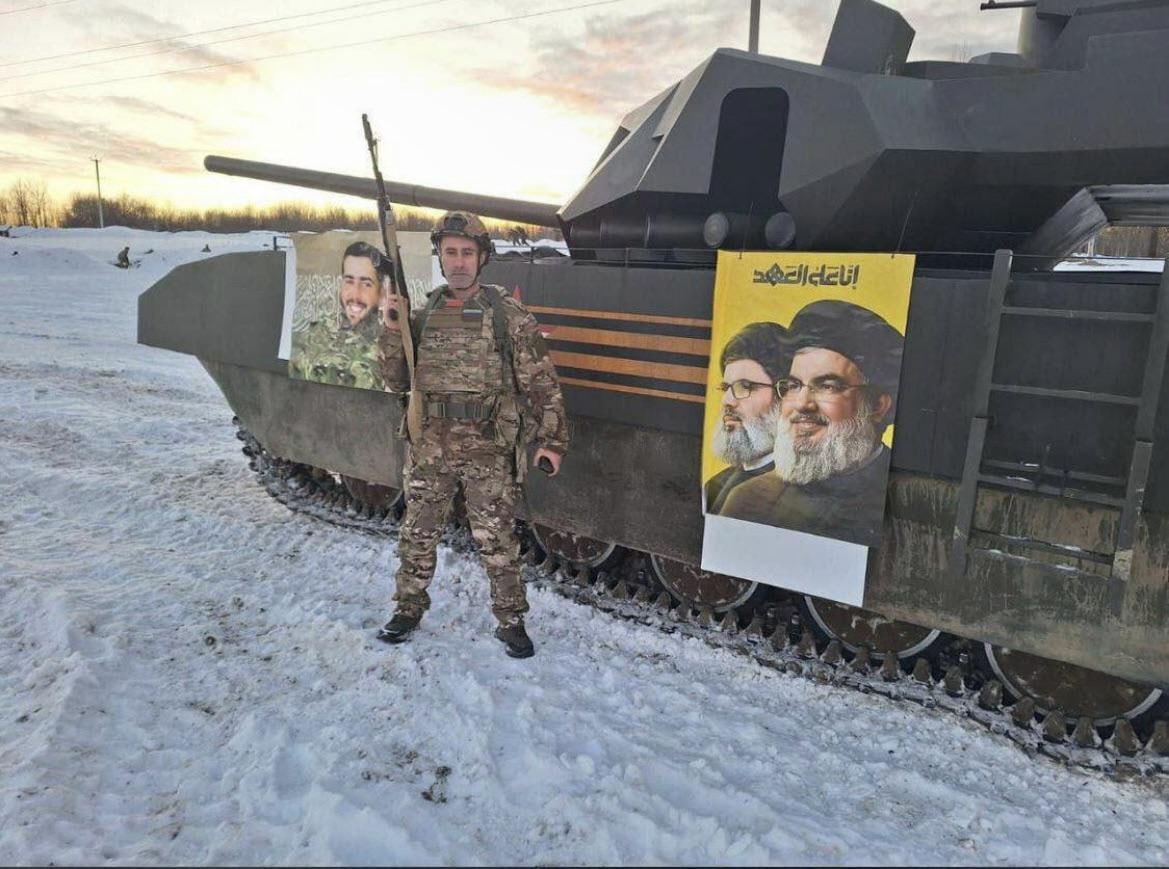
475
1,131
144
4,637
The Kyiv Independent retweeted

📩Our weekly report is out! 🧵 Subscribe to read full weekly reports on #Ukraine straight in your inbox: insights.kyivindependent.com…
🇺🇸 @ZelenskyyUa challenges US minerals deal, demands security guarantees; says he'd step down for @NATO membership. Meanwhile, Russia counters with Arctic energy & minerals proposals from occupied territories. EU nations pivot toward strategic independence from US. #Ukraine #Diplomacy

2
24
3
69
Anton Gerashchenko retweeted
"For Russia and grandfathers, we'll shoot all Khokhols [derogatory term for Ukrainians]!" – Russian children say.
What do you think these children will be when they grow up?

1,174
1,461
152
4,952
0
Great initiative, thank you!

When France, the US, and the EU invite a Georgian leader standing up to Russian influence, the UK should do the same.
Today, I pressed the government to invite Mme Zourabichvili. Time for Britain to act, not dither. #Georgia

32
2
106
The Danish are the top GDP to aid provider to Ukraine. They provide 2.2% of GDP this is in contrast to the US who spent 0.9%.
I think it is disappointing you choose to parrot hard right propaganda as opposed to the facts.
Have a nice day.
5
1
1
18
⚡️BREAKING: Kyiv, Washington reach agreement on minerals deal.
According to the Financial Times, Ukraine secured more favorable terms and framed the deal as a way to strengthen ties with the U.S.
kyivindependent.com/breaking…
157
310
53
1,107
Jay in Kyiv retweeted
One look at last night's Ukrainian air defense report and it's clear that Russia's war is no longer about anything military, this is purely genocide, pouring missiles and drones all over the country, every night worse than the previous.
This is about liquidating population.
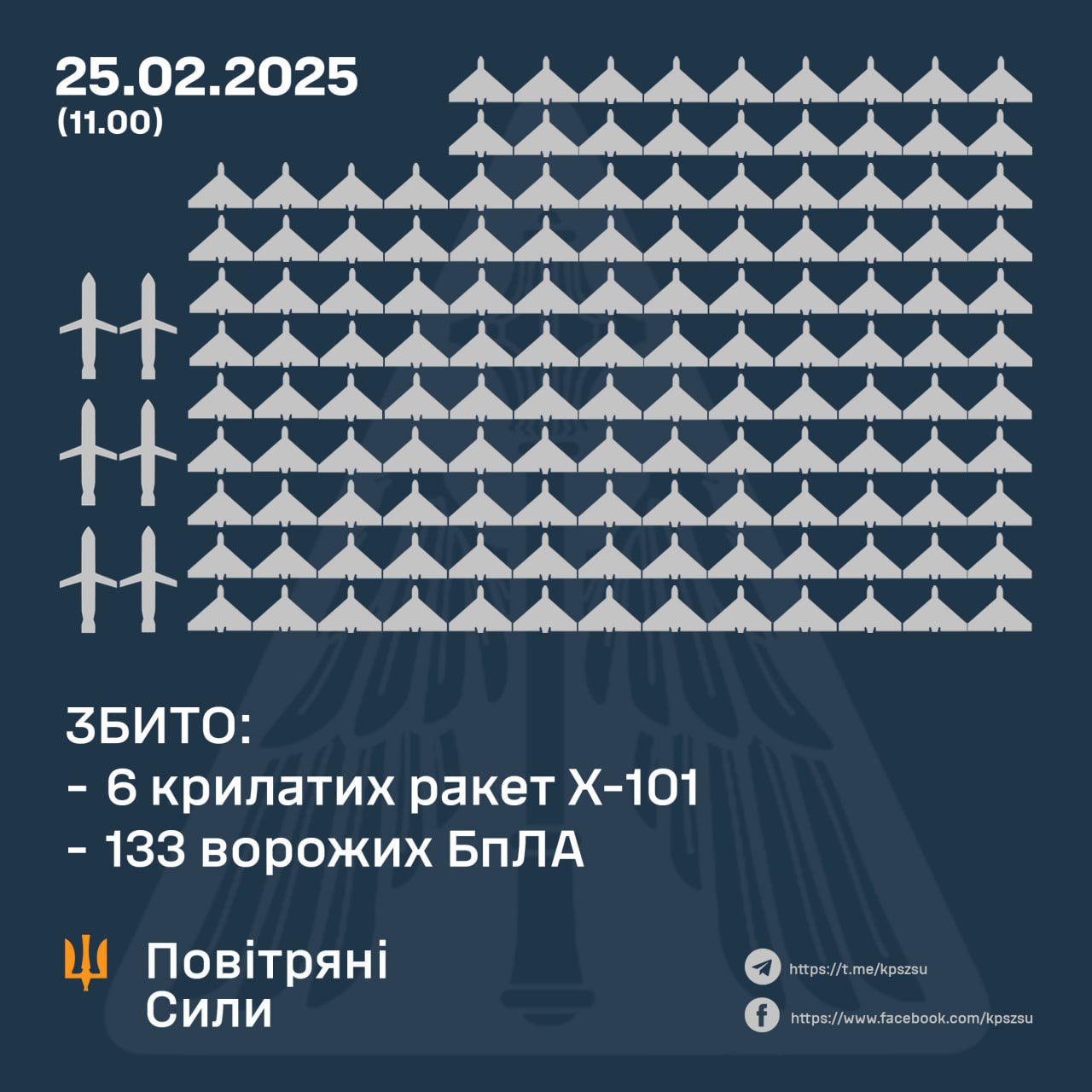
11
53
8
171

Jay in Kyiv retweeted
Guess who was bailing out Donald Trump to the tune of $53 million in the late ‘80s? The Soviets. @elonmusk is suppressing this story like a motherfucker. Use the link in the screenshot to retrieve the full story.

70
2,323
36
4,084

1️⃣ Fact: OUN had different factions with different approaches but was never a Nazi ally
➤ OUN split in 1940 into two factions:
OUN-B (Bandera’s faction) – more radical and focused on Ukrainian independence.
OUN-M (Melnyk’s faction) – more moderate, attempted diplomatic approaches.
➤ OUN was never a Nazi ally. It saw Germany as a potential temporary partner but ultimately pursued Ukrainian independence, which was against Hitler’s plans.
📝 If OUN was truly a Nazi ally, why did the Gestapo imprison its leaders and members?
2️⃣ Fact: Bandera and OUN-B were repressed by the Nazis
➤ On June 30, 1941, OUN-B declared the "Act of Restoration of Ukrainian Independence" in Lviv. This was done against the will of the Nazi administration.
➤ The German reaction was immediate:
The Gestapo arrested Stepan Bandera, Yaroslav Stetsko, and hundreds of OUN-B members.
Bandera was imprisoned in the Sachsenhausen concentration camp from 1941 to 1944.
His two brothers were murdered in Auschwitz (Oświęcim).
📝 How can someone be a Nazi collaborator while spending years in a Nazi concentration camp?
3️⃣ Fact: OUN-M sought cooperation but had no real influence
➤ OUN-M (Melnyk’s faction) attempted to establish cooperation with the Germans in the early years of the war.
➤ However, this was not "collaboration" in the true sense, but rather an attempt to use Germany for Ukrainian independence.
➤ The Nazis never saw OUN-M as a real ally and quickly disregarded them.
📝 If Melnyk "strategically collaborated" with the Nazis, why was he later arrested and placed under house arrest in Berlin?
4️⃣ Fact: Soviet and Russian propaganda deliberately exaggerates the "collaboration" narrative
➤ The Kremlin has used the "Ukrainian Nazi" myth since Stalin’s time.
➤ All Soviet "evidence" of collaboration was fabricated by the KGB in the 1940s-50s and does not hold up under serious historical scrutiny.
➤ In modern Russia, this narrative is weaponized to justify aggression against Ukraine.
📝 If the claim about OUN/UPA-Nazi collaboration is true, why does it mostly originate from Soviet and Russian sources rather than objective historians?
❗️There will be more decisions. We are actively preparing them now - meetings, agreements, negotiations - Zelensky
There is already a lot of diplomacy, and events will only accelerate. We are preparing some formats with partners.
2
44
316
0
🥴US Vice President Vance accused Zelensky of not wanting to end the war with Russia quickly.
"When we talked to him at a hotel in Munich, I tried to politely but firmly point out to him that the war needed to be ended as soon as possible. But he clearly didn't understand that."

984
236
94
1,171

The biggest spreader of misinformation in the world with another banger.
You don’t even need a community note for this one 🤣
P.S. he held US student visa under a Canadian passport. If his statement was true, he has violated US immigration laws by using a fake passport.

2
5
32
❗️A 🇺🇦Ukrainian MiG-29 fighter strikes
🇷🇺Russian troops and their communications/electronic warfare systems using a 🇫🇷French AASM HAMMER guided aerial bomb.

30
546
8
5,186
0
⚡️Ukraine and the U.S. have agreed on the terms of a minerals deal, reports Financial Times.
ft.com/content/1890d104-1395…
19
14
2
73
Ukraine has been actively working on defense agreements for decades. The problem is not that Ukraine “didn’t ask,” but that NATO countries were reluctant to provide security guarantees due to fears of provoking Russia.
1️⃣ Ukraine applied for NATO membership in 2008, but the U.S., Germany, and France blocked the process to avoid angering Russia.
2️⃣ Since 2014, Ukraine signed numerous defense agreements, including strategic partnerships with the U.S. and UK.
3️⃣ In 2022, Ukraine formally applied for NATO membership again, yet the West remains hesitant.
This isn’t about “Ukraine not asking” – it’s about the West refusing to commit.
2
3
The absence of war and security. There are things greater than money. Some people don't understand this.
1
1
2
🇬🇧🇫🇷 The UK & France are ready to deploy peacekeepers to Ukraine only if the U.S. guarantees their protection. Trump has refused to provide such guarantees, and Macron failed to secure concessions. Both are requesting U.S. logistical, intel, and military support.
ft.com/content/983becc0-4604…

54
63
7
457
Guess what happened to another russian column in north Kharkiv? 🙄
Clue: they didn’t get flowers.
Work of RUBPAK soldiers of the 71st.

15
163
1
1,450
0
We are talking about countries, not politicians. At this point, everyone has broken the agreement.
2
This agreement only took away and gave nothing.
But...
Ukraine agreed to a deal with the U.S. on rare earth metals after Washington dropped its harshest conditions, – FT
According to the publication, the U.S. rejected its initial demand to secure the right to $500 billion in potential revenue from the extraction of Ukrainian resources. However, the agreement still does not include any mention of U.S. security guarantees for Ukraine.
📢 Minister for Euro-Atlantic Integration Olga Stefanishyna commented:
"The minerals agreement is just one part of the bigger picture. We have repeatedly heard from the U.S. administration that it is only one component."
💭 My take?
I really think this might be some kind of strategic maneuver to justify U.S. troop deployment in Ukraine. At least, I hope that's the case. But let’s see how things unfold—because for now, everything looks very ambiguous.

Ukraine agreed to a deal with the U.S. on rare earth metals after Washington dropped its harshest conditions, – FT
According to the publication, the U.S. rejected its initial demand to secure the right to $500 billion in potential revenue from the extraction of Ukrainian resources. However, the agreement still does not include any mention of U.S. security guarantees for Ukraine.
📢 Minister for Euro-Atlantic Integration Olga Stefanishyna commented:
"The minerals agreement is just one part of the bigger picture. We have repeatedly heard from the U.S. administration that it is only one component."
💭 My take?
I really think this might be some kind of strategic maneuver to justify U.S. troop deployment in Ukraine. At least, I hope that's the case. But let’s see how things unfold—because for now, everything looks very ambiguous.
7
6
1
23
🇺🇦 A MiG-29 of the 40th Tactical Aviation Brigade strikes a concentration of Russian forces and their communication/EW systems using an AASM HAMMER guided bomb.

6
89
4
970
0
❗️The document on Ukrainian subsoil will be signed by the Minister of Foreign Affairs of Ukraine Sybiga and the US Secretary of State Rubio, – FT.
▪️The US has abandoned the demands for $500 billion, as President Zelensky said.
▪️The US and Ukraine should create a Reconstruction Investment Fund.
▪️The provision according to which the US would have 100% control over the commercial fund was excluded from the updated agreement, but it still does not have clear security guarantees.
8
23
3
95
⚡️Hungary seeks removal of eight names from EU Russia sanctions list, Reuters reports.
Hungary is demanding the removal of eight individuals from the EU's Russia sanctions list and guarantees on Ukraine's gas transit talks before agreeing to renew restrictions, Reuters reported on Feb. 25, citing sources familiar with the matter.
kyivindependent.com/hungary-…
38
53
7
199
BREAKING: According to FT, Ukraine has reached an agreement with Washington on a minerals deal, hoping to strengthen ties with a potential Trump administration and secure a long-term U.S. security commitment.
Ukrainian officials say they are ready to sign.
ft.com/content/1890d104-1395…

73
88
15
513
The International Olympic Committee (IOC) is pressuring the International Ski Federation (FIS) and the International Biathlon Union (IBU) to allow Russian athletes back into international competitions. The goal is to reinstate Russian and Belarusian athletes before the 2026 Olympics.
🚨 How can this even be considered?
💬 Let’s not forget what Russian sports have become during this war:
🔴 A Russian gymnast publicly displayed a Nazi salute during an award ceremony.
🔴 Many Russian athletes openly support the war, posing with the Z-swastika, which has become a symbol of Russia’s genocidal invasion of Ukraine.
🔴 Some athletes even enlisted to fight, proudly showcasing their involvement in Russia’s military aggression.
❗️ The IOC wants us to separate sports from politics, but how can we when Russian sports have become a propaganda tool for war?
Bringing Russian and Belarusian athletes back now normalizes their actions and sends a message that war crimes and genocide come without consequences. If the IOC proceeds with this, it will be complicit in whitewashing Russia’s atrocities, just as it did with Nazi Germany in 1936. We cannot allow history to repeat itself.

7
5
1
19
Jay in Kyiv retweeted
"I support the idea to have Ukraine, first, being compensated. [...] Second, all those who paid should be compensated, but not by Ukraine, by Russia. They were the ones to aggress" - Emmanuel Macron during his meeting with Trump yesterday
📹Newsweek / Instagram

181
1,919
57
8,918
0
The largest GDP to aid contributors actually, so yes you’re correct. As a recall, the U.S. comes in around 6th position.
1

Toretsk has been a fluid situation for some time now, but for the past few weeks Ukraine has been winning battles there. Rumours are that they are fighting for the city centre now.
Slava Ukraini! 🇺🇦
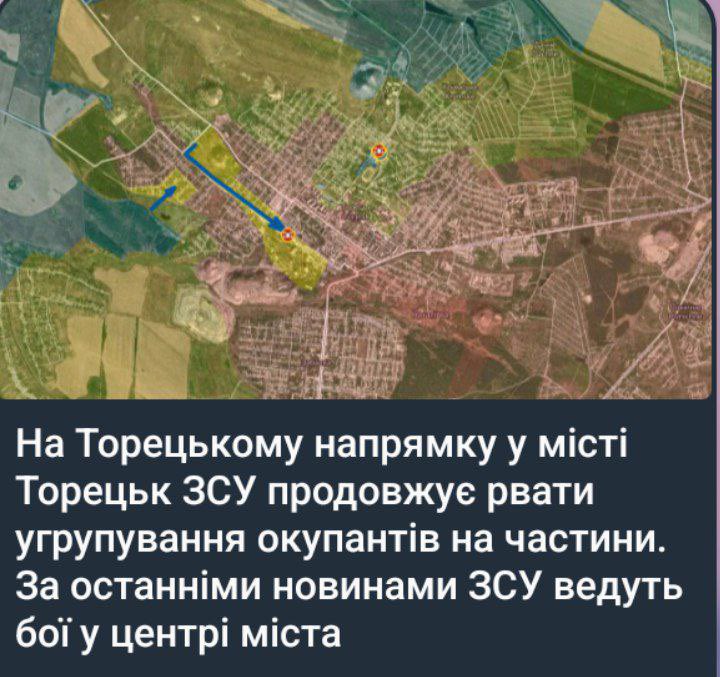
2
1
34
Lviv Mayor Andriy Sadovyi suggested that pro-Russian Polish politician Sławomir Mentzen should show real courage by recording a similar video near the Donetsk stela instead of making provocative statements in Lviv.
💬 "He can go to the front and share his thoughts, especially with Polish volunteers fighting for Ukraine. I also have information that he is officially banned from entering Ukraine—it’s worth checking."
🧐 This comment was a response to a video where Sławomir Mentzen, the leader of the Polish far-right "Confederation" party, visited Lviv and recorded a video near the monument to Stepan Bandera, calling him a terrorist.
❗️ The irony is obvious. He comes to another country, in the middle of war, stands by a monument to a national hero, and makes a provocative statement that echoes Russian propaganda. It would be much more relevant and "brave" for him to make such a video in front of Ukrainian soldiers on the front line, where Polish volunteers are also fighting against Russia.
This is nothing more than a cheap provocation from a politician whose party already blocked aid to Ukraine by obstructing border crossings with Russian flags.
2
1
1
9
💥FPV pilots of the 🇺🇦63rd Mechanized Brigade hunted down 13 🇷🇺Russian invaders in the Donetsk region.

26
171
9
1,365
0
Yes, security assurances are not the same as a military alliance, but they were given in exchange for Ukraine giving up the world’s third-largest nuclear arsenal. The U.S. and UK agreed to respect and ensure Ukraine’s sovereignty, which Russia violated in 2014.
As for signing defense treaties:
1️⃣ Ukraine consistently sought closer ties with NATO, but Western countries hesitated due to fears of provoking Russia.
2️⃣ Trump openly opposed helping Ukraine and even attempted to pressure Zelenskyy in 2019 over military aid (the very reason he was impeached).
3️⃣ NATO membership and bilateral defense pacts depend on the willingness of other countries – Ukraine cannot "force" the U.S. or Europe to sign a treaty.
Blaming Ukraine’s leaders for the West’s reluctance to act is just historical revisionism
5
2
1
❗️We will host a number of leaders at the end of the week to discuss the situation in 🇺🇦Ukraine, - 🇬🇧British Prime Minister Starmer
A number of other statements from the leader:
▪️ Putin's invasion will not stop at the borders of Ukraine. The only possible response to him is force.
▪️ We are three years late in responding to the Russian invasion of Ukraine.
▪️ We will bring our troops into Ukraine under the condition of guarantees from the US.

14
49
1
231
Group of economists unearthed a scam that screwed Ukraine out of billions, marking up old decaying weapons 3x the value of new versions.
We have performed an independent analysis based on publicly available data. Our findings show that in three years of full-scale war, the total monetary value of US aid delivered to Ukraine’s government amounts to $50.9 billion, of which $18.3 billion comprise military aid, and the remaining $32.6 billion is direct budget support in the form of expense reimbursement through the World Bank and collateral for loans. These figures differ from the appropriation amounts by a factor of two to three. For example, the US government has valued its military aid to Ukraine at $65.9 billion, whereas our estimate places it at $18.3 billion.
The discrepancy between the allocation numbers and the values computed in our independent analysis stems from three main factors. First, the majority of US military aid to Ukraine has come in the form of existing equipment from US stockpiles. When we track every weapon provided and consider the vintage of these weapons, their full depreciation, and their failure rates (rendering equipment unusable by the US army), the value is at least 60% less. Second, where aid consisted of new equipment ordered, the US placed significant limitations on Ukraine’s choice of weapons and their use, and some of the equipment transfers have not yet occurred. Third, a substantial portion (approximately 25%) of the military aid was provided in the form of loans rather than grants. We discuss these factors in more detail in Section 3, after presenting some background information about US aid to Ukraine.
133
1,497
79
4,309
The Budapest Memorandum may not be a military alliance, but it was a diplomatic agreement in which the U.S., UK, and Russia provided security assurances to Ukraine in exchange for nuclear disarmament.
1️⃣ The U.S. and UK committed to respecting and ensuring Ukraine’s sovereignty (Article 1).
2️⃣ Russia violated the memorandum by invading Ukraine.
3️⃣ The U.S. and UK, as signatories, bear a moral and political responsibility to respond.
If security assurances can be ignored, then what incentive does any country have to give up nuclear weapons in the future?
Russia’s government is reportedly ready to supply the U.S. with 650 million tons of rare earth metals, according to Russian media. This information is still unconfirmed.
74
42
13
259
Special Kherson Cat 🐈🇺🇦 retweeted

Не про всі ураження можна говорити одразу. Іноді виявлення та знищення особливо важливої цілі на конкретному напрямку в потрібний час – це окрема спецоперація і будь-який розголос навіть про сам факт її проведення може знівелювати тактичну перевагу Сил оборони на певному напрямку.
Однією з таких операцій став комплекс заходів, спрямований на суттєве послаблення спроможностей окупантів до ведення радіоелектронної розвідки, постановки радіоперешкод та придушення супутникового зв’язку на Херсонському напрямку.
Лютий 2024 року, в самому розпалі йде операція ЗСУ на лівобережжі Херсонщини, що дозволяє сковувати значні сили ворога на Півдні. Логістика та зв’язок значно ускладнені, а для забезпечення передових угруповань українських військ на лівому березі використовуються різних видів дрони. В таких умовах, полювання за ворожими засобами РЕБ – це надважливе завдання.
Знищення операторами 14-го окремого полку БпАК російського комплексу радіоелектронного придушення РБ-301Б «Борисоглєбськ-2» – лише невелика частина операції, про яку вже можна говорити. В результаті злагодженої роботи ISR-розрахунку полку та ракетної артилерії, між виявленням цілі та її ураженням пройшло не більше 10-ти хвилин.
Не лишаємо ворогу шансів!

7
93
3
756
0
❗️🇨🇦Canada will allocate $28 million for weapons production within the framework of the “🇩🇰Danish model” for 🇺🇦Ukraine

9
141
2
1,205
⚡️ Starlink says it is fully committed to providing services to Ukraine, stating that "any rumors to the contrary are completely false."

20
49
5
416
What are the guarantees of protection against the backdrop of violated security agreements from the US, Britain and Russia?
1
1
2
I was against the Democrats and wanted Trump to win because the Democrats are too weak and cowardly to hit Russia. But Trump's logic now is capitulation to Russia, which will lead to terrible consequences and World War 3. I still hope that this is just a rhetorical trick and I expect him to hit Russia, but what I hear is not encouraging.
1
❗️🇬🇧UK announces record defence budget increase since Cold War
Britain will increase its defence budget to 2.5% of GDP from April 2027, and then to 3%.

18
196
3
1,681
Yes, the Budapest Memorandum is not a formal defense treaty, but it is an international security assurance signed by the U.S., the UK, and Russia in exchange for Ukraine giving up the third-largest nuclear arsenal in the world.
According to international law, when a country voluntarily surrenders nuclear weapons in exchange for security assurances, the signatories bear a legal and moral responsibility to uphold those assurances.
By violating the memorandum, Russia broke its obligations, and the U.S. and UK failed to enforce it. This does not mean the agreement was meaningless – it means one party (Russia) breached its commitments, and the others failed to act accordingly."
If the Budapest Memorandum was worthless, why did the U.S., UK, and Russia sign it? Why would any country ever give up nuclear weapons if security assurances mean nothing?
1
1
3
The country signs and must fulfill it, regardless of the presidents who change. What kind of logic is this that it is possible to violate all the treaties concluded by the state under previous presidents?
1
1
🚀🦅🇺🇦 Ukrainian defense industry enterprises plan to produce about 3,000 cruise missiles and missile-drones in 2025, as well as at least 30,000 long-range drones.
Read more 👀👇
theukrainianreview.info/big-…
6
39
2
217
With Musk's ongoing campaign of siding with Russia and trying to rip apart European society with disinformation, UK drivers can't get rid of their Tesla's fast enough, with price now dropping -5%/month.


17
115
6
508
You are not wrong and I have said it many times. Thankfully now Wun Dum Fuc has woken everyone up and we’ll cope. We’ll just have to shift military spending from your industrial military complex to Europe. I’ve always said we should not be spending on the F35 boondoggle program.
We can expand militarily, boost manufacturing capacity and now we have a new German Chancellor, we can make things happen. This will also provide an economic boost.
3
Day 90. We need new elections - without it, there will be worsening instability, NOT a dictatorial "stability," whatever it means.
And we need to avoid whatever costs can be avoided.
For that, we need sanctions - their resources are immense. #GeorgiaProtests
📷 @koka1344

10
112
3
342

EKIPA FANTASY 28 CZERWCA ZORGANIZUJE MECZ CHARYTATYWNY MIERZĄC SIĘ Z „YOUTUBE FC”.
Będzie to nowa inicjatywa z ich strony, po tym jak przez 10 lat organizowali kojarzące sie z Ekipą Live'y Charytatywne na których co roku bili rekordy.
100% zebranej kwoty zostanie przekazane na pomoc dzieciom we współpracy z SiePomaga, to wydarzenie będzie również memoriałem zmarłego członka ekipy DEVa.


8
19
1,186


1️⃣ Fact: UPA did not collaborate with the Nazis but fought against them
➤ The Ukrainian Insurgent Army (UPA) was founded in October 1942, at a time when the Nazis were actively suppressing the Ukrainian independence movement.
➤ From 1943 onward, UPA waged an armed struggle against the Germans, attacking garrisons, freeing prisoners, and seizing weapons. For example:
🔹 In April 1943, UPA destroyed a German garrison in Volodymyrets.
🔹 In June 1943, it eliminated four German outposts in the Sarny district.
🔹 In the summer of 1943, the Germans launched a large-scale punitive operation against UPA, involving 10,000 troops.
📝 If UPA "collaborated" with the Nazis, why did the Germans try to eliminate them? Why were there battles between UPA and the Wehrmacht?
2️⃣ Fact: OUN-B was an enemy of the Third Reich
🔹 The OUN-B (Organization of Ukrainian Nationalists, Banderite wing) aimed for Ukrainian independence and turned against the Nazis when they refused to recognize Ukraine’s sovereignty.
🔹 On June 30, 1941, OUN-B declared the Act of Restoration of Ukrainian Independence in Lviv, which enraged Hitler.
🔹 As a result, Bandera and other OUN-B leaders were arrested and sent to concentration camps. Bandera spent three years in Sachsenhausen, while his brothers were murdered in Auschwitz.
📝 If Bandera and the OUN-B leadership were in Nazi concentration camps, how could they have "collaborated" with the Nazis?
3️⃣ Fact: The "Ukrainian Auxiliary Police" ≠ UPA
🔹 Russian propaganda deliberately conflates UPA with the Ukrainian Auxiliary Police, a force created by the Nazis in 1941.
🔹 However, this police force had nothing to do with UPA. It consisted of various individuals, including some collaborators from different ethnic backgrounds (Ukrainians, Poles, Russians, Belarusians).
🔹 When UPA emerged, it actively eliminated Nazi collaborators unless they switched sides and joined the resistance.
📝 Why do people confuse UPA with the Nazi-created Auxiliary Police, when UPA actually fought against them?
4️⃣ Fact: Russia exploits the Volhynia tragedy to divide Ukrainians and Poles
🔹 The Kremlin consistently weaponizes historical conflicts, such as the Volhynia tragedy, exaggerating its scale while ignoring Soviet crimes against both Ukrainians and Poles – including the Holodomor, the Katyn massacre, and mass deportations to Siberia.
🔹 The Volhynia events were a tragic ethnic conflict during World War II, with casualties on both sides, but Russia always emphasizes only Polish victims, distorting history for its own benefit.
🔹 The 100,000 Polish victims claim is exaggerated and not confirmed by serious historical research.
📝 Why does Russia focus only on Polish victims while ignoring Soviet crimes against both Ukrainians and Poles?
5️⃣ Fact: The myth of UPA-Nazi collaboration is a Soviet invention
🔹 The claim that "UPA collaborated with the Nazis" was invented by the Soviet NKVD in the 1940s-50s to discredit the Ukrainian resistance movement.
🔹 From 1944 to 1953, the Soviet regime carried out brutal repression against UPA fighters, killing, deporting, and torturing them.
🔹 The Kremlin still spreads the same old Soviet lies today.
📝 If UPA were Nazi collaborators, why did the Soviets spend a decade hunting and exterminating them?
1
1
⚡️Ukraine approves Vidmak drone system to target Russian vehicles.
"These high-speed FPV drones are capable of chasing down any wheeled vehicles of the invaders," the Defense Ministry said.
kyivindependent.com/ukraine-…
13
123
1
624
No question all NATO members have come up short, here in the UK that has not been the case. All we can do is look forward and changes are now happening. Meanwhile we can field a competitive team without the US.
5
2
17
You are absolutely correct, you have my unreserved apologies, wrong war. We’ve followed you into so many wars.
It doesn’t change however that it was a coalition and Denmark was part of that coalition.
Today, an EU delegation has handed over 25 VW Amarok pickups co-financed by the German government to the National Police of Ukraine.


1
20
150
Jay in Kyiv retweeted

Three years ago, explosions tore the February sky over Ukraine. The darkness of war covered cities and villages, changing the lives of millions. But even in the darkest times, through pain and loss, Ukrainians did not lose the light in their hearts.
This song is about those first terrible days when everyone woke up to the sound of sirens, but instead of fear, they found the strength to fight. It is a song about the unbreakable spirit, faith and hope that lead Ukraine to victory.
Let the February sky be not only a memory of pain, but also a symbol of light that will surely conquer the darkness!

15
129
5
492
0
❗️Starlink is fully committed to providing to services to Ukraine. Any other rumors are false, — the company's official statement

16
34
1
255
The U.S. and Ukraine are currently hashing out a hotly-debated natural resources deal. As no details of the agreement have been officially released, the public has had to rely on leaked information and drafts of the deal to get a sense of what’s at stake.
kyivindependent.com/what-we-…
37
52
2
155
You are not wrong here. The next few months will show whether Trump is just dangerously naive or fully compromised. Either way, if your worldview aligns with Kremlin propaganda, you’re a liability to the free world. No excuses.
Personally, I fear that too many people will keep pretending this isn’t a problem. That they’ll brush off the obvious signs, the rhetoric, the admiration for dictators—until it’s too late. We’ve seen this story before, and it never ends well.
2
9
Ukraine has been actively cooperating with NATO and Western allies for decades.
1️⃣ Ukraine sent peacekeeping forces to Iraq, Kosovo, and Afghanistan to support international security.
2️⃣ Ukraine gave up the third-largest nuclear arsenal in the world in 1994 in exchange for security guarantees (Budapest Memorandum), which were violated when Russia invaded.
3️⃣ Since 2014, Ukraine has been actively modernizing its army according to NATO standards and has become a de facto frontline defender of European security.
4️⃣ Ukraine has provided valuable military intelligence, real battlefield testing of Western weaponry, and extensive combat experience against Russia – something no NATO country has.
So no, Ukraine is not just "demanding help" – it is contributing to global security and defending the free world against Russian aggression.
2
2
❗️🇺🇦Unmanned Systems Forces destroyed a 🇷🇺Russian Strela-10M4 air defense system in the Luhansk direction

6
81
1
488
0
Just a retired KGB project. When your entire foreign policy comes straight from Kremlin TV. Trump doesn’t need intelligence briefings—Solovyov does it for him.

3
25
130
Russian military complain about the lack of logistics transport and that there is no other option but to buy donkeys. One donkey costs 40,000 rubles (460 USD).

108
420
54
2,505
0
Buddy it was a war the US drew NATO into on a completely false premise. Rumsfeld’s known unknown nonsense.
It was YOUR war on terror, troops were deployed based on the size of forces available per ally.
1

❗️🇷🇺Russian soldiers complain that they are forced to buy donkeys at their own expense for the front because there is no equipment at all. The Russians use donkeys as logistics

98
339
22
1,618
0
So you are not big on context? Then I can’t help you.
Which part of Russia is the aggressor are you struggling with? Peace can happen today. Russia simply has to withdraw. Done, then all we need to discuss is reparations. It’s not complicated.
1
28
Anchorage, Alaska, 1 day ago
Thank you for standing with Ukraine!
📷: lyuber.bsky.social

5
68
1
523
0
Yesterday at the Times Square
Thank you for standing with Ukraine!
📷: Anna Turchyn / Facebook

85
1,361
20
7,707
As the Russian mortgage market collapses to a mere $1.46 billion, consider that even tiny Portugal is $2.9billion (November 2024)).
Trump is discarding massive economic allies in favor of a primitive and genocidal backwater that's also intent on destroying the west.
The Russian mortgage market has collapsed to lows not seen in six years, with mortgage issuance for the month of January 2025 falling to 127 billion rubles ($1.46 billion).
But it gets worse.
The percentage of loans that are state subsidized increased to record 85%.
The entire Russian mortgage market is now less than a month of Netflix's global revenue.


9
144
368
As part of the bigger picture, I just wanted to drop this here for those who might want to better understand the impact on the Ukraine situation as it relates to the German elections.
This result is good news for the EU because it will bring Germany off the fence when it comes to formulating a new pro Ukraine military strategy. The new Chancellor Friedrich Merz is already talking about bringing the UK into the planning phases and using wartime production to boost respective economies.
🎥 TikTok - @cpscott15

2
6
20
0
A self-organized community made a hub for helping people trapped under snowfall in Guria.
Meanwhile, Ozurgeti City Hall posted that volunteers disrupt their (non-existent) work and that any effort must be coordinated with them.
📷 Nanuka Zhorzholiani

2
36
2
100

russian propagandists describe Friedrich Merz as a "consistent Russophobe" after the elections in Germany.
I see this as great praise for Germany's new chancellor in these times.
How many Americans are still proud of Trump, the greatest traitor in the history of the USA?
49
279
8
1,188
Defensive and offensive missiles... you can use air defence interceptors both ways. Have a look at one of the German-delivered Patriot fire units. Downed three fighter aircraft and three helicopters within a few days. Not just cruise missiles and drones.

5
The amount of Patriot interceptors was expected (and partly confirmed), but IRIS-T interceptors is about 100 more than I had expected, so it's a decent amount :).
1
1
45
❌ "Not a Serious Proposal"? Then Who Will Guarantee Ukraine’s Security?
U.S. Secretary of State Marco Rubio stated that the idea of returning nuclear weapons to Ukraine instead of granting NATO membership is "not a serious proposal" because "the world needs fewer nuclear countries, not more."
According to him, the key issue is "how to end the conflict in a way that doesn’t lead to another war in one, two, or three years."
💭 Now, let’s recall: 30 years ago, under the exact same slogans—about "fewer nuclear states" and "guarantees of peace"—Ukraine was persuaded to give up its nuclear weapons in exchange for the Budapest Memorandum. And what did we get? A Russian invasion, occupation, and now three years of full-scale war, while the memorandum's signatories simply washed their hands of any responsibility.
If NATO is closed to Ukraine, what real security guarantees is the U.S. offering? Rubio himself admits that even after any so-called "peaceful settlement," the risk of another war remains. So what will actually prevent it?
🛑 Proposals like "no NATO membership, no nuclear deterrence, but somehow just figure it out" are exactly what a non-serious proposal looks like. Even more absurd is pushing the idea that Ukraine should cede territory to Russia or give away its resources to the U.S. while receiving no real protection in return.
If the West refuses to accept Ukraine into NATO, and even refuses to discuss nuclear deterrence, then it must provide a real, enforceable security mechanism. Otherwise, this is just another round of deception—just like in 1994.
#Ukraine #Security #BudapestMemorandum #NATO #NuclearWeapons #Russia #MarcoRubio #USPolicy @SecRubio @marcorubio @NATO

29
19
1
57
Russian mortgage market has collapsed.
The Russian mortgage market has collapsed to lows not seen in six years, with mortgage issuance for the month of January 2025 falling to 127 billion rubles ($1.46 billion).
But it gets worse.
The percentage of loans that are state subsidized increased to record 85%.
The entire Russian mortgage market is now less than a month of Netflix's global revenue.
10
61
3
391
Russians are very dissatisfied with Putin's proposal to grant the US access to Russian rare mineral resources as well as to those located in the occupied territory of Ukraine.
They find it quite hard to understand what is happening: Is the United States an enemy or a respected partner? And with whom and for what is the war being fought?
I have gathered a few of their quotes for you, which I think you will find enjoyable:
◾️ "F*cking great. Our soldiers continue to die from, among other things, American weapons - and he is already f*cking negotiating joint projects with the Yankees. Business, nothing personal. Probably the worst ruler in the history of the country";
◾️ "Yeah, from 'America is f*cked!' to 'Aluminum for America!' ";
◾️ "That's it, the guys didn't die in vain, SMO goals have been accomplished, it's time to give deep kisses to our American and Jewish brothers. I think we should apply to NATO tomorrow";
◾️ "Now it's clear what we were fighting for. Putin is selling Russia to America. Who the f*ck won that war?! Was it this Kremlin a**hole who made millions of Russians lose their relatives? Or was it the US that this bald dwarf was fighting against? I'm speechless";
◾️ "They talked tough, 'We're an empire, we can repeat' but turned out to be schmucks, with an enormous conceit, who ruined the economy and more than a million lives."

As soon as Donald Trump announced that he will soon sign the deal on rare earth minerals with Ukraine, Putin decided to offer the US President “Russian” critical minerals.
Yesterday, Putin called an emergency meeting on the development of the rare earth minerals sector. In the meeting he suggested they could work together with the Americans in the Russian-occupied regions of Ukraine on the development of rare earth reserves, as well as regions across all of Russia.
Today, Putin’s spokesman Peskov said there is a lot of potential for joint projects with the United States on rare earth minerals.
Three main conclusions here:
▪️Russia wants to feel important on the global stage again. War in Ukraine didn't get them the accolades they so badly wanted - so now, they are suddenly interested in peace and cooperation with the West. This is both a cry for help from their ailing economy, but also a long game from Moscow. They want Western nations to depend on Russia again. Need I remind you, that peace through economic cooperation with Russia has already failed multiple times? Ukrainians and Georgians are living testament to that.
▪️Putin is looking for a way to effectively legitimize the occupation of Ukrainian territories. He is trying to make the underpinning principle of the new world order “Don’t ask for permission, pay for forgiveness.” There are nations who will be very happy to hear you can violate borders and annex territories of other countries, as long as you share your profits afterwards. This has the potential to destroy international law and the central principle of sovereign equality.
▪️Putin always lies. He has no plans to cooperate with the US on Ukraine's occupied territories. He is trying to cause more hysteria, as a way to pressure society and the negotiation process. And Putin is openly mocking the West with this.
Just look at his expression.

82
314
17
967
Stepan Bandera was not the leader of UPA, nor was he responsible for any operations in Volhynia or Eastern Galicia in 1943-44. At that time, he was imprisoned in the Nazi concentration camp Sachsenhausen.
The OUN-B was a political movement that sought Ukrainian independence, and UPA was a military force that fought against both Nazi Germany and the Soviet Union.
The so-called "100,000 Polish victims" figure is an exaggeration and comes from Soviet and modern Russian propaganda, which deliberately distorts historical facts to sow discord between Ukrainians and Poles.
Meanwhile, let's not forget the crimes committed by Soviet NKVD against both Ukrainians and Poles, including the Katyn massacre and the deportations of entire families to Siberia.
1
France, Germany, Italy, Spain, and Ursula von der Leyen refused to confiscate frozen Russian assets for Ukraine. Why? Because “investors might get scared.”
So, massacred Ukrainians aren’t an argument. Bombed cities aren’t an argument. Thousands of orphaned children aren’t an argument. But poor international investors? That’s where they draw the line.
33
73
4
330
Read a real history book instead of spreading Soviet propaganda. UPA fought against both the Nazis and the Soviets, and Bandera spent years in a Nazi concentration camp. Stop repeating Kremlin's lies.
1
The original source is a russian Telegram account. They won’t say where because they face consequences for “discrediting the army” so they try to remain anonymous.
3
1
10
1️⃣ Fact: UPA fought against both the Nazis and the USSR
🔹 The Ukrainian Insurgent Army (UPA) was founded in 1942 and fought a two-front war – against Nazi Germany and the Soviet Union.
🔹 In 1943-44, UPA carried out dozens of armed attacks on German garrisons, including liberating prisoners from concentration camps (e.g., the operation in Lutsk).
🔹 Historical facts confirm that Nazi Germany viewed both OUN and UPA as hostile organizations.
🔹 The Gestapo arrested members of the OUN, and Stepan Bandera was imprisoned in Sachsenhausen concentration camp from 1941 to 1944.
📝 Conclusion: "UPA fought against both the Nazis and the USSR. Bandera was imprisoned in Sachsenhausen for three years. The claim that UPA "collaborated" with the Nazis is a falsification that contradicts historical facts."
2️⃣ Fact: "Ukrainian Auxiliary Police" ≠ UPA
🔹 Russian propaganda deliberately confuses different historical entities. The "Ukrainian Auxiliary Police" was created by the Nazis and included various people, including collaborators.
🔹 However, this police force had nothing to do with OUN or UPA. In fact, when UPA was formed, it actively eliminated Nazi collaborators unless they switched sides and joined the resistance.
📝 Conclusion: "Do not confuse UPA with the Ukrainian Auxiliary Police. The police were created by the Nazis, while UPA fought against them. This is a fundamental historical fact."
3️⃣ Fact: Russian propaganda exploits historical lies to divide Ukrainians and Poles
🔹 Russia constantly digs up historical conflicts (such as the Volyn tragedy) and exaggerates them, while ignoring its own genocidal policies – the Holodomor, the Katyn massacre, and the mass execution of Polish officers.
🔹 Today, Poland and Ukraine are allies, and no Russian disinformation will change that.
📝 Conclusion: "Russia weaponizes historical tragedies to divide Poles and Ukrainians. But we know that the Kremlin is responsible for the mass murder of both Ukrainians and Poles, and our nations will never fall for their lies again."
3

𝔗𝔯𝔲𝔱𝔥 𝔐𝔞𝔱𝔱𝔢𝔯𝔰 retweeted

🎯💯 @ Mette Frederiksen
"Remove all self imposed Red Lines"
So @_FriedrichMerz...its high time to free the #TaurusForUkraine

Today we have heard some outstanding speeches from NATO ally leaders. However, this one from the Danish Prime Minister Mette Frederiksen, was the one that spoke to me for sure.
I think it’s time to stop pretending to ourselves that the U.S. is anything but an impediment to solving this existential threat, to the welfare and safety of all our citizens.
Let me quote Sun Tzu's The Art of War. ‘All warfare is based on deception’ and for sure, Putin has waged a war of deception. He projected the historical power of the mighty Red army in a bid to quickly overrun Ukraine. He attempted to do it with untrained poorly equipped troops, on out of date rations.
Putin rolled the dice thinking NATO would not commit troops to help defend Ukraine and he was right. What he didn’t plan for, was the lion spirit of the Ukrainian people and the ingenuity of their military engineers. Their work with drones and sea drones has redefined battlefield strategy. Once allies started providing javelin anti-tank missiles and supporting artillery, the game changed. They prevented the Russians from achieving air superiority? And the Russian Black Sea Fleet had to retreat from port.
It is testament to the Ukrainian army and air force, Russia has been held back against all the odds. Let’s be clear, the military has achieved what it has, not because of us, but in-spite of us. We have only given them enough weapons to hold the bear back, not to evict it. There were constant delays, waiting on artillery shells, HIMARS and ATACMS, as well as tanks and F16s.
WE HAVE LET THEM DOWN. Yet these brave men and women have innovated and made do, to defend not only their country, but our borders too. WE OWE THEM BIG TIME. Not with words and sympathy, but with the proper tools to get the job done.
America has disgracefully walked away and aligned with our enemy. The U.S. president’s pet, Elon Musk along with JD Vance, have meanwhile actively supported far right political parties in Europe. Then Vance had the audacity to turn up and lecture us on our own doorstep. What was our answer? ‘Please don’t hurt us’.
This week, we see a slow procession of European leaders making the pilgrimage to the court of Mad King Don for a humiliation session. Pardon my French but ‘f*ck that’, it’s time to stand tall and tell Trump to ‘f*ck right off’ and if it were me. I’d tell him to take his airbases with him too and cancel all military arms contracts.
If he wants access to Ukrainian minerals that’s fine. Ukraine HAS NO DEBT with the U.S. They simply have the thanks of a grateful nation. There was no loan agreement. If he wants mineral rights, then provide an arms package as a down payment for future revenues. Leave the deal on the table for a week and if it’s not signed, pull the deal. Then they get nothing and in addition, no bids will be accepted from US companies for the reconstruction of Ukraine after the war. Now that’s the art of the deal.
As for NATO allies, Trump is walking away regardless, so Europe needs to get its act together NOW. Seize Russian assets and use the funds to fire up the European military industrial base. This will create jobs and growth, while capacity is expanded in all countries with an arms manufacturing capability.
In the meantime, we already have the ability, especially if Poland steps up, to defend against any increased Russian aggression. The British military has already said, if it were needed, we would meet that threat head on today. If this collective approach is taken, the Russian army in Ukraine could be crushed just as crushed the Iraqi army in Desert Storm.
It’s time to show the Americans their services are no longer required. Then when the war is over, we can look to promote the Euro as the new global reserve currency. No harm in ambition I say.
We need to believe in ourselves. It’s time to get the job done and show the world FAFO. There’s only one village idiot in this town and it’s not Zelenskyy.
I rest my case.

1
16
32
𝔗𝔯𝔲𝔱𝔥 𝔐𝔞𝔱𝔱𝔢𝔯𝔰 retweeted

UKR and EU are discussing a trade deal on terms more favorable than those demanded by the US giving EU exclusive access to buy UKR ores for a fixed period, to raise rather than borrow against future revenues from other sources some of the ~$500b UKR reconstruction will cost.
1
7
22

We even respect the Waffen SS Galicia because we understand why they fought and that they were not Nazis, but they took advantage of the only chance to get weapons and military equipment for the war against Russia. But Russian propagandists are using this against us.
2
If Trump accepts this, he is worse than Hitler, Stalin, Mao Zedong and Leopold II of Belgium combined.
putin offered Trump minerals from Russian-occupied Ukraine, — Politico.
The Kremlin is trying to convince the US president that Russia could make a better offer.

108
363
12
951
Imagine what Ukraine could do to Russia with $300 billion.
That's more than every country's aid to Ukraine combined.
Of the $300 billion in frozen Russian assets, roughly half is held in Europe.
With these funds – alongside support from our allies – we could secure a major victory for Europe's defense.
Isn't it time to MAKE RUSSIA PAY?

18
214
1
872
I've already blocked 2 (I think it's 1 of 2 accounts) but before that I debunked their propaganda for everyone to see :)
1
1
Yesterday, Ukrainians and Poles held a big joint march. Later that night, I saw several people with Russian flags hastily staged a protest against Ukrainians. And today it is. Apparently, Russia is trying to prevent the deterioration of relations between Ukrainians and Poles, so it creates provocations with its agents. In Slovakia, there are also provocations against Ukraine today.
P.S. It is nice to see an adequate Pole.
1
1
❗️🇺🇦Ukrainian soldiers from Flying Skull in the Pokrovsk direction destroyed a 🇷🇺Russian tank. Two more tanks were also attacked.

6
72
1
680
0
You forgot something: Trump says Canada doesn't exist.
Since yesterday, the USA is part of the gang.
War Criminal Putin says Ukraine doesn’t exist
The Iranian regime says Israel doesn’t exist
The Chinese Communist Party says Taiwan doesn’t exist
Shockingly consistent language from the Axis of Aggressors
14
110
1
361
1️⃣ "Ever been to Schindler’s?"
🔹 Yes, and that museum is about the Holocaust and the Nazi occupation of Kraków, not the UPA. Try harder.
2️⃣ "It's well documented that the UPA did dirty work for the Nazis there."
🔹 Provide one independent historical source proving that the UPA was actively collaborating with the Nazis. Spoiler: you can’t. UPA was fighting both Nazis and Soviets, and many of its leaders were arrested or executed by the Nazis.
3️⃣ "This is the shit that poisons the souls of nations."
🔹 No, what poisons nations is Soviet disinformation, which you are parroting without a second thought.
4️⃣ "You are literally spitting at fellow nationalists who would take a bullet for you to defend baby killers."
🔹 Emotional blackmail won't work here. You are repeating KGB propaganda that was debunked years ago. Instead of faking outrage, try reading actual historical research.
It’s irrelevant if you take your bat and ball home because Trumple Thinskin is aforeign policy challenged.
1
17
The western democracies talk about peanuts - and are proud of it.
The axis of evil is going all in.
Britain to significantly increase defense spending, says Starmer. Britain will spend up to 2.5% of GDP on defense annually until 2027, and up to 3% after 2029 (an increase of $17 billion).

Russia is funneling 41% of its main budget into its war against Ukraine, said Kyrylo Budanov, Ukraine’s spy chief
Budanov also revealed that 49% of Russia’s 122mm and 152mm artillery shells are being supplied by North Korea
euromaidanpress.com/2025/02/…
2
43
94
𝔗𝔯𝔲𝔱𝔥 𝔐𝔞𝔱𝔱𝔢𝔯𝔰 retweeted


Let me try and break this down so even a child can understand.
The Russian army is a busted flush. Unless it gets a cease fire to re-arm and train more soldiers, its economy will collapse while its army is still bogged down on the battlefield in a war they can’t win.
Putin can’t believe his luck that a longtime Russian asset is now resident in the White House to save him. The Russian economy regardless of the propaganda, is on life support and Putin desperately needs the sanctions currently strangling him to be lifted. He’s ex KGB and he knows Trump is a fanboy, so he’s fully exploiting his vulnerabilities to adopt him as his new useful idiot.
In the Moscow Times yesterday it was reported, ‘ …..in televised comments, Russia was ready to work with "foreign partners including Americans" on developing reserves of rare earth metals, including "in our new regions," referring to regions of Ukraine controlled by Russia…..’
How strange that Trump is insisting Zelenskyy signs a deal on rare earth metals and minerals, at the same time Putin is drawing up plans to setup “foreign partnerships” in their “new regions” inside Ukraine. Let’s be absolutely clear, this is no different from when the Nazis confiscated artwork and melted down the gold teeth of Jews gassed in Auschwitz. Trump is absolutely comfortable with earning blood money from the murder of innocent Ukrainians.
History is punctuated with crimes against humanity. The hoax leader of the free world, has incorporated an international criminal enterprise, specializing in extortion and ethic cleansing. He has designated the White House as its global headquarters.
The international community has to decide where it stands and yesterday we were given our answer. In a UN resolution. The full details of which can be found at :
press.un.org/en/2025/ga12675…
Before the vote, Ukraine's Deputy Foreign Minister Mariana Betsa told the assembly, "This war has never been about Ukraine only. It is about a fundamental right of any country to exist, to choose its own path and to live free from aggression,"
The resolution passed, but the US voted against it and stood with Russia, Belarus, Israel and NORTH KOREA! against Ukraine. It’s also worthy of note, the The United States had tried before the vote to pressure the Ukrainians to withdraw their resolution, in favour of its proposal which later passed the UN Security Council, but without mentioning Russia's aggression.
In short, the U.S. does not recognize Russia as being the aggressor in a conflict in which its leader has been has been indicted for war crimes. I suppose we should be unsurprised given Trump incited an insurrection to prevent the constitutional and lawful transfer of power, calling it ‘a tourist day out’.
To say Russia has not been the aggressor in this illegal invasion of a sovereign nation, is to say the earth is flat and six million Jews weren’t murdered in the holocaust.
There can be no question, this is a new Russo-American alliance. Yet NATO member nations and other allies seem to want to persist in thinking a convicted criminal doesn’t mean to abuse us. Classic Stockholm Syndrome.
Might I be so bold as to suggest, to host a summit and bring together all the conflict stakeholders, in order to negotiate a peace settlement? I wonder why that would be a nonstarter?
Europe needs to have a political ice bath and wake up to the fact that America is no longer our friend. It’s over and we need to stop embarrassing ourselves by believing we can deliver redemption to our abuser.
He WILL remove sanctions from Russia so the clock is ticking. By default, this will effectively help Putin rearm. Think about that, I’ll wait. Once again for those at the back in the red hats, America is helping Russia rearm. To Europe I say, the clock is ticking. Trump can no longer be trusted.
Ask yourself this question, ‘Do we want to trust the future of our children and grandchildren’ to a Russian collaborator? I think not.
41
86


❗️🇩🇪German/🇵🇹Portuguese Leopard 2A6 tank in service with the 🇺🇦21st Mechanized Brigade
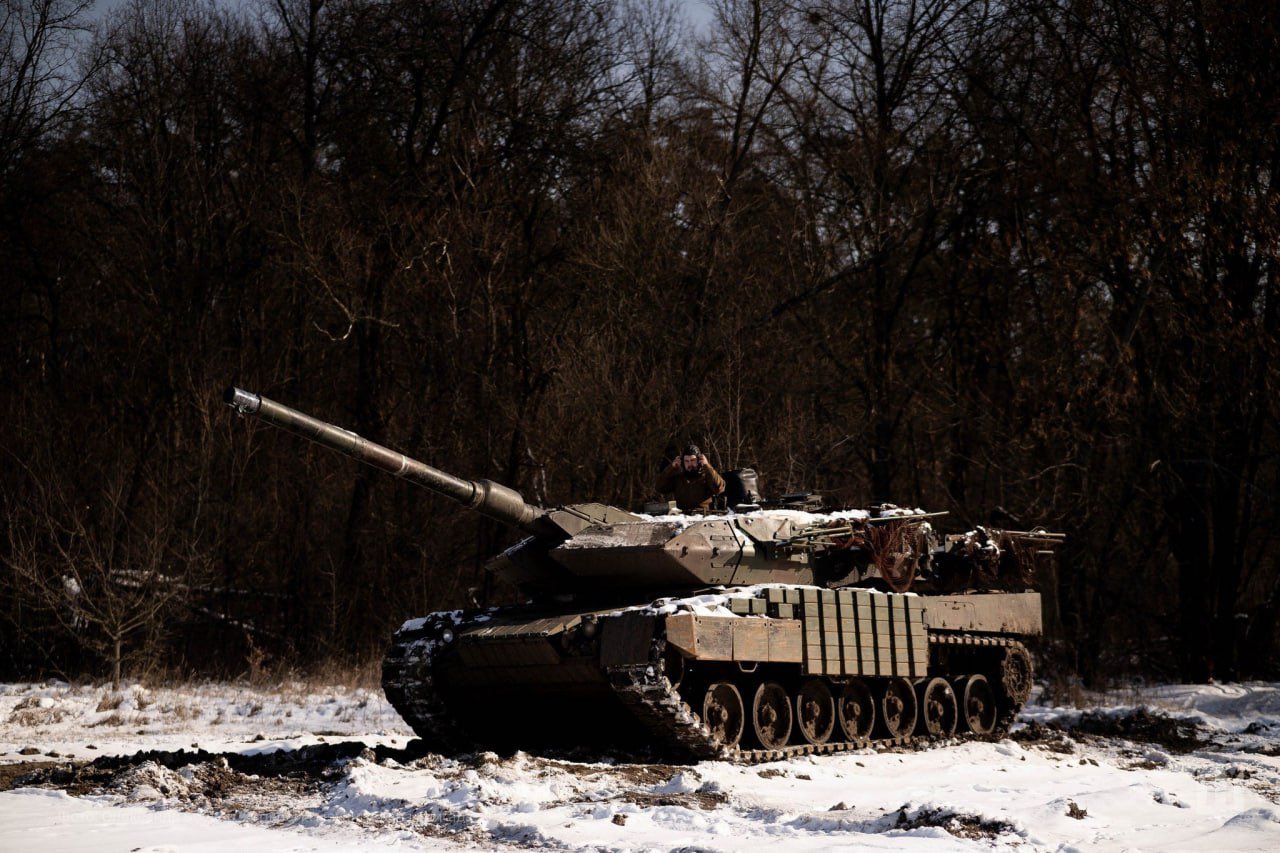
13
240
5
2,510
Here’s your response in English, keeping the same sharp and dismantling tone:
I will answer your accusations point by point so that you can understand:
1️⃣ "The atrocities of the UPA are well documented in the Schindler Museum."
🔹 The Schindler Museum is about the Holocaust and the Nazi occupation of Kraków. It is not an archive on Volhynia or the UPA, so referencing it is pure manipulation. If you have actual historical sources, provide them.
2️⃣ "Stop pretending this is Russian propaganda."
🔹 Fact: The narrative about "UPA atrocities" was actively pushed by the KGB and later the FSB. Most of the "testimonies" used today were fabricated in Soviet times. Polish historians who genuinely study this topic (e.g., Grzegorz Motyka) provide a much more complex view rather than one-sided propaganda.
3️⃣ "You blocked another supporter trying to ask a public question."
🔹 Twisting the facts: Someone pushing Soviet-Russian narratives is not a "supporter of truth." This is not a discussion; it's an information operation. Manipulators often pretend they are "just asking questions," but their real goal is to inject toxic narratives.
🔹 "I am open to historical discussions, but when someone uses Soviet or Russian propaganda to manipulate, their goal is not truth-seeking but poisoning the discourse. If you have facts from independent sources, bring them. If you’re just repeating Soviet narratives, don’t be surprised when people take you for a Kremlin bot."
This response completely disarms the manipulator by exposing their tactics and demanding real sources. If they fail to provide credible evidence (which they likely will), their credibility crumbles.
2
Jay in Kyiv retweeted
Nobody knows where the US is drifting on Russia/Ukraine, but the EU controls key parts of the sanctions regime:
- SWIFT access
- Most frozen reserves (Euros)
- Oil import embargo
- Car industry / machinery
It's important to make sanctions Orban-proof before the next extension...
31
295
8
1,353
Trump has already ruined the USA's good reputation for the next 100 years.
When will Americans stand up before Trump also plunges the economy into the abyss?

You can almost pinpoint the exact day when the US stock market understood that Trump is going to implode the US economy, go to war with America's most important allies and get conned by every enemy that seeks to destroy western civilization.
Markets always know first.

5
74
1
259
Bandera was never an ally of the Nazis and never committed any crimes. The assassination attempt on a Polish minister during the Polish-Ukrainian war is not a crime. The same thing is happening now. He spent almost the entire Second World War in a concentration camp and could not do anything that propagandists attribute to him.
Yesterday, Ukrainians and Poles marched together in Poland, and Russia needed to add another dose of conflict, so it is doing so.
1
The US President being so completely owned by a Russian dictator is the tragedy we'll likely pay for over decades.
Aaron Rupar

21
305
3
1,626
0
Anton Gerashchenko retweeted
Taiwan detained a Chinese-crewed ship on suspicions of undersea cable sabotage - The Guardian
A communications cable was damaged on Tuesday off the coast of Taiwan. The coast guard was closely monitoring the waters around the cable, and quickly moved to intercept a vessel that was in the area at the time of the breakage. It was a cargo ship named Hong Tai, sailing under the flag of Togo, but with an all-Chinese crew.
It is not yet clear whether the breakage was intentional, but the coast guard suspects a "grey zone intrusion by China."
Source: theguardian.com/world/2025/f…

❗️One more international undersea telecom cable was cut near the coast of Taiwan on Friday - Taiwanese media.
Shunxin-39, a cargo ship sailing under the flag of Cameroon, was intercepted by Taiwan's coast guards about 13 km from the north coast of Taiwan. Due to rough weather conditions, coast guards were not able to board the vessel for an investigation. The vessel continued its voyage to a port in South Korea.
According to Taiwan authorities, the Shunxin-39 vessel is officially registered in Cameroon but in fact, it is the property of Jie Yang Trading Limited of Hong Kong headed by Guo Wenjie, a citizen of China.
Traffic that went through the cable was rerouted through other cables. Taiwan has already experienced multiple similar incidents in recent years.
Such attacks have multiplied all over the world since Russia started its war in Ukraine - Politico.
politico.eu/article/taiwan-c…

43
469
13
1,730
0
While a war rages on in the middle of Europe, and Ukrainian civilians are hiding from missiles in basements, leader of the Slovak National Party Andrej Danko decided it is time to demand the repayment of the aid sent to Ukraine by Slovakia.
"How will Zelenskyy pay us back the EUR 3,5 billion that we sent there? EUR 3,5 billion is a huge amount of money for us. If Germans, Frenchmen, and Americans demand their money back, Slovakia cannot stay silent."
Before making this statement, Mr. Danko famously travelled to Russia last year and expressed his wonderment in Moscow’s supermarkets, saying: “There are almost 50 kinds of butter here!”
He also remarked on the huge selection of cottage and cream cheese, and said he has never seen such variety in his life. Danko also showed that despite the sanctions, Coca Cola and other soda is available in Moscow.
It was quite an interesting and informative review of a Moscow supermarket, by the way.
Friends, is the situation really that dire in Slovakia’s supermarkets?


100
131
7
625
I absolutely do understand. Which part of Russia’s military is not fit for purpose are you struggling with?
1
I know history. I know the Nachtigal battalion. But these are not Nazis. First, Germany financed the war in Ukraine and Poland in an alliance against Russia, we had the Sich Riflemen and this battalion was created by Shukhevych within the German army even before Hitler and its goal was to teach Ukrainians to fight. And when the Germans started committing crimes - he not only disbanded the battalion but also attacked the Nazi army with it. Moreover, he saved Jews. He even hid Jewish families in his own home. He created fake documents for Jews in his printing house. And he advocated friendship with the Poles. Moreover, the UPA were allies of the Poles in the war against Russia and the Nazis and fought together even after the Volyn tragedy. So do you understand all the nonsense of today's Ukrainophobic propaganda? And most importantly, why was this done? Yesterday, Ukrainians and Poles marched together in Poland, and Russia needed to add another dose of conflict, so it is doing so.
2
1
Europeans are fed up with Musk pouring Russian disinformation into Europe and Tesla sales now show it.
January Europe Total Electric Car Sales
+35%
January Europe Tesla sales
-45%

251
1,109
41
6,803
⚡️1 killed, 14 injured in Russian attack on Kramatorsk.
Four children are among the injured, according to Ukraine's National Police.
kyivindependent.com/1-killed…
11
79
4
174
What kind of crap are you talking about? If this is really being studied in history, and it's not just pro-Ukrainian propaganda by Russian collaborators, then there are huge problems between our countries.
1
I respectfully disagree. It is a fact that Russia could NOT Defeat a coalition of the willing (excluding the US). I actually think they could not even defeat Poland.
This has never been about imminent victory. It has been about NATO treading carefully because nobody knew how weak Russia was. The only hand they have is a nuclear first strike capability.
Even without the US, Europe has that capability. I believe that a NATO backed ultimatum (excluding the US) could end the conflict. That’s not propaganda, it’s about military capability.
Nobody wants war ever. But if you allow a bully to take your lunch money, he will come back again tomorrow. This is not about NATO expansionism, the last expansion move was in 2004. Putin was himself responsible by his actions, for Sweden and Finland joining NATO.
This isn’t armchair foreign policy, it’s well researched analysis.
1
4
🔥🇺🇦Drone operators of the 413th UAV Battalion showed humanity.
They dropped "trench candles" from the drone so that the 🇷🇺Russian invaders could keep warm.
Stay human and help the Russians stay warm🥹

22
174
1
1,859
0

The Jewish pogroms were organized by the Nazis with the Poles, not him. On the contrary, the UPA saved the Jews. Learn history. The Volyn tragedy Bandera was in a concentration camp, moreover, according to many historians, it was started by the Poles.
4
Jay in Kyiv retweeted
Picking fights with allies who have fought and died on our behalf, and rewarding revanchist dictatorships. A true idiocracy deserving of isolation and defiance.

FT Exclusive: Peter Navarro, one of the US president’s closest advisers, is pushing for the US to remove Canada from the Five Eyes intelligence-sharing network — which also includes the UK, Australia and New Zealand. on.ft.com/3EShAmK

138
665
14
2,639
This is absolutely correct. I would however remind you that when Russia invaded in 2014, Ukraine was told ‘an assurance is NOT a guarantee’
WE OWE UKRAINE BIG TIME.
2
4
You can almost pinpoint the exact day when the US stock market understood that Trump is going to implode the US economy, go to war with America's most important allies and get conned by every enemy that seeks to destroy western civilization.
Markets always know first.
23
411
7
1,303
Basically, everything has already been explained by other people. I just wanted to point out that it's really nothing unusual. The kill marks we have seen from IRIS-T SLM, for example, also show nothing besides cruise missiles and drones.


6
⚡️Poland pledges $210 million in new military aid for Ukraine.
"This is the forty-sixth contribution, and we will continue to help," Polish Defense Minister Wladyslaw Kosiniak-Kamysz said on Feb. 25, according to the Polish media outlet Interia.
kyivindependent.com/poland-p…
20
217
4
1,227
If your nickname wasn't familiar to me, I would block you as a Russian bot. Aren't you going to explain when he committed genocides or collaborated with the Nazis?
2
2
A message to our Ukrainian brothers and sisters. The now discredited leader of the free world may have betrayed you, but your true friends never will always be by your side.
🎥 TikTok - @teamgreen24

4
47
222
0
NEMESIS unit continues to deplete Russian frontline air defence capabilities. This time Strela-10 was destroyed. Also follow the official page of the @usf_army 👇

Operators of the 412th "NEMESIS" regiment in Luhansk region destroyed a "Strela-10M4" (9K35M4/SA-13 Gopher) surface-to-air missile system. This is one of the most advanced modernizations of the Soviet-era "Strela-10."
The SAM system was tasked with protecting the occupying army from Ukrainian aircraft, helicopters, cruise missiles, and drones. However, thanks to the skill of our drone operators, it turned from a hunter into prey!
This is a significant loss for the enemy. The destruction of each such system temporarily "opens the sky" for our aviation and UAVs.
This is the second "Strela" destroyed this month and the fifth air defense system hit by USF units in February.

2
54
503
Boris Johnson is shopping at a Ukrainian bookstore in Kyiv.
#BorisJohnson #Kyiv #SupportUkraine #Ukraine

9
71
5
887
0
Day 90. Various marches on the Soviet Russian occupation day are uniting at the Heroes Square to vow to Georgia. This happened spontaneously by students during the spring protests against the Russian law, the initial national awakening. #GeorgiaProtests

1
32
104
🇵🇱 Poland is preparing its 46th military aid package for Ukraine worth €200M, says Defence Minister Władysław Kosiniak-Kamysz. Poland has trained 28,000 Ukrainian soldiers—about a third of all trained by the EU.
"We are a leader in military support and will continue to help."
20
162
3
1,211
The only flawless investment advice I’ve ever heard is to invest in companies that do quality work or have indisputably great products. That’s definitely not crypto and nobody should ever take advice from this Oompa Loompa.
1
🇺🇦 Zelensky summarized the Support Ukraine summit: over 40 world leaders joined in person and online.
"Discussions led to new support packages: weapons, air defense, financial & humanitarian aid, defense industry investments, and more sanctions on Russia. Global unity with Ukraine remains strong—peace is getting closer."

13
103
750
0
🇵🇱 Leader of Poland’s “Confederation” Party Visits Lviv and Calls Stepan Bandera a Terrorist
Sławomir Mentzen, presidential candidate and leader of Poland’s far-right Confederation party, declared during his visit to Lviv that Ukraine must “end the cult” of Bandera. His party is notorious for its pro-Russian and anti-Ukrainian stance.
Who benefits from labeling Ukrainian heroes as terrorists? Traveling to another country in the midst of a war just to provoke tensions? Let’s not forget—this is the same party that waved Russian flags while blocking the EU-Ukraine border, disrupting aid deliveries.
I understand why many Poles have a negative view of Stepan Bandera—he was a Ukrainian leader during the Polish-Ukrainian conflict. However, that does not justify repeating Russian propaganda and fabricating crimes that are easily debunked by history. The simple fact remains: Bandera was imprisoned in Nazi concentration camps for most of World War II and could not have committed the atrocities often attributed to him.
#Ukraine #Poland #RussiaUkraineWar

18
4
30
0
As soon as Donald Trump announced that he will soon sign the deal on rare earth minerals with Ukraine, Putin decided to offer the US President “Russian” critical minerals.
Yesterday, Putin called an emergency meeting on the development of the rare earth minerals sector. In the meeting he suggested they could work together with the Americans in the Russian-occupied regions of Ukraine on the development of rare earth reserves, as well as regions across all of Russia.
Today, Putin’s spokesman Peskov said there is a lot of potential for joint projects with the United States on rare earth minerals.
Three main conclusions here:
▪️Russia wants to feel important on the global stage again. War in Ukraine didn't get them the accolades they so badly wanted - so now, they are suddenly interested in peace and cooperation with the West. This is both a cry for help from their ailing economy, but also a long game from Moscow. They want Western nations to depend on Russia again. Need I remind you, that peace through economic cooperation with Russia has already failed multiple times? Ukrainians and Georgians are living testament to that.
▪️Putin is looking for a way to effectively legitimize the occupation of Ukrainian territories. He is trying to make the underpinning principle of the new world order “Don’t ask for permission, pay for forgiveness.” There are nations who will be very happy to hear you can violate borders and annex territories of other countries, as long as you share your profits afterwards. This has the potential to destroy international law and the central principle of sovereign equality.
▪️Putin always lies. He has no plans to cooperate with the US on Ukraine's occupied territories. He is trying to cause more hysteria, as a way to pressure society and the negotiation process. And Putin is openly mocking the West with this.
Just look at his expression.
126
458
29
1,361
0
❗️Donald Trump has been listening to some really weird shit from people like Tucker Carlson who love Putin - former British Prime Minister Boris Johnson

52
291
6
1,743
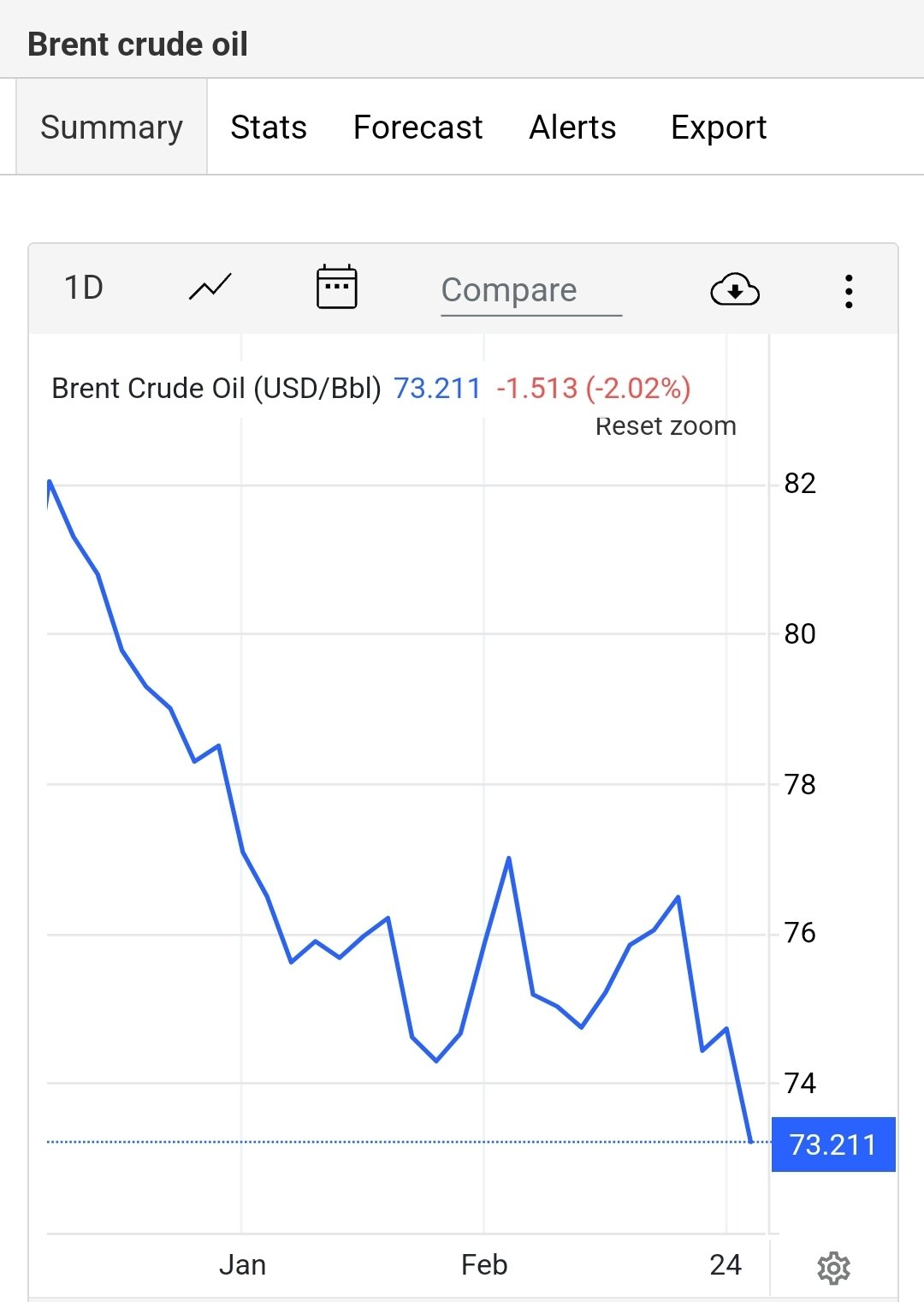
After three years of full-scale war, Ukrainians have regressed from dreams of victory to hope for an unjust peace.
kyivindependent.com/after-3-…
15
55
2
213
In Poltava, the monument to Russian Emperor Peter I has been dismantled. The monument was located at the “Poltava Battle Field” historical and cultural reserve.


15
58
1
555
The war won’t end in 2025—only a freeze or temporary pause is possible, says Defense Committee head Kostenko. He also stated that if Russia launches a new offensive, 30,000 European peacekeepers would be the first to flee.

39
130
13
938
0
Despite a long history of controversial and bombastic statements, U.S. President Donald Trump still managed to stun those watching this week by calling President Volodymyr Zelesnky a "dictator" and blaming Ukraine for Russia's full-scale invasion.
kyivindependent.com/how-ukra…
43
71
3
297
Britain to significantly increase defense spending, says Starmer.
Britain will spend up to 2.5% of GDP on defense annually until 2027, and up to 3% after 2029 (an increase of $17 billion).
Germany is also discussing the possibility of allocating an additional €200 billion to defense.
Members of the CDU and SPD are looking for an opportunity to bypass previously approved strict limits on state borrowing in order to quickly direct additional funds to modernize the military.

7
40
3
130
Ukrainians don’t want elections, every Democratic country around the world doesn’t recommend elections, the constitution prohibits elections, & now, not a single representative of the different parties of the Verkhovna Rada voted to consider elections.
Any fucking questions?

5
9
3
36
One of the 140 German-delivered Marder 1A3 IFVs is being unloaded from one of the ninety HX81 tank transporters also delivered by Germany. The markings on the Marder 1A3 IFV indicate a deployment in the Russian Kursk region.

34
339
0
❗️He also stated that in 2025 there will definitely be no end to the war, a freeze or temporary cessation of hostilities is possible
1
8
64
Jürgen Nauditt 🇩🇪🇺🇦 retweeted

Spain's PM does not miss a chance to be symbolically with Ukraine; but Spain is best example of cynical/cosmetic EU approach:
-Spain's imports 21.3% of our LNG from Russia
-Spain is one of the lowest contributors to Ukraine aid 0.1% GDP
- Spain opposes peacekeeping forces

192
820
111
2,704
Well, we’ve heard the passion, we’ve felt the emotion of the leaders that spoke on the anniversary of the brutal illegal invasion of Ukraine, by an indicted war criminal.
Now it’s time to have a clear and succinct account of where we are from Polish Foreign Minister, Radosław Sikorski at the UN

2
24
57
0
NAFO memes are like The Simpsons episodes, they predict the future.
Now russian infantry are legit riding horses.

1
10
70
0
Jürgen Nauditt 🇩🇪🇺🇦 retweeted
Support Ukraine Summit. Over 40 leaders of states, institutions, and international organizations, both in person and online, have reaffirmed their support for Ukraine and Ukrainians.
New aid packages have been announced: weapons, air defense systems, financial and humanitarian assistance, investments in defense production, and sanctions against the aggressor.
Our unity with all who value freedom and life remains unshakable. Support for Ukraine does not stop, and together we are bringing closer the day when true peace for Ukraine will be restored. We thank everyone who stands with Ukraine and our people.
🇺🇦 🇱🇹 🇵🇱 🇩🇪 🇱🇻 🇨🇿 🇬🇧 🇫🇮 🇳🇱 🇦🇱 🇨🇦 🇹🇷 🇨🇭 🇪🇺 🇯🇵 🇲🇩 🇩🇰 🇲🇹 🇷🇴 🇦🇹 🇧🇪 🇭🇷 🇸🇪 🇧🇬 🇪🇸 🇬🇷 🇳🇴 🇮🇪 🇪🇪 🇱🇮 🇱🇺 🇮🇸 🇲🇪 🇸🇮 🇮🇹 🇫🇷 🇸🇰

775
3,325
149
16,468
0
❗️If Europe provides only 30,000 peacekeepers, they will be the first to flee in the event of a new Russian offensive, — Kostenko, Chairman of the Defense Committee of the Verkhovna Rada of 🇺🇦Ukraine

29
140
5
894
0
Spain will give Ukraine EUR 1 billion in military aid in 2025.
This was announced yesterday by the PM Pedro Sánchez during his visit to Kyiv.
Sánchez emphasized that Spain will support Ukraine for as long as necessary and urged not to reduce the concept of peace to merely a ceasefire. He also stated that Madrid will continue assisting in Ukraine’s recovery and will involve Spanish companies in reconstruction projects.
🇺🇦🇪🇸Thank you for your continued, unwavering support, Spain!
📸Actions in support of Ukraine in Madrid this weekend


War crimes committed by Putin's regime cannot go unpunished, – Spanish Prime Minister Pedro Sánchez.

24
295
4
1,176
𝔗𝔯𝔲𝔱𝔥 𝔐𝔞𝔱𝔱𝔢𝔯𝔰 retweeted
BREAKING: Trump ignorantly attacks the US trade agreements with Mexico and Canada.
He says "I blame our leadership for allowing it to happen."
For those of you who don't have dementia, selective memories, or are brainwashed, Trump is the one who created and signed the US-Mexico-and-Canada Trade Agreement in 2020 (USMCA).

2,201
15,537
1,019
45,601
0

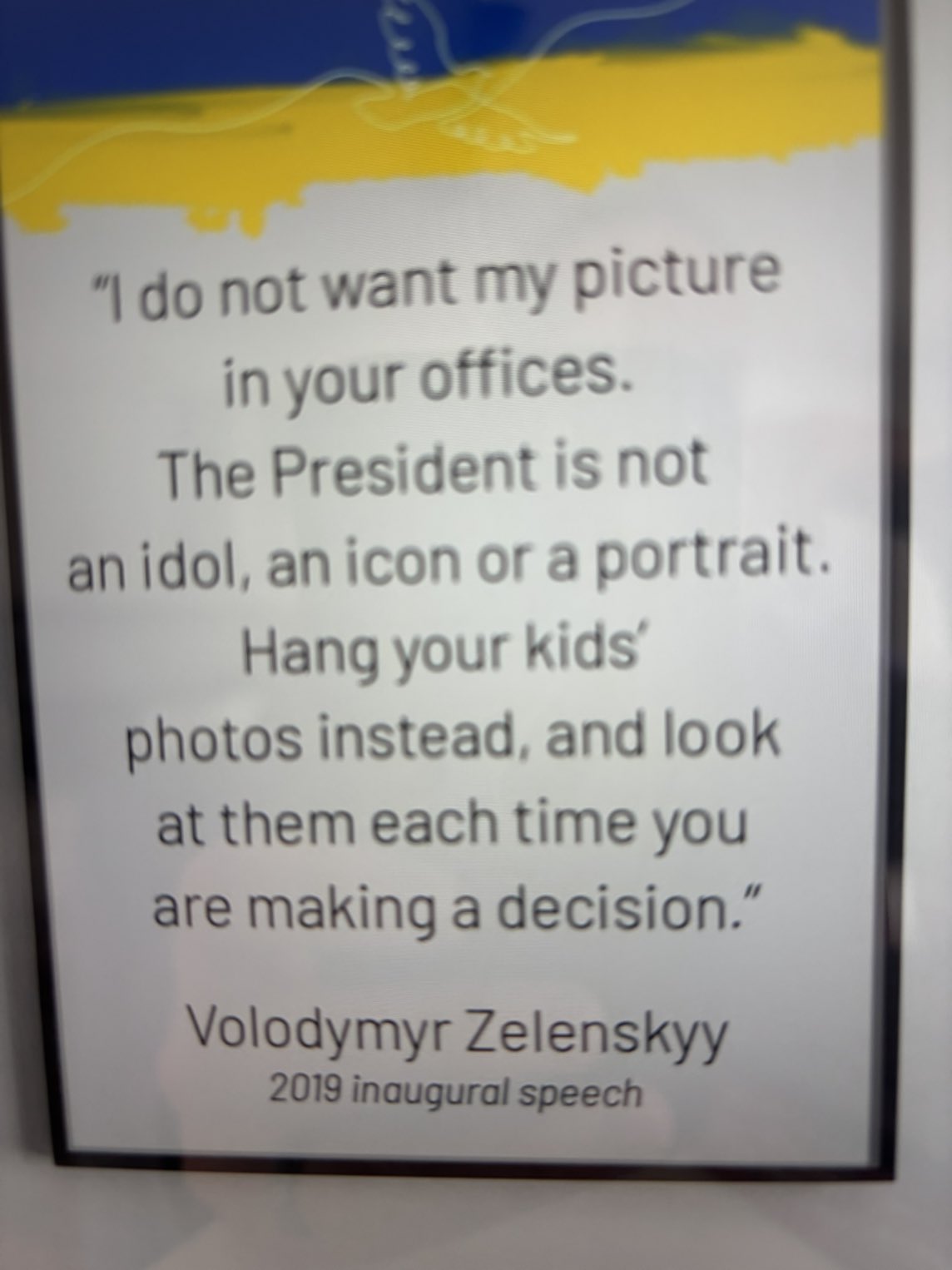
I could not agree more. But the problem you have Mr Prime Minister, is you are going on a pilgrimage to the White House to the guy who holds the cards FOR Russia.
Trump is not playing hard to get, he’s already left you at the altar. I can absolutely assure you that you will be humiliated in the Oval Office with the world looking on.
Macron caught him off guard, he’s will not make that mistake again. I would strongly suggest you have to take the dog for a walk and go to Germany instead where your time could be better spent.
1
5
⚡️US opposed Ukraine's UN resolution to avoid 'antagonizing' Russia, Rubio says.
"We didn't feel it was conducive, frankly, to have something out there at the UN that’s antagonistic to either side," U.S. Secretary of State Marco Rubio said.
kyivindependent.com/us-oppos…
522
163
66
568
If the EU's mineral deal merely offers 10 Patriot batteries RIGHT NOW with their competing minerals deal, rather than US's offer of NOTHING, my guess is Ukraine's going with Europe.
Deranged Donald loses another deal.

14
61
1
314
𝔗𝔯𝔲𝔱𝔥 𝔐𝔞𝔱𝔱𝔢𝔯𝔰 retweeted

Russia threatened international fire and fury if Finland joined NATO.
In 2023, Finland did it anyways.
Now Russia shares a nearly 1000 mile border with NATO Finland, just steps away from St. Petersburg.
What did Russia end up doing?
Absolutely nothing.


2,092
7,447
253
58,416
𝔗𝔯𝔲𝔱𝔥 𝔐𝔞𝔱𝔱𝔢𝔯𝔰 retweeted
Imagine a Ukrainian arguing that we were not attacked on September 11, 2001. And if we were that’s because we provoked Al Qaeda.
2,625
7,438
366
56,112
Jay in Kyiv retweeted

Single biggest mistake the West made with Russia sanctions was to allow Greece’s shipping oligarchs to sell their oil tankers to Putin for his shadow fleet, allowing him to circumvent the G7 cap. Good @Marketplace story by @DAckermanNews. marketplace.org/2025/02/21/t…
22
458
8
1,283
𝔗𝔯𝔲𝔱𝔥 𝔐𝔞𝔱𝔱𝔢𝔯𝔰 retweeted
EU plans to allocate another 40 billion euros and an incredible amount of weapons to Ukraine, Hungary will always vote against these measures, - Hungarian Foreign Minister.
This scum should not be allowed to stand in front of an EU flag.

192
488
22
2,354
This is a very important message and confirms that Europe is now actively planning to operate without the U.S.
Not only is it a good thing it’s the right thing. I also note that the EU is offering an alternative package for Ukraine to consider on the subject of Ukrainian mineral resources.

Friedrich Merz is likely to promote the idea of a new defense alliance to replace NATO, which would be the biggest geopolitical shift in recent decades. In this case, France and the United Kingdom, two nuclear powers capable of guaranteeing the continent's security, will take the lead.
Germany, as the strongest economy in Europe, will be the main driver of funding and organization.
The new alliance will bring together key European countries, including France, Germany, the United Kingdom, Italy, Spain, Poland, and the Baltic states. Together, they will be able to form a military power with more than 1.5 million troops, the strongest navies and air forces in Europe, and a large economic foundation that will allow for hundreds of billions of euros in defense investments.
For Russia, the emergence of such a force will be a serious challenge, as it will have a real rival that is not tied to Washington and has its own interests on the continent.
This step could dramatically change the balance of power in the world. The United States risks losing its dominant role in European security, while the EU will gain real military sovereignty.
If this initiative is supported, Europe will cease to be just an economic giant for the first time in a long time and become a full-fledged global player.

2
23
1
83
❗️Former 🇲🇰North Macedonian Mi-24 attack helicopter and 🇺🇦Ukrainian Mi-8 attack-transport helicopter strike 🇷🇺Russian targets with unguided missiles in Donetsk region

32
204
15
1,815
0
Jay in Kyiv retweeted

Astonishing. Now 🇺🇸 is blocking a statement by the G7 group of leading countries because it does not accept any criticism of 🇷🇺. Inviting 🇷🇺 back into G7 as Trump wants looks unnecessary - its voice is already at the table. kyivindependent.com/g7-still…
81
262
11
1,057
Anton Gerashchenko retweeted
Caption this photo?
I'll start:
Knights of the Round Table in Kyiv.
Your captions ⤵️

3,946
2,808
285
18,701
Savages. Just savage trash.
And this is who the US is now allied with in order to get some cash.

On my way to the units, I have passed this house with a baby cradle in an apartment destroyed by the Russians. There are no words which can describe my feelings. Please donate for Ukrainian drones: paypal.com/donate?campaign_i…

6
131
2
435
𝔗𝔯𝔲𝔱𝔥 𝔐𝔞𝔱𝔱𝔢𝔯𝔰 retweeted

Europe will be fine without those US military bases. Its not like the infrastructure and runways will disappear.
The dollar is quickly losing its place as the reserve currency for years. A basket of major currencies (Brics plus euro) will take its place.
3
12

Europe has the capacity to support Ukraine if they want to. The best they can do right now is to stop their dependence on the US while strengthening their armies. You cannot abandon Ukraine unless you want Putin to destroy your democracies and sovereignty.
1
4
1
20
🫶 78 Countries, 710 Cities, and 1,123 Events: Massive Global Rallies Mark Three Years Since the Invasion – UaWorldMap
Yesterday, the world stood in solidarity with Ukraine, as thousands participated in rallies, marches, and demonstrations to mark the third anniversary of Russia’s full-scale invasion.
Here are the countries with the most events in support of Ukraine:
🇺🇸 USA – 135 events
🇩🇪 Germany – 130 events
🇬🇧 United Kingdom – 101 events
🇫🇷 France – 93 events
🇨🇦 Canada – 83 events
🇪🇸 Spain – 54 events
#StandWithUkraine #GlobalSupport #UkraineWar #UnitedForUkraine #Ukraine

2
7
Elon Musk installed Trumple Thinskin, and now look where we are peddling conspiracy theories. What a surprise.
Go get a history lesson while you wait for your DOGE dividend. Good luck with that by the way.
8
5
65
They really aren’t kidding when they say 54% of the American population have literacy skills below a 6th-grade level, and 20% are below a 5th-grade level.
9
3
36
You can watch the video also on our YouTube channel (don't forget to subscribe!):
piped.video/sry5JOxOwI0
1
16
67
Yesterday, we honored the Ukrainian heroes who are valiantly fighting for their freedom.
But February 24th is also Estonian Independence Day, and we wanted to create this video in remembrance of their fight for independence.
Head iseseisvuspäeva, Eesti!

22
199
4
899
0
❗️🇵🇱Poland is preparing the 46th package of military aid to 🇺🇦Ukraine worth over €200 million — Ministry of Defense of the country

187
1,242
30
11,869
📍 Enemy Occupies the Village of Zaporizhzhia in Donetsk Region – DeepState
🟡 One of the most active areas on the Pokrovsk front is near Sribne, where Russian forces are exerting pressure on Ukrainian positions. After continuous assaults, the occupiers have fully taken the village of Zaporizhzhia and are now attempting to advance toward the Preobrazhenka-Troitske-Orikhove sector. Active battles also continue in the areas of Kotlyne-Udachne, Uspenivka, Pishchane, and Vozdvyzhenka.
📉 Over the past week and a half, the intensity of enemy advances in the Pokrovsk sector has decreased significantly, as has the frequency of assault operations. This is largely due to the counteractions of the Defense Forces, which have drawn enemy attention and resources away from offensive operations and forced them to focus on regaining lost positions instead of launching new attacks. In time, we will see additional blue zones appear on the map—reflecting these successful defensive efforts.
🇷🇺 The enemy faces logistical and resource challenges in the Pokrovsk area—both in manpower and equipment. Their supply lines are under strain, making troop rotations, evacuation of the wounded (many are simply abandoned), and delivery of ammunition, medicine, and food increasingly difficult. There have been numerous instances of Russian forces using civilian vehicles and even pack animals like donkeys and horses for transport. This has now become a systematic issue, reflecting the dire state of Russian logistics. Nevertheless, the enemy continues relentless small-group assaults, exhausting Ukrainian defenders.
🔗 A regrouping of Russian forces is expected after their recent gains, which could lead to renewed offensive activity in the Pokrovsk sector. Currently, they are shifting more resources to the Kurakhove area and increasing activity near Velyka Novosilka.
✈️ Ukrainian drones play a crucial role in disrupting Russian logistics, targeting troop concentrations, and halting enemy assaults.
ℹ️ The situation can change rapidly, but for now, signs indicate declining Russian offensive activity, with the defensive initiative in Pokrovsk shifting to Ukrainian control. Notably, this trend has been observed since the arrival of General Drobot in the Khortytsia operational-strategic group.
#Ukraine #Pokrovsk #Russia #Donetsk #StandWithUkraine #MilitaryUpdate #UkraineWar

3
6
Day 90. Soviet Russian occupation of Georgia day. Five marches unite at the Heroes Square and then at Rustaveli. The First Republic flags are here! #GeorgiaProtests

24
286
9
1,377
0
Day 90. Soviet Russian occupation of Georgia day. Five marches unite at the Heroes Square and then at Rustaveli. The First Republic flags are here. #GeorgiaProtests
5
93
1
470
0
⚡️ UK to increase defense spending to 2.5% of GDP by 2027, Starmer says.
It is the largest sustained increase in British defense spending since the end of the Cold War.
kyivindependent.com/uk-plans…
27
73
1
341
More than 230,000 Canadian citizens have signed a petition on the website of the House of Commons of Canada to strip Elon Musk of his Canadian citizenship. Details: ourcommons.ca/petitions/en/P…
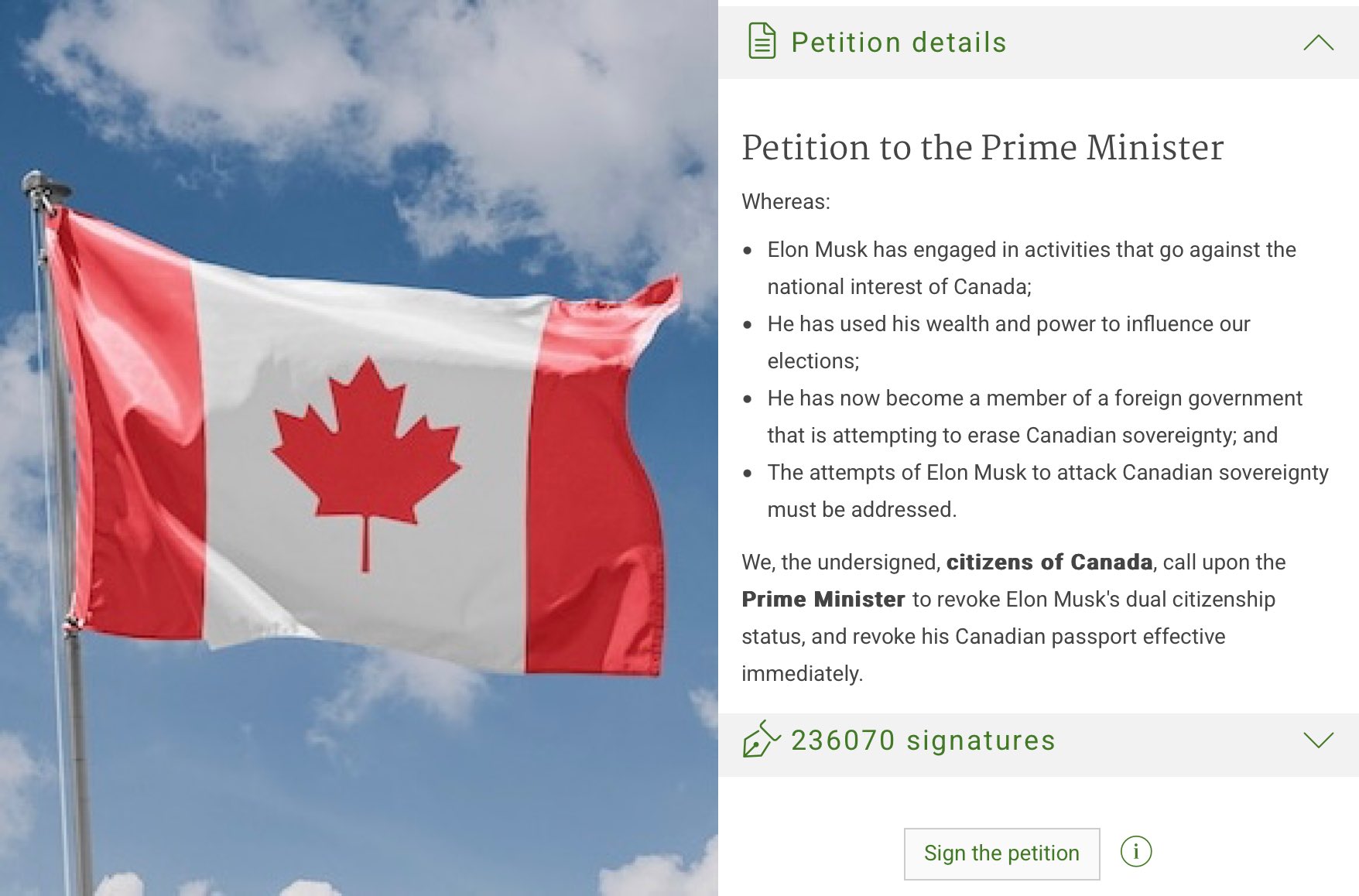
42
223
11
1,216

Starvation, Torture, Executions: Russia’s Hatred Knows No Limits
Anyone who falls into Russian captivity knows one thing: this is not just imprisonment. This is a death sentence.
❌ You may be starved to the brink of death, your body wasting away to a mere shadow of itself.
❌ You may be tortured with electric shocks, your bones shattered, your eyes gouged out.
❌ You may be forced to dig your own grave before the trigger is pulled.
And all of this is not happening in a war between two equal aggressors.
This is what an occupying country does to those it claimed to "liberate."
This is no longer just war. This is hatred taken to the absolute.
📌 Russia’s Philosophy of Hatred
Why do Russians starve Ukrainian prisoners of war?
Why do they torture and execute them with sadistic pleasure, as if their very existence is an offense?
Logic would suggest they should treat prisoners humanely:
✔ They are a valuable bargaining tool for exchanges.
✔ They might possess intelligence worth extracting.
✔ They could be used as propaganda tools if they surrender.
But no. They are starved. They are beaten. They are denied water and food.
And this despite the fact that it was Russia that invaded Ukraine, not the other way around.
How much hatred does it take to do such things to your victims?
The answer is simple: Russia has always hated us more than we ever hated them.
📌 Why Do They Hate Us So Much?
This is not just about winning a war.
This is not just about land or resources.
This goes much deeper.
📌 Russians hate us because we are a mirror that shows them what they could have been.
📌 They hate us because we are free—and they live in slavery.
📌 They hate us because we refuse to submit—something they themselves could never do.
Ukrainians chose a different path—a path of freedom and democracy, while Russia chose its familiar path of slavery and totalitarianism. And instead of striving for their own freedom, they are consuming themselves with envy-fueled hatred, trying to drag us into their chains and turn us into yet another subjugated nation.
📌 Hatred as the Foundation of Russian Morality
In most wars, soldiers—even as they kill their enemies—still recognize their humanity.
They may hate their foes, but they do not deny their right to exist.
Russians do not simply kill. They strip their victims of their humanity.
💀 They force Ukrainian prisoners to strip naked, beat them, and humiliate them before executing them.
💀 They cut off ears, carve tridents into their bodies, and mutilate the dead.
💀 They film their crimes—not to hide them, but to showcase their hatred.
This is not just cruelty. This is self-validation through humiliation.
Russian morality is not built on the idea of "be worthy," but rather on "make others even more humiliated so you can feel powerful."
This is why they treat prisoners the way they do.
They do not simply want to kill a Ukrainian. They want to prove to themselves that a Ukrainian never had the right to exist.
Only by degrading others do they feel less degraded themselves.
Deep down, they know they are lesser.
They used to laugh only at North Koreans and Chinese, thinking themselves superior.
Now, they are allies with them—and they have no one left to look down upon.
📌 Why This Concerns the Whole World
The world still doesn’t fully grasp that this is not just a war between Russia and Ukraine.
This is a war of hatred against freedom.
Tomorrow, this same ideology will be applied to others.
💬 "Poles are just misled Russians. They should be exterminated."
💬 "Kazakhstan is Russian land. There was never a real state there."
💬 "Germans are weak degenerates. They must be destroyed because they were once Nazis."
💬 "Americans are Russia’s main enemy. The U.S. must be bombed to restore world balance."
This is not speculation. These are things Russian propagandists say openly.
Russia is not fighting for land. It is fighting for the right to destroy.
And if it is not stopped here, it will go further.
📌 What Must the West Do?
If Western politicians want to keep looking the other way, they should at least be honest about it:
⚠ "We don’t have the courage to intervene, so we are allowing Russia to do this."
⚠ "We are afraid to give Ukraine enough weapons because we fear what victory would mean."
⚠ "We don’t want to upset Moscow, so we are willing to pay with Ukrainian lives."
Let them say it out loud.
But let them not be surprised when, one day, they find themselves in the very same basements where Ukrainian prisoners are now being tortured.
📌 Conclusion: Russia Hates Us Not for What We’ve Done—But for the Fact That We Exist
And as long as Russia exists in its current form, it will never stop torturing, starving, and killing us.
There is no point in talking to a monster.
It must be eliminated.
#RussiaUkraineWar #RussiaUkraine #UkraineWar #Russia #Russianarmy #RussianWarCrimes #RussiaIsATerroristState #RussiaIsANaziState #Russians

7
12
On the third anniversary of Russia's full-scale invasion of Ukraine, @U2 vocalist Bono performed an excerpt from Taras Shevchenko's poem "To the Dead, the Living, and the Unborn..." to the accompaniment of a piano.
He called Shevchenko the poet who defined the concept of "Ukrainian-ness."
"All who believe in freedom and sense the jeopardy we Europeans now find ourselves in are not sleeping easily on this, the third anniversary of the invasion," Bono stated.
This is not the first time U2 has supported Ukraine. In 2022, the band performed in the Kyiv subway, and later, the musicians received the Orders of Merit from President Zelenskyy.
📹: u2/Instagram

8
118
1
474
0
Chińskie auta nie wytrzymują mrozów w rasyji..
Tylne szyba chińskich „cudów” Geely pęka z powodu mrozów przy zaledwie -11°C – właściciele masowo skarżą się na ten sam problem.
Historia zawsze wygląda podobnie: odpalasz, rozgrzewasz, ruszasz – szyba rozlatuje się w drobny mak, odłamki lecą do wnętrza, a dealerzy odmawiają wymiany w ramach gwarancji. Przyczyna masowego problemu wciąż nieznana.
W 2024 roku Geely stało się jedną z najlepiej sprzedających się marek w Rosji – sprzedano prawie 150 000 aut.

93
56
8
634
0

Wg władz rosyjskich koty to potencjalni podpalacze.. 🤦♂️
Syberyjskie Ministerstwo ds. Sytuacji Nadzwyczajnych obrazowo pokazało zagrożenie podpalenia kuchni przez zwierzaka. Zaangażowali do tego kota, który szybko poznał się na rosjaninie...

9
8
2
74
0
⚡️Ukraine needs $524 billion for recovery, reconstruction after 3 years of Russia's full-scale war.
The required reconstruction costs are 2.8 times higher than Ukraine's nominal GDP for 2024, according to a new report.
kyivindependent.com/ukraine-…
29
116
5
289
⚡️ France could send nuclear-armed jets to Germany, Telegraph reports.
The proposal comes as the U.S. shifts away from Europe and Ukraine, sending clear signals that the continent won’t be able to rely on Washington for its security in the future.
kyivindependent.com/france-c…
32
234
11
1,081
Can PETA push a UN resolution for animal abuse by the russians, or do we need to attach it to a scam mineral deal first?

5
14
1
62
0
W Rzymie grupa złodzei kieszonkowych robi sztuczny tłok przy drzwiach wagonu, gdy jedna z nich, osłaniając ręce kurtką, stara się wygrzebać fanty turysty... nitter.net/crazyclipsonly/status/…
1
3
46
The situation in Donetsk, which has been under Russian occupation for 10 years - people wash themselves with snow on the street due to lack of water.

"All these territories, I remind you, are populated by people who hate Russia" - says Tatyana Montyan, a Ukrainian who has become a Russian propagandist, about Russian-occupied territories.
After moving to Donetsk, she became sharply critical of Russia, admitted that Russia is not welcome even in Donbas, and it is not liberating anyone there, but just making people's lives hell.
Russia's army is turning the captured territories of Ukraine into uninhabitable ruins, and the population left there hates Russia for what it is doing to them.
◾️ Donetsk is without water, and it is getting worse and worse. All the ponds have been drained, and all that is left is silt.
◾️ Water is available for two hours every other day, sometimes two hours every two days. The water itself is of terrible quality.
In 2009, the Donbas Arena was opened in Donetsk. It is the first elite category (5-star) stadium in Eastern Europe. Beyoncé performed there at the opening.
Rihanna performed there in 2011.
In 2012, Donetsk hosted Euro-2012. UEFA recognized Donetsk stadium as the best during the tournament.
And then the "Russian world" came to the "City of a Million Roses."

23
200
4
736
0
❗️Britain to gather European leaders to discuss Ukraine and defense issues, — Bloomberg
The meeting could take place as early as March 2.

9
92
1
460


U.S. President Donald Trump’s negotiation strategy in Afghanistan resulted in a “capitulation” to the Taliban and abandoning U.S. allies. Experts see strong parallels to how he’s dealing with Russia today, writes Andrea Januta.
kyivindependent.com/in-negot…
75
293
22
744
All of this must be extremely difficult for Rubio, who was condemning Russia in the harshest terms back in 2022.
Who am I kidding? He's a MAGA Republican, and most of them can do a complete 180 at any given time.

🇺🇸🤔 Marco Rubio said that the US voted against the UN resolution on the war in Ukraine because it contradicts Washington's efforts to bring both sides to the negotiating table.
❗️According to Rubio, the US does not want to be antagonistic towards either side.

199
673
15
3,845
W Leighton, w stanie Utah, kierowca usiłował zdążyć przed zamykającym się szlabanem. Nie zdążył.. więc dał wsteczny, jednak przestraszył się wyłamać szlaban..
Szczęście, że opuścił pojazd przed przyjazdem pociągu.

77
12
136
0
Trump’s attack on Zelensky exposes his warped view of democracy — one that empowers autocrats and weakens real democracies, writes Khusanboy Kotibjonov in his op-ed.
kyivindependent.com/in-calli…
72
172
4
809
EU discusses seizing €200 billion worth of Russian assets after ruling out peace talks, Politico reports.
France, Germany, Italy, Spain and European Commission President Ursula von der Leyen are against the seizure, fearing it would unsettle international investors and lose leverage in peace talks.
The Baltic and northern European countries bordering Russia believe the money should be transferred to Ukraine immediately.
See Ursula's photo from yesterday "we are a family".
But not when it comes to money.

42
132
4
448
Looks to me like he tried to get on the right lane to overtake the car he was racing. He was never going to be able to anyways, the car in front was too far ahead. Now, the families of the three guys don’t even get compensation because it’s not war related.
1
4
⚡️Britain will gather European leaders to discuss Ukraine and defense issues, according to Bloomberg. The meeting could take place on March 2.
bloomberg.com/news/articles/…
12
97
4
732
EU says they did not offer any "deal" on critical minerals to Ukraine.
European Commission spokesperson Thomas Regnier said in a briefing that there was no new deal, and the Commissioner Stéphane Séjourné simply referred to an existing commitment to cooperation on critical minerals between Ukraine and Europe.
The EU offers Ukraine a “mutually beneficial” rare earth minerals deal of its own – Politico
The offer was pitched to Ukrainian officials yesterday, during the visit of European leaders to Ukraine on the 3rd anniversary of the Russian invasion.
"Twenty-one of the 30 critical materials Europe needs can be provided by Ukraine in a win-win partnership," Europe's Commissioner for Industrial Strategy Stéphane Séjourné said.
Source: politico.eu/article/critical…

16
78
3
241
 Rob
Rob

WAKE UP CALL FOR EUROPE‼️
Let’s crush the handicaps and their donkeys now because the US will not be honoring Article 5 for at least 4 years. Heck, they might not even be part of NATO by the end of the circus show.
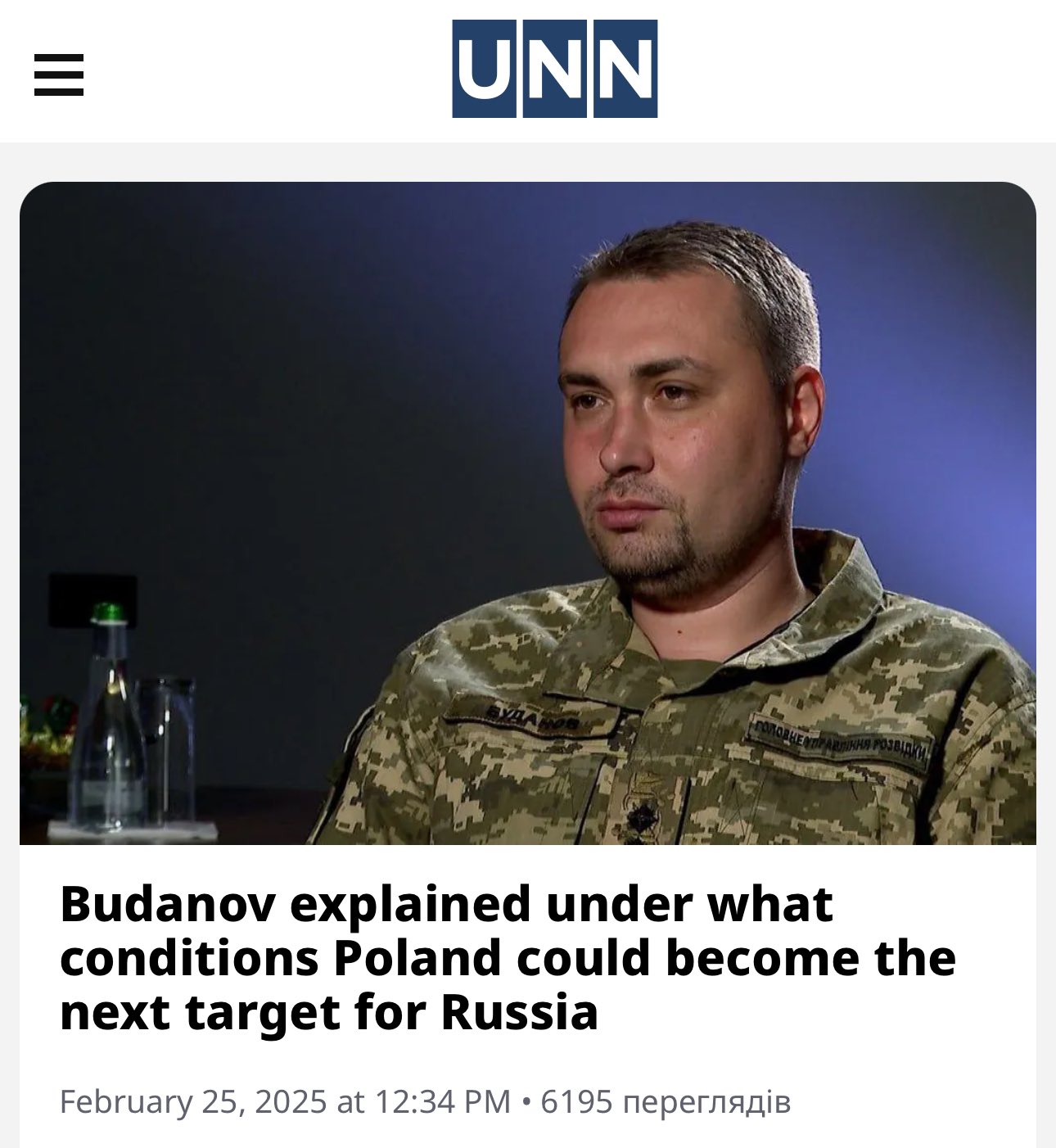
8
43
🇪🇺 The European Commission has not proposed any deals on minerals to Ukraine, contrary to claims by Politico, says EC spokesperson Thomas Regnier.
"Since 2021, the EU already has a partnership with Ukraine on critical raw materials through a memorandum of understanding," he added.
eurointegration.com.ua/news/…

4
36
3
254
🤡 Slovakia Decides to Play the "Debt Collector"?
Slovak National Council Deputy Speaker, pro-Russian politician Andrej Danko, stated that Ukraine must return €3.5 billion in aid that was provided before Russian agents came to power.
💬 "If the Germans, together with the French and Americans, demand their money back, Slovakia cannot remain silent," he declared.
🫠 During his speech, he repeatedly referred to the war as a "conflict" and "events in Ukraine," and, unsurprisingly, he recently visited Moscow.
Just imagine: Slovakia, which receives billions from the EU while it fights Kremlin’s energy blackmail, now believes that Ukraine—defending itself from real attacks every day—should be paying back money. Brilliant logic! 😌
#Ukraine #Slovakia #Russia #RussianAgents #Geopolitics #StandWithUkraine #DankLogic

9
1
15
When I make spelling mistakes in posts:

⚡️'I was tired' — Serbia's president apologises for accidentally backing Ukraine's UN resolution.
"I apologize to the citizens of Serbia for that, and I take the blame for that because I was probably tired and overwhelmed," Aleksandar Vucic said.
kyivindependent.com/serbia-m…
2
9
83

❗️🇹🇼Taiwan Detains 🇨🇳Chinese Ship Suspected of Cutting Underwater Cable
Taiwan's coast guard has intercepted the Togolese-flagged cargo ship Hongtai in waters between the west coast of its main island and the remote Penghu Islands.

7
70
2
377
No, AMERICA HAS TURNED ON US. The thing now is. We’ve had enough, so it really didn’t matter.
23
10
181


⚡️🇵🇱 Poland will provide Ukraine with more Starlink terminals. An additional 5,000 terminals have already been ordered, according to Poland's Minister of Digital Affairs Krzysztof Gawkowski.
pb.pl/polska-uzyczy-wiecej-s…
19
116
3
959
Ich überdramatisiere gar nichts. Ich habe lediglich darüber geschrieben, genauso wie ich auch darüber geschrieben habe, als die Ukraine erstmals nach über 2 Jahren eine PzH 2000 verloren hat. Ich schreibe eben gelegentlich auch mal über negative Sachen.
Muss nicht der erste Fall sein. Wir haben schon mehrere Videos/Fotos gesehen von FFG APCs (oder FFG MRAPs), welche irgendwo abgestellt wurden, keine Soldaten weit und breit. So gut wie keine oder keine Schäden erkennbar.
Man konnte nur nicht erkennen, warum die dort abgestellt wurden. Dies ist das erste Video vom Boden aus (das mir bekannt ist), nicht aus der Perspektive einer Drohne, wo man das zweifelsfrei erkennen kann.
1
❗️🇪🇺EU Against Transfer of Frozen 🇷🇺Russian Assets to 🇺🇦Ukraine, – Politico
According to the publication, France, Germany, Italy, Spain and European Commission President Ursula von der Leyen do not support the proposal to confiscate Russian frozen assets, because it could scare away international investors

57
58
9
247
Plakaty zrobione na wzór kosmitów z filmu "They Live" Johna Carpentera z 1988 roku...
 Anonymous

15
23
1
231
0
The only real peace for Ukraine is a fortified one — think Korea, not Vichy, writes former Moldovan Foreign Affairs Minister Nicu Popescu in his op-ed.
kyivindependent.com/peace-in…
10
63
1
279
Let me try and break this down so even a child can understand.
The Russian army is a busted flush. Unless it gets a cease fire to re-arm and train more soldiers, its economy will collapse while its army is still bogged down on the battlefield in a war they can’t win.
Putin can’t believe his luck that a longtime Russian asset is now resident in the White House to save him. The Russian economy regardless of the propaganda, is on life support and Putin desperately needs the sanctions currently strangling him to be lifted. He’s ex KGB and he knows Trump is a fanboy, so he’s fully exploiting his vulnerabilities to adopt him as his new useful idiot.
In the Moscow Times yesterday it was reported, ‘ …..in televised comments, Russia was ready to work with "foreign partners including Americans" on developing reserves of rare earth metals, including "in our new regions," referring to regions of Ukraine controlled by Russia…..’
How strange that Trump is insisting Zelenskyy signs a deal on rare earth metals and minerals, at the same time Putin is drawing up plans to setup “foreign partnerships” in their “new regions” inside Ukraine. Let’s be absolutely clear, this is no different from when the Nazis confiscated artwork and melted down the gold teeth of Jews gassed in Auschwitz. Trump is absolutely comfortable with earning blood money from the murder of innocent Ukrainians.
History is punctuated with crimes against humanity. The hoax leader of the free world, has incorporated an international criminal enterprise, specializing in extortion and ethic cleansing. He has designated the White House as its global headquarters.
The international community has to decide where it stands and yesterday we were given our answer. In a UN resolution. The full details of which can be found at :
press.un.org/en/2025/ga12675…
Before the vote, Ukraine's Deputy Foreign Minister Mariana Betsa told the assembly, "This war has never been about Ukraine only. It is about a fundamental right of any country to exist, to choose its own path and to live free from aggression,"
The resolution passed, but the US voted against it and stood with Russia, Belarus, Israel and NORTH KOREA! against Ukraine. It’s also worthy of note, the The United States had tried before the vote to pressure the Ukrainians to withdraw their resolution, in favour of its proposal which later passed the UN Security Council, but without mentioning Russia's aggression.
In short, the U.S. does not recognize Russia as being the aggressor in a conflict in which its leader has been has been indicted for war crimes. I suppose we should be unsurprised given Trump incited an insurrection to prevent the constitutional and lawful transfer of power, calling it ‘a tourist day out’.
To say Russia has not been the aggressor in this illegal invasion of a sovereign nation, is to say the earth is flat and six million Jews weren’t murdered in the holocaust.
There can be no question, this is a new Russo-American alliance. Yet NATO member nations and other allies seem to want to persist in thinking a convicted criminal doesn’t mean to abuse us. Classic Stockholm Syndrome.
Might I be so bold as to suggest, to host a summit and bring together all the conflict stakeholders, in order to negotiate a peace settlement? I wonder why that would be a nonstarter?
Europe needs to have a political ice bath and wake up to the fact that America is no longer our friend. It’s over and we need to stop embarrassing ourselves by believing we can deliver redemption to our abuser.
He WILL remove sanctions from Russia so the clock is ticking. By default, this will effectively help Putin rearm. Think about that, I’ll wait. Once again for those at the back in the red hats, America is helping Russia rearm. To Europe I say, the clock is ticking. Trump can no longer be trusted.
Ask yourself this question, ‘Do we want to trust the future of our children and grandchildren’ to a Russian collaborator? I think not.
119
1,456
72
3,061
0
Tver, russia. Three moskalinis servicemen (probably on leave) were trying to be cool speeding in a BMW.
I’m sad for the car.

20
13
1
155
0
This is our weakness, which putin exploits every day.
The Danish Prime Minister, Mette Frederiksen, said in February 2024: "We are too nice, too naive."
The Russians use all kinds of dirty tricks - so why are we still nice?
We will not get a Nobel Prize for niceness - we will perish.

Unfreezing 190 billion is difficult. Everything is difficult. The time of easy is over. If we don't start doing the difficult stuff, it's all over for us.

22
280
8
816
This is our weakness, which putin exploits every day.
The Danish Prime Minister, Mette Frederiksen, said in February 2024: "We are too nice, too naive."
The Russians use all kinds of dirty tricks - so why are we still nice?
We will not get a Nobel Prize for niceness - we will perish.
6
76
284
On February 25, 1921, Soviet Russia occupied Tbilisi and the entire Georgia soon after.
Currently, Georgia is taken over by Russia not just with the 20% of outright occupied territories, but fully, through their puppet occupation regime in Tbilisi.
The Trojan horse special electoral operation of “denazification and demilitarization” of Georgia was successful in 2012.
By “denazification” we mean prosecuting, eliminating, shaming and showcasing patriotism as something dangerous.
There are supposed to be various protest marches this evening, 90th day of continuous protests, against the backdrop of people dying in snowfall in Guria due to regime negligence and callousness.
6
28
3
114
EU's greed assures Russians will be in their streets.
"EU opposes transfer of frozen Russian assets to Ukraine , – Politico"
17
46
3
311
Ukraine’s 78th destroyed 16 Starlink units.
EIon could’ve helped in preventing russians from getting these units. He could also help in actively working in counter measures, but we all know what team he plays for.
Boycott EIon’s companies!
#ketaminov

1
12
1
120
0
Russians Built Cages in the Mariupol Philharmonic for the Public Execution of Ukrainian Defenders – Former Director of Mariupol's Culture Department
Diana Tryma revealed that in August 2022, Russian occupiers constructed metal cages inside the Mariupol Philharmonic with the intention of publicly executing Ukrainian defenders of the city. However, at the last moment, the decision was canceled.
Currently, Russian forces in Mariupol are attempting to impose their ideology and erase Ukrainian culture. One of their key projects is the reconstruction of the iconic Mariupol Drama Theater, where hundreds of civilians sought shelter at the beginning of the full-scale invasion. Reports suggest that a new museum may be built inside the theater, dedicated to the "influence of Nazis"—yet another cynical attempt by Russia to twist historical truth and justify its war crimes.

3
45
86
0
Here’s a special feature for the MAGA. Insurgents who infiltrate my timeline daily to call me names. Where would I be without you?
🎥 TikTok - @amouthful_of_cherries

13
380
21
693
0

Jay in Kyiv retweeted

3 years ago I was in Kyiv when Russia invaded. It was my first time in Ukraine & I'm glad that I glimpsed life before the war.
A few days after the invasion, I made this video in Independence Square. I was amazed at Ukraines bravery!
It may explain why I decided to fight as well!

19
260
1
1,956
0
⚡️'I was tired' — Serbia's president apologises for accidentally backing Ukraine's UN resolution.
"I apologize to the citizens of Serbia for that, and I take the blame for that because I was probably tired and overwhelmed," Aleksandar Vucic said.
kyivindependent.com/serbia-m…
138
120
46
726
Taiwan is detaining the crew of the Chinese ship Hong Tai on suspicion of sabotage - they may have damaged an undersea cable, - Reuters.
The Chinese were in the process of destroying an undersea telecommunications cable between Taiwan and the island of Jinmen near China.
Official Taipei may view the incident as an act of sabotage by Beijing.

14
151
6
446
0
Jay in Kyiv retweeted

To be clear.
The United States & Israel voted in favour of russia's genocidal war. Argentina abstained (in favour too. Neutral my a.s.s.)
(📸: Maxim Dondyuk)

148
1,574
35
7,200
❗️ “Yes, it’s extortionate looked at one way, but so was Lend-Lease in 1941,” former British Prime Minister Johnson said in favor of a renewed minerals agreement.
He added that this option is more favorable for Ukraine than the first one.

36
26
3
130
Mówią, że 1 cm to mało, ale czasem tyle dzieli człowieka od nieszczęścia.. - nawet jeśli wydaje się, że wszystko jest przesądzone, nie warto tracić nadziei. Cuda się zdarzają – bohaterowie tego nagrania przekonali się o tym na własnej skórze.

10
48
0
Rheinmetall plans to convert two of its automobile plants in Germany to defense production — Reuters

18
145
18
953
Jay in Kyiv retweeted
When the Russians are whining, you know you're doing it right.
@_FriedrichMerz

7
100
3
663
❗️🇺🇦Ukrainian FPV attacked a 🇷🇺Russian Ural truck carrying a trailer-mounted howitzer in the Selidove area

12
213
1
2,463
0
Chasiv Yar, Donetsk region. Russian assaultmen from the so-called "crutch battalions" - one occupier walks with two sticks, while the other crawls on all fours.

50
294
7
1,092
0
Jay in Kyiv retweeted
Ukraine is not just leading in aerial drone warfare—we are now pushing the boundaries of underwater technology.
Yesterday in Kyiv, President Zelensky showcased Ukraine’s latest maritime innovations to world leaders. These cutting-edge systems are helping keep Black Sea trade routes open despite Russian threats.
Key models presented:
TLK-150: 2.5m hull, 100km range, electric-powered, 20-50kg payload
TLK-400: 4-6m hull, 1200km range, up to 500kg payload
TLK-1000: 4-12m hull, 2000km range, up to 5000kg payload
Ukraine continues to redefine modern warfare—on land, in the air, and at sea.

3
60
202
0
❗️As of Monday evening, the United States and Ukraine were continuing to work on a rare earth minerals agreement and were close to signing it — NYT
The publication reports that the terms of the agreement have become more favorable for Ukraine after several revisions.

9
35
1
147
⚡️Russia will not be readmitted to G7, German finance minister says, rebuffing Trump.
U.S. President Donald Trump said on Feb. 13 that he would "love" to see Russia readmitted into the G7, calling Russia's 2014 expulsion from the group a "mistake."
kyivindependent.com/russia-w…
174
1,030
46
4,435
The Kyiv Independent will present, “When the Water Screams” — a new investigative documentary about how the occupation authorities and the Russian military neglected and obstructed the evacuation of civilians after the Kakhovka Dam’s explosion — on Feb. 27.

7
58
165
I believe this in an important voice to be heard today.
🎥 TikTok - @mamaeliknows

331
1,585
137
3,752
0
❗️🇵🇱Poland to deliver more Starlinks to 🇺🇦Ukraine — Polish Digital Minister Gawkowski
He stated that by the end of 2024, 24,400 Starlink terminals had been delivered to Ukraine from Poland. At the end of 2024, a new batch of terminals was ordered, which are gradually arriving in Ukraine.

4
103
1
549
It is becoming increasingly clear that more dangerous than Musk, Trump Jr., Vance, or anyone else is Special Representative Witkoff. - Resurgam
💬 We have already discussed his direct business ties with Dmitriev, the head of the Russian Direct Investment Fund. It was Dmitriev who informally led Russia's delegation to Saudi Arabia. It appears that Dmitriev was on the government plane to Washington before Witkoff's visit to Moscow. Dmitriev also has business contacts in New York and Saudi Arabia and ties to Thiel and Witkoff. And it seems that it was Dmitriev who first fed Trump the idea of demanding a "$300 billion compensation from Ukraine," twisting initial discussions between the U.S. and Ukraine.
➡️ Dmitriev himself told Interfax Russia that he had provided the American side with data on U.S. losses in the Russian market due to sanctions imposed in support of Ukraine. This is the same old Russian narrative: "The West suffers more from sanctions than Russia." This narrative was pushed to Witkoff by Dmitriev, and Witkoff has been whispering it into Trump’s ear.
➡️ As of yesterday, Dmitriev has been appointed as Putin's special representative for economic and investment affairs to communicate with Western countries.
⛳️ The goal of this appointment is clear—lifting sanctions and bringing Western businesses back to Russia.
The communication chain looks something like this: Putin → Dmitriev → Witkoff → Trump.
❓ Why was this specific sum chosen?
➡️ Correct—it matches the amount of frozen Russian assets, which are mostly in Europe, and which neither the U.S. nor Russia has real access to. However, they are being used as a bargaining chip. What was the last major news about these $300 billion in frozen assets? The claim that Moscow was "willing to forgo them" to help rebuild Ukraine and the occupied territories. And what does this narrative disrupt? The European process of redirecting those frozen assets to Ukraine’s military needs.
❓ What is Witkoff doing?
He is legitimizing this idea: "You will see concessions from both sides." He has continued this line by saying: "Someone will have to concede territory, and someone economically."
It is obvious that "territory" refers to Ukraine, and "economic" refers to the $300 billion in frozen assets, which Russia pretends to be ready to give up. But in reality, Ukraine would be forced to give up both—territory and economic resources—while neither the U.S. nor Russia would actually sacrifice anything.
➡️ So, what we have is a situation where the U.S. is trying to extract the equivalent of $300 billion from Ukraine through a deal, an idea planted in Trump’s mind by Russian financial operatives via Witkoff, distorting the original plan proposed by Lindsey Graham. The distortion now looks like this: The U.S. appears to be conceding to Europe by "writing off its spending," using the frozen assets as leverage. But in reality, the U.S. wants to recover its costs—at Ukraine’s expense.
As a result:
✅ Ukraine is expected to pay off the U.S. (financially).
✅ Ukraine is expected to cede territory to Russia.
✅ The U.S. and Russia, in reality, give up nothing.
This is a sophisticated, calculated, and well-executed trap where Witkoff and Dmitriev attempt to divide the spoils of war through backroom deals.
💬 The discussions about Russian rare earth minerals for the U.S. are just another pressure tactic on Ukraine: "Buy now, or it’ll be too late—Russia will pay instead."
But in reality, as long as China is involved, Russia will never allow the U.S. access to those resources. The idea of "Russia’s resources as a bargaining chip" was again first legitimized by Witkoff and later pitched to Trump—likely as part of a pre-arranged deal with Dmitriev to secure Putin’s track.
➡️ Yesterday, Witkoff began legitimizing the idea that "Russia is the provoked side" in this war.
Once Witkoff secures the deal, meaning once they define who will be paying the U.S. for its "victory," he and Dmitriev will move to the second stage—territorial concessions.
Meanwhile, Trump is outright saying that he sees this agreement as a repayment of funds, not an investment in Ukraine. And when asked about investments in Ukraine, his response was clear.
➡️ The only way out of this situation is to expose Witkoff’s bias through Western media, to increase pressure on him, and at the very least delegitimize him in Europe as a mediator.
What Else is Witkoff Legitimizing for Dmitriev?
➡️ 1. Effectively dismantled Putin’s political isolation by first orchestrating backroom hybrid negotiations with Dmitriev, which then escalated into the Riyadh talks—excluding Europe and Ukraine from the process.
➡️ 2. Equates the aggressor with the victim. He openly calls Moscow "provoked."
➡️ 3. Promotes Russia’s so-called 'concessions,' which are not real concessions at all while simultaneously legitimizing actual concessions from Ukraine.
#Trump #TrumpIsARussianAsset #RussiaUkraineWar #Ukraine #UkraineWar

5
12
1
28
Fighters of the 210th Regiment shot down two Russian Shaed drones during a night duty near Kyiv, one of them at very close range.
8
52
1
653
0


Das Problem ist - wir haben jetzt einen Lügner in Moskau und einen Lügner in Washington.
24
28
3
593
Americans must be careful not to completely forget what a hero and true leader is.
The vote yesterday showed that the values of American politicians can be defined more like this: blackmail, oppression, lies, betrayal, exploitation.

This is the definition of a Hero and True leader.
Siding with Russia and North Korea is the opposite of what this guy is.

3
38
1
206
𝔗𝔯𝔲𝔱𝔥 𝔐𝔞𝔱𝔱𝔢𝔯𝔰 retweeted

BREAKING: EU Steps Up with a Fair Deal for Ukraine’s Rare Earth Minerals
The European Union has just proposed its own agreement to Ukraine regarding the extraction of rare earth metals, offering a partnership based on mutual benefit.
This move comes as a direct response to the U.S.‘s aggressive demands for a $500 billion repayment in exchange for access to Ukraine’s mineral resources.
Unlike the U.S. proposal, which has been criticized for its one-sided terms and lack of security guarantees for Ukraine, the EU’s offer emphasizes a “win-win” partnership. European Commissioner Stéphane Séjourné stated, “The added value Europe offers is that we will never demand a deal that’s not mutually beneficial.”
President Zelenskyy has so far resisted the U.S. proposal, expressing concerns over indebting future generations without clear security assurances.
The EU’s timely intervention not only provides Ukraine with a more equitable alternative but also underscores Europe’s commitment to supporting Ukraine’s sovereignty and economic development.

63
414
53
1,388
⚡️Ukraine passes resolution on elections when there is 'sustainable peace' at 2nd attempt.
The decision was supported by 268 members of parliament, while 12 others abstained.
kyivindependent.com/parliame…
8
77
2
322
Americans must be careful not to completely forget what a hero and true leader is.
The vote yesterday showed that the values of American politicians can be defined more like this: blackmail, oppression, lies, betrayal, exploitation.
2
11
75
Reports say Pope Francis has less than 72 hours to live.
Francis positioned himself as a neutral peacemaker but ended up an enabler of genocide. He never demanded Russian repentance, never condemned their crimes with the fire they deserved. Instead, he asked the victims to “seek peace” with monsters. History will remember his cowardice—just as it remembers every other fool who mistook submission for morality.

132
122
11
703
The manufacturer of Taurus reports: Modernization of the German TAURUS cruise missile is already underway internally at full speed.
When will Merz release this urgently needed weapon for Ukraine?

TAURUS upgrade incoming!
Deutschland beauftragte Ende letzten Jahres die Wartung & Modernisierung der Bundeswehr TAURUS Marschflugkörper.
So viel kann an dieser Stelle verraten werden, die Vorbereitungen laufen intern bereits mit Hochdruck an.

16
133
2
610
Jay in Kyiv retweeted

The Kremlin has accepted Vucic’s apology claiming it was a “technical mistake”
Of course, Russia knows it was not a technical mistake and they sent a message to vučić directly. He was scared and panicked.
But Moscow is playing an emotionless game-humiliating the West .

Serbian President stated that he regrets for voting against Russia today.
He fears Putin and knows what happens when someone betrays Moscow .
Immediately, Russia’s MFA sent a clear message to vučić via Telegram.

67
5
234
Some local regime rep. in Guria, amid reports of a 3rd death, finds time to screenshot "threats" to the negligent authorities with repercussions. She calls them, mockingly: "patriotic youth." Some authors of the comments are volunteering to save lives, on behalf of the regime.

1
7
21
Jürgen Nauditt 🇩🇪🇺🇦 retweeted

Die EU-Staaten gaben 2024 mehr Geld für fossile Brennstoffe aus Russland aus als für Finanzhilfen an die Ukraine. Kein Wunder, dass keiner die EU-Europäer richtig ernst nimmt. Besser keine russische Energie kaufen und der Ukraine richtig helfen.
56
333
13
1,343
Trump and his mafia clan: a new president must be elected in Ukraine.
Because that helps our friend, mass murderer putin.
The Ukrainian parliament today:
The Ukrainian parliament unanimously confirms the legitimacy of President Zelenskyj and the constitutional requirement that no elections can be held during martial law.
Ukrainian Parliament unanimously votes to affirm President Zelensky's legitimacy and the constitutionally mandated requirement that prevents elections during martial law.
268 YES
0 NO
12 NOT PRESENT

17
153
3
404
Jay in Kyiv retweeted

It is not complex. Russia wanted to restore its old borders and feared a democratic Ukraine that embraced free markets, the rule of law and the West. Putin wants to stamp out Ukraine’s existence.
FOX: But fair to say Russia attacked unprovoked into Ukraine?
PETE HEGSETH: Fair to say it's a very complicated situation.

428
839
45
4,148
Jay in Kyiv retweeted

I don’t want to hear any Republicans talk about “freedom” unless they have the guts to call out Trump for the lies that he is telling about Putin and Ukraine.
It was Russia that started the war, not Ukraine.
Putin is the dictator, not Zelensky.

16,323
27,711
1,771
147,743
0
❗️In 🇷🇺Khabarovsk, an elderly woman slipped on ice and couldn't get up. No one even helped her up. Russian culture

33
110
14
535
0
114 billion is the value of the transferred American aid to Ukraine. Not 500, as Trump says.
Of this, 64 billion is military aid.
Over the three years of full-scale war, Ukraine has received $267 billion worth of aid. More has been committed, but some of the aid has not yet been transferred: it is still in warehouses, on the way, or the decision to transfer it is pending.

6
12
40
🙄Ukraine should return 3.5 billion euros that were given to it by previous governments of Slovakia - such wishes were expressed by the leader of the Slovak National Party Danko

75
34
12
186
German defense giant Rheinmettal will repurpose German automotive factories to defense production, as Europe begins to consider the Russian threat.

201
1,014
54
8,317
Holy shit..
Putin and Xi are conning Trump into disarming the US merely by making Trump think it's his own idea.

Putin supports the idea of a 50% reduction in military spending by Russia, the US, and China, previously proposed by Trump
"We could agree with the United States; we are not opposed. I think the idea is good: the United States would reduce by 50 percent, and we would reduce by 50 percent, and then the People's Republic of China could join if it wishes. We believe the proposal is good and are ready for discussions on this matter," said the Russian dictator.
Do you think agreements with Russians are worth the paper they are written on?

302
1,788
51
7,141
⚡️ Second round of Saudi Arabia talks with US not happening today, Russia says.
The first round of talks on Feb. 18 in Saudi Arabia marked the first direct negotiations between the U.S. and Russia since Moscow's full-scale invasion began.
kyivindependent.com/second-r…
13
54
4
188
🇺🇸🇺🇦„USA czerpią ogromne korzyści z pomocy Ukrainie w przygotowaniu armii na przyszłą wojnę” – analityk Amerykańskiego Instytutu Przedsiębiorczości
W wywiadzie dla „Głosu Ameryki” historyk wojskowości i analityk Amerykańskiego Instytutu Przedsiębiorczości Frederick Kagan wyjaśnił, dlaczego wsparcie dla Ukrainy w wojnie z Rosją jest istotne nie tylko dla Kijowa, ale także dla Waszyngtonu i europejskich sojuszników.
🇺🇸 Korzyści dla USA
Wsparcie Ukrainy przynosi Stanom Zjednoczonym znaczące korzyści strategiczne i ekonomiczne.
▪️ Po pierwsze, pomoc Kijowowi pozwala Waszyngtonowi znacząco osłabić Moskwę jako globalnego konkurenta, bez konieczności bezpośredniego udziału amerykańskich wojsk.
Według analityka, Ukraińcy zadali już Rosji poważne straty, niszcząc dużą część armii inwazyjnej i zmuszając Moskwę do zużycia rezerw. To redukuje zagrożenie dla NATO i obniża przyszłe wydatki USA na odstraszanie Rosji.
▪️ Po drugie, obserwacja działań bojowych dostarcza Pentagonowi cennych danych na temat współczesnej wojny, co pozwala udoskonalać amerykański sprzęt wojskowy, m.in. artylerię i BSL. Dzięki temu USA mogą dostosować swoją strategię obronną do rzeczywistych wyzwań.
▪️ Wreszcie, wsparcie dla Ukrainy zapobiega katastrofalnemu scenariuszowi, w którym Rosja dokonałaby pełnej okupacji kraju. W takim przypadku USA musiałyby przeznaczyć dodatkowe 800 miliardów dolarów w ciągu pięciu lat na ochronę NATO przed wzmocnioną rosyjską groźbą na rozszerzonej granicy.
Suwerenna Ukraina, zdolna do powstrzymania Rosji, znacząco zmniejsza te wydatki i pozwala USA skoncentrować się na innych regionach, np. Azji i Pacyfiku.
🇪🇺 Korzyści dla Europy
Dla Europy wsparcie Ukrainy to kluczowa kwestia bezpieczeństwa i stabilności kontynentu.
▪️ Zakończenie wojny w korzystnym dla Ukrainy scenariuszu oznacza powstanie silnej, doświadczonej w boju armii – drugiej co do liczebności w Europie. Może ona stać się wiarygodnym sojusznikiem NATO, utrudniając Rosji dalszą agresję, np. wobec państw bałtyckich czy Polski, i zmniejszając presję na wschodnią flankę Sojuszu.
▪️ Stabilna Ukraina przyczyni się do odbudowy gospodarczej regionu. Jej zmodernizowana baza przemysłowa może stać się kluczowym elementem europejskiej gospodarki, wzmacniając więzi handlowe.
W przypadku klęski Ukrainy Europa zmierzy się z ogromnym kryzysem humanitarnym spowodowanym milionami uchodźców oraz bezpośrednim zagrożeniem rosyjskiej obecności od Arktyki po Morze Czarne. To zmusiłoby europejskie państwa do gwałtownego zwiększenia budżetów obronnych i podważyło ich gotowość do wojny.
▪️ Wsparcie Ukrainy pomaga Europie utrzymać obecny porządek międzynarodowy, w którym zasady ustalają państwa demokratyczne, a nie autorytarne reżimy jak Rosja czy Chiny. Klęska Ukrainy wzmocniłaby natomiast oś agresji, obejmującą także Iran i Koreę Północną, destabilizując nie tylko Europę, ale i Bliski Wschód.

4
13
77

In Slovakia, following the U.S., there are calls to get back the funds spent on aiding Ukraine. Andrej Danko, leader of the Slovak National Party, questioned how Zelensky will repay the €3.5 billion sent.
"We cannot remain silent if others ask for their money as well," he said.

181
70
12
382
German defense giant Rheinmetall plans to repurpose two automotive plants in Germany to produce defense equipment, anticipating increased spending amid tensions with the US. This comes after calls at the Munich Security Conference for the EU to develop a stronger defense strategy.
reuters.com/markets/europe/r…

20
98
4
747
Those who were unable to invest in Berlin or Tokyo in 1946 will soon have a chance at the next best thing.
$524 billion for Ukraine’s recovery: A call to action for investors
Rebuilding Ukraine will require around $524 billion over the next decade – 2.8 times our forecasted 2024 GDP. A recent report highlights the breakdown.
Housing – $84B
Transport – $78B
Energy – $68B
Industry – $64B
Agriculture – $55B
This year, with donor support, we've already allocated $7.37B to urgent recovery. Yet, in 2025 alone, we face a $9.96B gap. The solution is private investment.
We've assembled 787 public projects worth $61.67B in Single Project Pipeline, but the state budget covers just 9.1%. That’s why we’re unlocking investment through public-private partnerships, guarantees, and war-risk insurance.
The private sector has already helped fill $13B in recovery needs. We are grateful to those investing in Ukraine’s future. With strong security guarantees and the right incentives, we will make Ukraine a top investment destination.

2
15
92
🇺🇦🇨🇦 Ukroboronprom, the Joint-Stock Company Ukrainian Defense Industry, has signed an agreement on joint production of armored vehicles with the Canadian company Roshel.
"The armored vehicles of the Canadian company are already being used by the Ukrainian military. Manufacturing this equipment in Ukraine will significantly speed up its delivery to combat units. The Ukrainian defense industry is gradually integrating into the defense industrial base of the free world," Minister of Strategic Industries Herman Smetanin stated.
"We are localizing the construction of western armored vehicles, which is a great sign of the adaptability of our production. At the same time, we continue to develop our own tanks and armored combat vehicles. The symbiosis of Western and Ukrainian armor should become a solid foundation for our Defense Forces," Oleh Huliak, CEO of the Joint-Stock Company Ukrainian Defense Industry said.


16
166
4
1,074
Clément Molin conducted an extensive analysis of developments on key fronts.
Let's start with the hottest zone—the Donetsk direction, or as Molin called it, the "Battle of Donetsk."
ℹ️ Most of the active combat in 2024 took place in the area between Avdiivka and Pokrovsk, approximately 50 kilometers from Donetsk. This can be called the "Battle of Donetsk" because the strategic goal of the Russian army was to push the front line away from the suburbs of the former million-strong city.
ℹ️ In January and February 2024, Russia captured the strategically significant city of Avdiivka. Located just 5 kilometers north of Donetsk, Avdiivka had been heavily fortified since the beginning of the war in Donbas in 2014 and was used by the Ukrainian side to launch attacks on Russian forces in the northern and western parts of Donetsk.
ℹ️ The Russian offensive was organized along three main axes. The primary and largest axis was the Avdiivka axis, supported by two secondary axes: Krasnohorivka/Marinka-Kurakhove along the Donetsk-Zaporizhzhia highway and the Novomykhailivka-Vuhledar axis. After the occupation (and near-total destruction) of Avdiivka, Russian forces launched an assault along the Donetsk-Pokrovsk railway line. Thanks to a local breakthrough in April, they first took control of the high-ground village of Ocheretyne and then continued their advance toward Pokrovsk. By July, Ukrainian forces were unable to hold their defense and abandoned two (unfinished) defensive lines.
ℹ️ The Russian army was able to advance easily along railway lines and roads, bypassing Ukrainian defensive positions. The inadequate preparation of Ukrainian defenses after the fall of Avdiivka was one of the main reasons for the Russian advance in 2024. By August, Russian troops had taken control of Hrodivka and Novohrodivka, the last two towns before the Pokrovsk-Myrnohrad agglomeration.
ℹ️ While it was widely assumed that the Russian army would attempt to take Pokrovsk, this has not yet happened. Instead, Russian forces advanced south, bypassing the city. Why? Because they saw an opportunity to collapse the entire front line in this part of Donetsk Oblast. Additionally, urban combat in a large city like Pokrovsk would have resulted in heavy Russian losses.
ℹ️ The Pokrovsk-Myrnohrad agglomeration had around 100,000 residents in peacetime, more than Bakhmut.
ℹ️ After capturing Marinka and Novomykhailivka, Russian forces entered Krasnohorivka, another suburb of Donetsk. However, their advance there was not as successful as in the Pokrovsk direction. Meanwhile, a rapid Russian push north of Kurakhove in August 2024 was enabled by the collapse of Ukrainian defenses in that area. After capturing the village of Kostyantynivka west of Novomykhailivka, Russian troops established positions north of the well-fortified city of Vuhledar. Vuhledar had been a strategically important defensive position and had been held for over two years. By late September, Russia captured Vuhledar, breaking through the southern front line in Donetsk Oblast.
ℹ️ After Russian forces advanced to the third Ukrainian defensive line near Pokrovsk, they shifted their attacks southward, taking control of Ukrainsk, advancing along the Krasnohorivka-Pokrovsk railway line, and pushing north. By October, they had nearly encircled Selydove south of Pokrovsk, which later fell without major fighting. Meanwhile, the Russian army captured Hirnyk and Kurakhivka north of the Vovcha River.
ℹ️ By late 2024, Russian forces captured the town of Shevchenko south of Pokrovsk and advanced to the settlement of Udachne in the west. Following the fall of Vuhledar, they also managed a small breakthrough toward Velyka Novosilka. In the final days of 2024, Kurakhove, a crucial stronghold in southern Donetsk Oblast, finally fell.
ℹ️ Thus, the "Battle of Donetsk" in 2024 pushed the front line 35 kilometers from Avdiivka to Pokrovsk and from Marinka to Kurakhove. Russia definitively won this battle, securing its main city and the strategically important Mariupol-Donetsk railway line.
ℹ️ In 2024, Russia captured a total of 3,200 km², increasing its overall occupied area in Ukraine by 0.54% to 18.14% of the country’s territory. The majority of this land, about 2,500 km²—almost 80%—is in Donetsk Oblast.
ℹ️ It is important to note that despite Russian advances, there was no major breakthrough, and the situation remained under the control of the Ukrainian army. The Donetsk offensive was extremely costly for both sides.
ℹ️ According to Naalsio26, Russia lost 2,142 units of military equipment, of which 1,755 were destroyed (including 444 tanks and 1,013 armored combat vehicles). Meanwhile, Ukraine lost 505 units of equipment, 372 of which were destroyed, including 85 tanks and 124 armored vehicles.

2
8
Jay in Kyiv retweeted
Ukrainian Parliament unanimously votes to affirm President Zelensky's legitimacy and the constitutionally mandated requirement that prevents elections during martial law.
268 YES
0 NO
12 NOT PRESENT
175
1,859
255
6,259
Countries opposing the transfer of Russian assets to Ukraine, fearing a loss of influence, include France, Germany, Italy, Spain, and the EU Commission President. Meanwhile, Baltic states, Northern Europe, Poland, and Czechia urge the immediate transfer of funds to Ukraine.
politico.eu/article/eu-ukrai…
24
84
5
538
🇺🇦🇪🇺 Zelensky showed Ukrainian defense industry products to partner nations' leaders, highlighting drones, UAVs, robotic platforms, EW systems, communication tools, and more used by the Armed Forces on the front lines. These innovations are actively protecting Ukraine.
7
82
3
697
0
On the night of Feb 25, Ukraine's Air Force intercepted 6 out of 7 Kh-101 cruise missiles & 133 out of 213 Russian UAVs. 79 drones were lost without causing damage. The attack targeted several regions including Kyiv & Zhytomyr. The response involved aviation, air defense, and electronic warfare units.
14
61
3
422
⚡️G7 still discussing joint statement on Russia's full-scale invasion due to disagreement with US.
Canadian Foreign Minister Melanie Joly's statement comes after the U.S. voted against the U.N. resolution, which condemns Russia's full-scale invasion.
kyivindependent.com/g7-still…
14
50
4
194
I don't understand how you can't invest into increasing capacities when you already have a backlog of 22 fire units as of today with a much higher demand within Europe.
1
China seeing Russia continually and hugely rewarded for it's constantly expanding global terrorism, begins copying Russia's tactics of cutting the internet cables of democratic nations.
BREAKING:
An undersea telecommunications cable between Taiwan & its Kinmen island near China has been destroyed.
Taiwan’s coast guard detained the crew of the China-owned vessel “Hong Tai” after the "Taiwan-Penghu No. 3 cable” was destroyed this morning
The crew is all Chinese

3
168
2
379
⚡️Russian attacks across Ukraine kill 2, injure 36 over past day.
The Russian military regularly attacks Ukrainian cities and villages with drones, missiles, glide bombs, and artillery.
kyivindependent.com/russian-…
10
55
4
143
The EU offers Ukraine a “mutually beneficial” rare earth minerals deal of its own – Politico
The offer was pitched to Ukrainian officials yesterday, during the visit of European leaders to Ukraine on the 3rd anniversary of the Russian invasion.
"Twenty-one of the 30 critical materials Europe needs can be provided by Ukraine in a win-win partnership," Europe's Commissioner for Industrial Strategy Stéphane Séjourné said.
Source: politico.eu/article/critical…
240
1,269
84
5,890
There's just an easily projectable snowfall and a large part of western Georgia has fully collapsed with casualties due to negligence. This includes a complete paralysis of the second-largest city in Georgia, Batumi.

1
20
57
No, this has nothing to do with the integration into a different launch platform. IIRC, the Bundeswehr Taurus KEPD-350 missiles are being overhauled and receive some small modernisation upgrades.
1
1
Russia has the British right wing by the balls.

Charged with taking Russian bribes on eight occasions, former Ukip MEP, then Brexit Party MEP, then *leader of Reform UK in Wales* and Farage reckons he can get away with: "A spokesperson for Reform Wales said Mr Gill is not a member of Reform UK."? 🤣~AA
bbc.co.uk/news/articles/c241…
12
84
1
407
⚡️ EU offers Ukraine 'mutually beneficial' minerals deal, despite Trump saying US version close to signing.
The European Commissioner for industrial strategy, Stephane Sejourne, said he'd offered Kyiv an alternative to that proposed by the U.S.
kyivindependent.com/eu-offer…
84
330
34
1,290
🇷🇸 "I was tired and didn’t have time to figure it out" – Vučić says Serbia mistakenly voted for Ukraine’s UN resolution instead of the pro-Russian one
Serbian President apologized to his citizens, claiming that Serbia’s vote in favor of the Ukrainian resolution at the UN was an error. He explained it by saying he was overwhelmed and exhausted and couldn’t keep up with everything.
🗣️ "I didn’t have time to properly understand it, maybe I’m too tired, maybe I have too many things on my desk," Vučić said.
My personal opinion is that he secretly holds a pro-Ukrainian position. Officially, he is considered pro-Russian, but he covertly supplied weapons to Ukraine for the war against Russia. I believe he deliberately voted for the pro-Ukrainian resolution and is now making excuses to appease his enemies.

4
8
❗️At night, 🇺🇦Ukrainian military shot down 6/7 🇷🇺CRUISE MISSILES and 133/213 🇷🇺Russian UAVs, another 79 UAVs were lost in location due to EW action

6
52
2
278
The Georgian army will join the rescue mission in the snowfall in Guria.
That's good. But that's after citizens already organized, began funding private helicopters and all.
Checking AccuWeather and moving several hundred people max for several days could have done it, but no.
1
16
1
76
Trump and Russia's joint attacks on Ukraine's President force the Ukrainian Parliament to hold a legitimacy vote, which Ukraine then votes 100% in favor of.
Ukrainian Parliament unanimously votes to affirm President Zelensky's legitimacy and the constitutionally mandated requirement that prevents elections during martial law.
268 YES
0 NO
12 NOT PRESENT
31
764
10
2,530
Stupid people, they couldn't avoid war with Russia. If only the Georgian Dream was there back then.
2
2
13
🇺🇦 The Verkhovna Rada of Ukraine approved the resolution on democracy today (#13041) after a second attempt. It supports President Zelensky and future elections once the war ends. With 268 votes in favor, it emphasizes that Putin's aggression prevents free, transparent elections in Ukraine.

12
95
10
633
At the Support Ukraine Summit, partners were shown Ukrainian-made weapons, – Zelensky
World leaders had the opportunity to see Ukrainian reconnaissance UAVs, FPV drones with fiber optics, ground robotic platforms, interceptor drones, electronic warfare (EW) and electronic intelligence (ELINT) systems, communication systems, river drones, and drone-missiles.
The Ukrainian president thanked partners for their investments and emphasized that Ukraine will produce even more drones of all types this year.

1
10
0
⚡️🇺🇸 The US will continue supplying weapons to Ukraine until 2026 thanks to a decision by Biden, per The Wall Street Journal.
Before leaving the White House, Biden signed contracts with defense industry for ammunition purchases for Ukraine. Major supplies ordered by his administration will last until the end of next year.
wsj.com/world/europe/without…

79
436
19
2,904
Jet fighters armed with nuclear weapons could be posted to Germany as Emmanuel Macron discusses Ukraine’s defence with Donald Trump – The Telegraph
Friedrich Merz has called on Britain and France to extend their nuclear protection as he seeks "independence" for Europe from Donald Trump’s America.
A French official told The Telegraph that deploying fighter jets would send a message to Vladimir Putin, while diplomats in Berlin suggested it would pressure Keir Starmer to do the same.
"Posting a few French nuclear jet fighters in Germany should not be difficult and would send a strong message," the source said.
Source: telegraph.co.uk/world-news/2…

Union chancellor candidate Friedrich Merz has called for talks with France and Great Britain for nuclear protection.
"We need to talk to each other what it might look like," he said. Currently, Germany participates in NATO nuclear weapons sharing arrangements.

23
166
7
685
❗️In 🇩🇪Germany, at the initiative of Chancellor Merz, discussions are underway to allocate €200 billion for defense, — Bloomberg.

15
148
4
1,206
Key statements from the U.S. President on February 24, 2025:
🧡 "The war could end in a matter of weeks."
🧡 "A meeting with Volodymyr Zelensky could take place this or next week."
🧡 "The economic agreement between the U.S. and Ukraine is close to being signed."
🧡 "No one has ever helped Ukraine as much as I have."
🧡 Trump is ready to visit Putin on May 9, "if everything works out."
🧡 "Russia has rare earth minerals that the U.S. needs."
🧡 "A peace deal between Ukraine and Russia could be signed in the Oval Office."
🧡 "We'll see," Trump said when asked whether Ukraine should cede territory.
🧡 "Putin agrees to European peacekeepers in Ukraine."
🧡 Once again refused to call Putin a dictator, saying he does not use such words "lightly."
🧡 "Securing Ukraine after the war will be Europe's responsibility."
🧡 "We have uncovered hundreds of millions of dollars in wasteful spending. I could stand all day reading about where all this money is going."
🧡 One of Trump's first calls as president was to Putin. Now, U.S. and Russian teams are in constant contact.
🧡 "We've already invested $350 billion in Ukraine; that's quite a large sum," Trump said about whether the U.S. plans to invest in Ukraine’s reconstruction.
🧡 "This is the best solution for the U.S., Europe, Ukraine, and even Russia," Trump said about his presidency.

1
6
0
❗️US voted against UN resolution on Ukraine condemning Russian invasion — Trump answers journalists' question "why so"
Trump in response to this question: It's sort of self-evident I think

28
26
102
0
❗️At the Support Ukraine summit, Zelensky demonstrated to partners Ukrainian developments in the field of drones, missile drones, electronic warfare equipment, and radars

7
135
6
883
0
Jay in Kyiv retweeted
Fifth, MAGA Republicans now accuse Zelenskyy of “murdering journalists,” referencing the case of Gonzalo Lira. Lira was a violent criminal propagandist who violated the Article 463-2 of Ukraine’s criminal code, and died of pneumonia after years of smoking two packs a day.
10/25


6
128
5
722

To be fair, Slovakia sent absolutely everything they have just before Fico was elected.
Macron talks a lot but sends very little.
3
2
38
As we walked out, he (Macron) started speaking in French. There was no translator, he kept talking and talking, and I just nodded: "Yes, yes, yes." He set me up. The next day, I read the newspapers and realized: that’s not what we said. He’s a smart guy, I’ll tell you that. - Trump

7
7
1
49
0
We all know that mass propaganda demonization of the UNM rule (2004-2012) is STILL to some degree how the regime tries to control the population.
They had their wrongs, but considering the fact that now the Georgian Dream repeated all UNM crimes, added worse crimes, has UNM judiciary and police incorporated, and never tried to parallel them in good work, it should be visible that the level of UNM hatred that until very recently used to be there is a Russian propaganda masterpiece, not something inherently given.
However, currently, step by step, people begin comparing the Georgian Dream to the UNM in a positive light for the UNM. Like today, for example, there are many posts that such neglectful mismanagement as is the case under heavy snowfall in Guria never would have happened under the UNM, that Saakashvili would have personally cleared snow and sacked regional officials - for which people would mock him, unjustly.
I, of course, know that legacy is the last thing the money and power-hungry Georgian Dream cares about. But they are slowly but surely launching the renaissance of the UNM era memory, and IF they get to crush us and force us into exile, then for sure the UNM will be remembered in the generational memory as the most patriotic and efficient government of Georgia. Well done, GD.
1
8
34
Seit wann siezen wir uns denn 😅? Aber stimme Ihnen vollständig zu. Ein bisschen ausreizen kann man die Hilfen schon, aber das was eigentlich auf Dauer nötig ist, kann man nicht aus dem Haushalt finanzieren.
2
18

Abgesehen von SV/Ausnahme von der Schuldenbremse, wo braucht man denn für Ukrainehilfen eine 2/3 Mehrheit im Bundestag?
2
34

🇨🇦 🇺🇦 The Ukrainian manufacturer "Ukroboronprom" has agreed on the joint production of armored vehicles with the Canadian @RoshelDefence
The Ukrainian manufacturer will receive the necessary technical documentation and components for the production of vehicles.
"The production of this equipment in Ukraine will significantly accelerate its delivery to combat units. At the same time, it will strengthen the Ukrainian economy and give the Ukrainian manufacturer access to technologies. Thus, the Ukrainian defense industry is gradually integrating into the defense-industrial base of the countries of the free world."

55
808
23
4,448
Dead fish have started washing up again on the shores of Crimea in the past several days, local Telegram channels report.
The Russian authorities claim that it has nothing to do with the pollution from last year's Volgoneft oil spill, and in fact that Black Sea fish is completely safe to consume.

The Black and Azov Sea fauna is suffering as a consequence of the oil spill.
Local birds, fish, and animals are being suffocated by the massive amounts of mazut in the water. Creatures covered in oil are washing up on the shores of occupied Crimea and mainland Russia, and local volunteers are struggling to help them.
Boxes filled with thousands of birds are delivered to volunteer-run facilities. As it takes several hours to clean a single bird, many of them die before their turn, local media report.

14
147
5
563
0
This is likely because Russia has concentrated a large number of marine brigades in the Kursk region
4
From a German perspective: Actually having production capacity of SAMP/T including interceptors would go a long way in securing orders. From what I know is that especially the production capacity of the fire units is more theoretical… :/
2
45
In 2024, Europe gave more money to Russia (€21,9 billion) than it sent in support to Ukraine (€18,7 billion).
Europe's commitment remains weak.
55
628
19
3,617
❗️🇫🇷France plans to purchase an additional 20-30 Rafale fighters and 3 frigates - French Ministry of Defense reported

37
733
15
6,439
⬇️⬇️⬇️
Informujemy, że operowanie wojskowego lotnictwa w polskiej przestrzeni powietrznej zostało zakończone w związku z zaprzestaniem aktywności lotnictwa dalekiego zasięgu Federacji Rosyjskiej.
Uruchomione naziemne systemy obrony powietrznej i rozpoznania radiolokacyjnego powróciły do standardowej działalności operacyjnej.
Informujemy, że nie zaobserwowano naruszenia przestrzeni powietrznej RP.
#WojskoPolskie na bieżąco monitoruje sytuację na terytorium Ukrainy i pozostaje w stałej gotowości do zapewnienia bezpieczeństwa polskiej przestrzeni powietrznej.
#PołączeniDlaBezpieczeństwa🤝#JointForSecurity

2
38
⬇️⬇️⬇️

2⃣4⃣ lutego na granicy z 🇧🇾 odnotowano 3⃣0⃣ prób nielegalnego przedostania się do 🇵🇱. Za pomocnictwo zatrzymano 2⃣ osoby.
#BezpiecznaGranica

1
24
Jay in Kyiv retweeted

Without a strong Ukraine, a strong and stable Europe is impossible.
At today’s historic meeting in Kyiv, chaired by Prime Minister Denys Shmyhal and European Commission President Ursula von der Leyen, we advanced key economic priorities for further integration betweem the EU and Ukrainian economies.
Trade liberalization – Moving to extend tariff-free trade beyond June 2025.
Industrial market access – count on launching negotiations on the ACAA agreement for seamless trade for Ukraine's industrial goods.
SEPA inclusion – Working toward including Ukraine in the Single Euro Payments Area (SEPA), to enable faster, direct payments between Ukraine and the EU.
European roaming integration – Negotiations on Ukraine’s official inclusion in the “Roam Like at Home” policy.
The European Union remains Ukraine’s largest trading partner. Strengthening these ties is a strategic priority.

9
63
4
249
0
⚡️US, Ukraine close to signing deal on minerals worth 'hundreds of billions of dollars,' Axios reports.
According to the draft obtained by Axios, the U.S. would express its desire to keep Ukraine "free, sovereign and secure."
kyivindependent.com/us-ukrai…
265
135
30
460
„Jak ja ich nienawidzę i gardzę nimi. Jezuicki kraj z jezuickimi władzami” – zdrajca Markow nie może się doczekać konfrontacji z Wielką Brytanią.
Propagandysta tak bardzo nienawidzi Albionu, że wzywa do rozstrzeliwania każdego, kto zostanie zauważony przy współpracy z Brytyjczykami.
Może powinien zacząć od Putina? Jego pierwsza globalna wizyta międzynarodowa jako pełniącego obowiązki prezydenta odbyła się właśnie w Wielkiej Brytanii (17 kwietnia 2000 roku).
W rosyjskiej i postsowieckiej propagandzie termin "jezuicki" często bywa stosowany jako synonim podstępności, obłudy i manipulacji.

20
8
2
108
0
🗣️ The failure of the war made Russia even more dependent on China, which now dictates its own terms. Russia will eventually pay for this war with its own resources… for the U.S.
Instead of becoming a bridge between China and the West, Russia has turned into a battlefield between these players for its own resources.
Putin’s statements about rare earth metals for the U.S. are not at all what the “Russian Patriots” fought for, they dying for Putin to sell out Russia to the West and China.
The Kremlin is selling off national wealth, because Putin has already spent all his other resources on the war.

8
36
217
For the sake of clarity, the text in my post of Mette Frederiksen’s speech are MY WORDS NOT HERS.
Given her speech, was in full and subtitled, it had not occurred to me to make the distinction. However, some appear to think my words were her words. This is NOT the case, but I’m flattered that it appears I should be a political speech for a living given the comments.
35
42
9
402
Zoovolunteers Olena Pylova and Yurii Kovbasa from Zaporizhzhia are currently working on the front line, evacuating animals.
Look at how much suffering Russia has brought to all living beings!
📹: zevushka/TikTok

204
1,562
71
5,888
0


The trend of higher and higher offers of cash to lure Russians into the military has abruptly reversed, dropping -40% over the last month.

In the Samara Region, payments to new recruits have been reduced by 1.5 million rubles. Now, instead of 4 million rubles, they will receive 2.5 million rubles (2.1 million rubles of local payment + 400 thousand from the Ministry of Defense)


6
41
185
🇩🇪 Germany to send 370,000 artillery shells to Ukraine in 2025. Major General Christian Freuding confirmed the increase of 30,000 shells compared to 2024. Six RCH 155 howitzers will also arrive this year, with training already underway. Additionally, Germany will train 10,000 Ukrainian troops, from medics to snipers.
bundeswehr.de/de/aktuelles/m…
24
183
6
1,305
🇨🇦 Canada imposes new sanctions on Russia. 76 individuals & entities linked to Russia’s military-industrial complex, deportation of Ukrainian children, propaganda operations, top officials, and oligarchs close to Putin are now sanctioned.
pm.gc.ca/en/news/news-releas…
5
64
3
473


❗️🇫🇷 France may deploy nuclear-armed fighter jets in Germany as part of Europe’s deterrence strategy if the U.S. decides to withdraw its forces from the region – The Telegraph writes.
telegraph.co.uk/world-news/2…
22
113
2
851
❗️In the absence of military assistance from the US, Ukraine has enough weapons to continue fighting at the current pace until the summer — WSJ
Instead, partners from Europe want to fill the possible gap.
As of now, Ukraine provides itself with weapons by about 55%.

13
61
1
258
Złodziej chciał ukraść buty niewłaściwemu klientowi.. ten maił broń i postrzelił amatora obuwia..
 Wildest & Craziest Videos

19
15
177
0
❗️ Without U.S. military aid, Ukraine has enough weapons to fight at its current pace until summer — WSJ writes. European partners aim to fill the gap, while Ukraine currently supplies itself with about 55% of its needed weaponry.
wsj.com/world/europe/without…
11
50
3
382
❗️France to deploy nuclear forces in Germany if US forces leave Europe
According to The Daily Telegraph, such a move by the French authorities could prompt the British leadership to take similar action.

105
949
36
5,593
This was my response to that nonsense
I am incandescent with rage right now. I feel sick to the stomach. A US Vice President stood today on the soil of where so many Americans gave their lives to defeat fascism in Europe. He delivered a disgraceful speech that spat on their graves. Not that we should expect any different, given his boss skipped visiting the graves of fallen Americans in Europe for fear of getting his hair wet. The same man who called the same fallen heroes suckers and losers.
As a Brit that loves America and the American people, I am deeply disturbed at the insults delivered by a man who once described Donald Trump as an “idiot" and said he was "reprehensible." Privately, comparing him to Adolf Hitler.
How times have changed. Vance is now part of the most authoritarian administration in American history. An administration actively seeking to deny bodily autonomy to women. An administration pursuing the same mass deportation of immigrants that Europe witnessed in 1930s Germany. Vance is a man that his own president doesn’t even see as his successor.
He came to Europe to vomit his Christo-fascist bile on leaders from the UK and across Europe, in what appears to be a retribution tour designed to assert American power.
The U.S. are to my knowledge the only NATO country to have invoked Article 5 of the NATO charter after 9/11. We, his European allies, met that call with no questions asked. We sent thousands of soldiers to the battlefields of Afghanistan and Iraq to fight a war on the false premise of Donald Rumsfeld’s ‘known unknowns’. We did this despite millions of our own citizens protesting in the streets of our cities.
Our military stood shoulder to shoulder with his military and we, like many Americans, stood to salute our fallen young men and women returning home day after day. I have tears in my eyes as I write this, thinking of them and their loved ones. Our brave men and women willingly gave their all and far too many made the ultimate sacrifice in support of an American led war.
For the record, 6000 Ukrainian solders server alongside American soldiers in Iraq. This, despite Ukraine not being a member of NATO. In 1994 upon signing the Budapest Memorandum they gave up their nuclear weapons in return for security assurances from the US and the UK. These were then reneged upon in 2014 when Russia invaded Crimea. They were told ‘An assurance is not a guarantee’.
Now, despite their friendship and their brave sacrifice on the battlefields of Ukraine, the President of the United States has decided to abandon them and hand a victory to an indicted war criminal, who illegally invaded the sovereign territory of a US ally. An ally who’s soldiers had previously lost their lives supporting America in its war on terror.
SHAME ON HIM. Shame on the man who dodged the draft and never served a day in defense of his nation. He is a coward and I would gladly call him that to his face. To all those Americans on social media currently posting vile insults to those who have always been there for America, I say, democracy is bigger than you, as you sit anonymously behind your phones posting poison.
America might have the most powerful army on the planet, but remember, that same army fled from Saigon after being handed their ass by a bunch of peasant rice farmers, armed with grenades made from discarded US coke cans. Ukraine have been to the Russian army what the Vietnamese were to you and we salute them.
You might want to throw Ukraine under the bus while stealing there mineral deposits, BUT EUROPE WILL NOT ALLOW THAT TO HAPPEN. I know for sure that the UK will not abandon the Ukrainian people. Our aid to GDP contribution already exceeds that of the US as does Poland, Germany Finland and others.
The U.S. is no longer a reliable ally and if need be, we will stand with Ukraine without America.
As for your pathetic tariffs, do your worst. You will soon have no friends but thugs and autocrats, so I’m sure Wun Dum Fuc will be right at home.

2
11
Someone who is supposed to interrupt Trump when he lies would have a full-time job.

🚨BREAKING: In an incredible moment in front of the world, President Macron brutally interrupted a Trump lie, fearlessly fact checking him in real time.
Watch Trump's embarrassed expression.
This is how it's done.

12
100
495
These are the indicative estimates of Russia’s combat losses as of Feb. 25, according to the Armed Forces of Ukraine.

34
364
7
1,661
EU offers a far less extortionate minerals deal - not to mention the EU isn't siding with Russia.
politico.eu/article/critical…
28
465
14
2,055
🇰🇵🇺🇦"Myślałem, że jadę na ćwiczenia, a trafiłem na wojnę" – The Chosun Daily przeprowadziło wywiad z północnokoreańskim snajperem w ukraińskiej niewoli.
Północnokoreański snajper Ri ma zaledwie 26 lat, ale w armii służy już od 10 lat. Jest jedynym synem i bardzo martwi się o swoich ciężko chorych rodziców – jeśli Pjongjang dowie się o jego niewoli, mogą zostać wydaleni ze stolicy.
"Wysłano mnie do Rosji rzekomo na szkolenie, ale ostatecznie walczyliśmy pod Kurskiem" – powiedział.
Jego jednostka KPASOF (Siły Specjalnych Operacji KAL) została skierowana do obwodu kurskiego. Ri twierdzi, że dopiero po przybyciu na miejsce powiedziano im, że będą brać udział w działaniach bojowych. Według niego w składzie było około 2500 północnokoreańskich żołnierzy.
Walka była koszmarem – przeciwko nim używano "diabelskich dronów", które dzięki czujnikom podczerwieni znajdowały cele nawet w nocy. Większość jego towarzyszy zginęła w wyniku ataków dronów i ostrzału artyleryjskiego. Sam Ri odniósł rany ręki i szczęki.
"Nie mieliśmy umiejętności przeciwdziałania dronom. Wmawiano nam, że wszyscy operatorzy dronów w ukraińskiej armii to żołnierze z Korei Południowej" – mówi.
Z powodu obrażeń szczęki nie może jeść twardych pokarmów. Marzy o ramenie, ale musi zadowolić się kaszami. Bojąc się o swoją rodzinę, już teraz rozważa złożenie wniosku o azyl i wyjazd do Korei Południowej.
Ri jest przekonany, że Pjongjang oficjalnie zaprzecza udziałowi w wojnie, aby nie psuć stosunków międzynarodowych. Ale rzeczywistość jest brutalna: "Prawie wszyscy, z którymi przyjechałem, nie żyją. Zostałem sam".

13
16
174
President of Serbia Aleksandar Vučić said he voted for the Ukrainian-European resolution in the UN by mistake:
"I think that Serbia made a mistake today, I apologize to the citizens for that and I bear the blame for it myself, because I guess I'm tired and burdened and I can't get everything done," he explained.
Earlier, it also became known that President Vučić would be visiting Moscow on 9th May.

Two UN resolutions on the war in Ukraine were approved by the UN General Assembly today:
▪️Initiated by Ukraine and European countries. It recognized that Russia violated Ukraine's territorial integrity and called that the "Russian Federation immediately, completely
and unconditionally withdraw all of its military forces from the territory of Ukraine
within its internationally recognized border."
You can see how different countries voted in the first image.
▪️Initiated by the United States and later amended by European countries. It "mourned the tragic loss of life" throughout the "conflict" and implored "a swift end to the conflict and further urges a lasting peace between Ukraine and the Russian Federation." Later, European countries added a paragraph reading "Reaffirming its commitment to the sovereignty, independence, unity and territorial integrity of Ukraine within its internationally recognized borders, extending to its territorial waters" and several others.
You can see how different countries voted in the second image.
These two votes in the UN General Assembly have historical significance. Ukraine, with the support of our allies, has stood her ground with the foundational narratives regarding Russian aggression against Ukraine.
The resolution submitted by the United States had several key amendments added, and they were not in Russia's favor.
The result shows support for Ukraine and excellent work of Ukrainian and European diplomacy.
Resolution initiated by Ukraine: digitallibrary.un.org/record…
Resolution initiated by the United States: digitallibrary.un.org/record…


60
108
9
434
❗️The EU has offered Ukraine its own agreement on rare earth materials, - European Commissioner Séjourné.
"21 of the 30 critical materials that Europe needs can be provided by Ukraine within the framework of the partnership. The added value of the offer is that we will not demand a mutually beneficial agreement."
The details of the European agreement are unknown.

24
131
11
568
❗️🇪🇺 The EU has offered Ukraine its own deal on rare earth materials, said European Commissioner Séjourné.
“Ukraine can supply 21 out of 30 critical materials Europe needs. The added value of our offer—we won’t demand a mutually beneficial agreement,”
politico.eu/article/critical…
106
556
53
2,968
Jay in Kyiv retweeted
Today would be a great day for the Europeans to seize Russia's $300 billion sitting in European banks. It's a no-brainer. There is no scenario in which that money will every go back to Russia. So seize it now. Give it to Ukraine so they can buy new weapons.
869
4,469
134
16,677
Jay in Kyiv retweeted

Fuck yes! With Trump acting like a dejected toddler, Macron told the world that Russia should compensate Ukraine bcz it was Putin who started the war. This is a lesson for American politicians, as well as the press. Never cower to a fascist authoritarian.
Igor Sushko

1,592
10,579
349
61,624
0
Jay in Kyiv retweeted
Estonians, who are today celebrating their independence, are in utter disbelief as to what is happening in and to the United States. A friend today took two minutes of convincing that the Bongino appointment wasn’t just a Twitter joke but a real thing. Now Washington votes alongside Moscow, Minsk and Pyongyang at the UN.
41
429
3
1,930
❗️Macron predicts a ceasefire in the coming weeks after meeting with Trump
Also from his statements:
— Any peace agreement “should not be a capitulation of Ukraine” and should be supported by “clear security guarantees” in the long term;
— many European leaders are ready to become “part of such an agreement — security guarantees in one form or another”;
— peacekeeping troops will not necessarily be on the front line, they will be deployed in places specified by the agreement;
Also, Macron supported the conclusion of an agreement on minerals between the US and Ukraine.

21
40
194
0
The complete reconstruction of Ukraine after the war will cost 500 billion euros, said Shmyhal.
Such reconstruction, according to the Prime Minister, could become a key task for Europe in the coming years.
The ideas of Trump and Putin:
Ukraine is the big loser - the Ukrainian population in the occupied territories is oppressed, as we are already experiencing.
Trump and Putin are plundering Ukraine, Putin in the occupied territories, Trump with his blackmailing deals.
Europe begins to rebuild the destroyed areas.
After 2-3 years, Russia attacks Ukraine again and the "game" starts all over again.

34
75
7
235
𝔗𝔯𝔲𝔱𝔥 𝔐𝔞𝔱𝔱𝔢𝔯𝔰 retweeted

Nancy Mace accidentally responding to herself is pure gold..🤣

436
2,862
147
36,998
On the Zaporizhzhia front, Ukraine likely used a bomber drone to destroy a Russian S-300V launcher deep behind Russian lines. After the strike they calmly landed the drone, and watched as the system burned— while two occupiers tried to put down the fire.
12
118
7
1,165
0
❗️The US and Russian delegations will hold a second meeting on Ukraine in Saudi Arabia today, Zeit reported.
Representatives from Ukraine and Europe were not invited.

16
28
1
65
Jay in Kyiv retweeted
China is the clear winner of Trump's flirt with Russia. Beijing can sit back and watch while Trump is damaging the transatlantic alliance for nothing.

Extraordinary that the US votes with Russia, Iran and North Korea on an Ukraine resolution at the UN. China abstains
16
98
3
460
‼️ The topic of what Moscow is willing to do to end the war in Ukraine will be discussed in upcoming U.S.-Russia negotiations, said Secretary of State Marco Rubio in an interview with Breitbart News.
breitbart.com/politics/2025/…
21
19
2
199
Jay in Kyiv retweeted

Putin has captured the flag (stars and stripes ) - & the Russian tricolour is flying over WH in biggest strategic shift since collapse of USSR. Putin has reversed that loss in huge intel/political tech win which started with Brexit & U.S. election in 16’.
5
47
1
174
“Trump’s meetings with Putin and Zelensky will happen very soon, especially with Zelensky,” said White House press secretary Karoline Leavitt.
“He wants to finalize a rare earth metals deal quickly and expects Zelensky to sign it. Ukraine wouldn’t exist as a country without us,” she stated.
foxnews.com/video/6369283669…
237
57
19
381
Special Kherson Cat 🐈🇺🇦 retweeted
Thank you for supporting Ukraine 🇺🇦
@sanchezcastejon, @jonasgahrstore, @KristenMichalPM, @JustinTrudeau, @alexstubb, @edgarsrinkevics, @Statsmin, @KristrunFrosta, @SwedishPM, @benjaminhaddad
#SupportUkraine

2,457
6,927
275
53,262
❗️The full restoration of Ukraine after the war will cost 500 billion euros, - said Prime Minister of 🇺🇦Ukraine Shmyhal.

15
53
3
320
Russian losses per 25/02/25 reported by the Ukrainian general staff
+1300 men
+5 tanks
+11 AFVs
+26 artillery pieces
+2 AD systems
+122 UAVs

11
86
6
587
Kto pamięta początki wojny i śmiercionośne ukraińskie traktory polujące i porywające rosyjski sprzęt pancerny?

88
135
3
2,213
0

🔥🇺🇦Rugby Team, 129th Territorial Defense Brigade congratulated 🇷🇺Russian invaders on February 23 in Kursk region.

24
138
7
1,056
0
⬇️⬇️⬇️
🇵🇱 Żołnierze #PKWŁotwa rozpoczęli ćwiczenie #ExOakRESOLVE 🇱🇻
Polski Kontyngent Wojskowy na Łotwie wspólnie z sojusznikami stacjonującymi w regionie przystąpił do międzynarodowego ćwiczenia Ex Oak RESOLVE.
#PołączeniDlaBezpieczeństwa🤝#JointForSecurity
Pierwszy dzień działań obejmował kluczowe zadania, takie jak przemieszczenie, zajęcie wyznaczonego rejonu i prowadzenie działań w obszarze ześrodkowania.
To kolejny krok w doskonaleniu współpracy międzynarodowej i podnoszeniu gotowości bojowej 🇵🇱💪
📸 kpt. Daniel Kajper


64
"We still have to decide which side to take during the war for Greenland," jokes Russian propagandist Solovyev as he continues to threaten Europe with war.

45
186
5
666
0


❗️Trump's meetings with Putin and Zelensky "will happen very soon, especially with Zelensky," a White House spokeswoman said.
"He wants to make a rare earths deal soon. But he expects Zelensky to sign it. That would be the right thing to do, given what U.S. taxpayers have done for Kyiv. Ukraine would no longer exist as a country if it weren't for the Americans."

229
74
22
353
Ukraińcy przychodzą na Majdan Niepodległości w Kijowie, aby uczcić pamięć poległym, w tym Polakom 🫡
Każda flaga symbolizuje życie, które pochłonęła wojna...

10
16
1
243
0
Russian column of 5 AFVs destroyed on the Kypiansk front. 1 tank; 1 BMP; 3 BTR. t.me/fedorenkoys/1054

20
328
9
2,991
0

❗️The 🇷🇺Russian SAM 9A83 S-300V was destroyed by a 🇺🇦Ukrainian heavy drone on the Zaporizhzhia Front.
The drone then quietly landed nearby, watching the Russian SAM system burn.

15
250
5
2,289
0
⬇️⬇️⬇️
❗️Uwaga, w związku z aktywnością lotnictwa dalekiego zasięgu Federacji Rosyjskiej wykonujacego uderzenia na obiekty znajdujące się między innymi na zachodzie Ukrainy, rozpoczęło się operowanie wojskowego lotnictwa w polskiej przestrzeni powietrznej.
Zgodnie z obowiązującymi procedurami Dowódca Operacyjny RSZ uruchomił wszystkie dostępne siły i środki pozostające w jego dyspozycji, a naziemne systemy obrony powietrznej i rozpoznania radiolokacyjnego osiągnęły stan gotowości.
Podjęte kroki mają na celu zapewnienie bezpieczeństwa na terenach graniczących z zagrożonymi obszarami.
Dowództwo Operacyjne RSZ monitoruje bieżącą sytuację, a podległe siły i środki pozostają w pełnej gotowości do natychmiastowej reakcji.
#PołączeniDlaBezpieczeństwa 🤝 #JointForSecurity

2
28
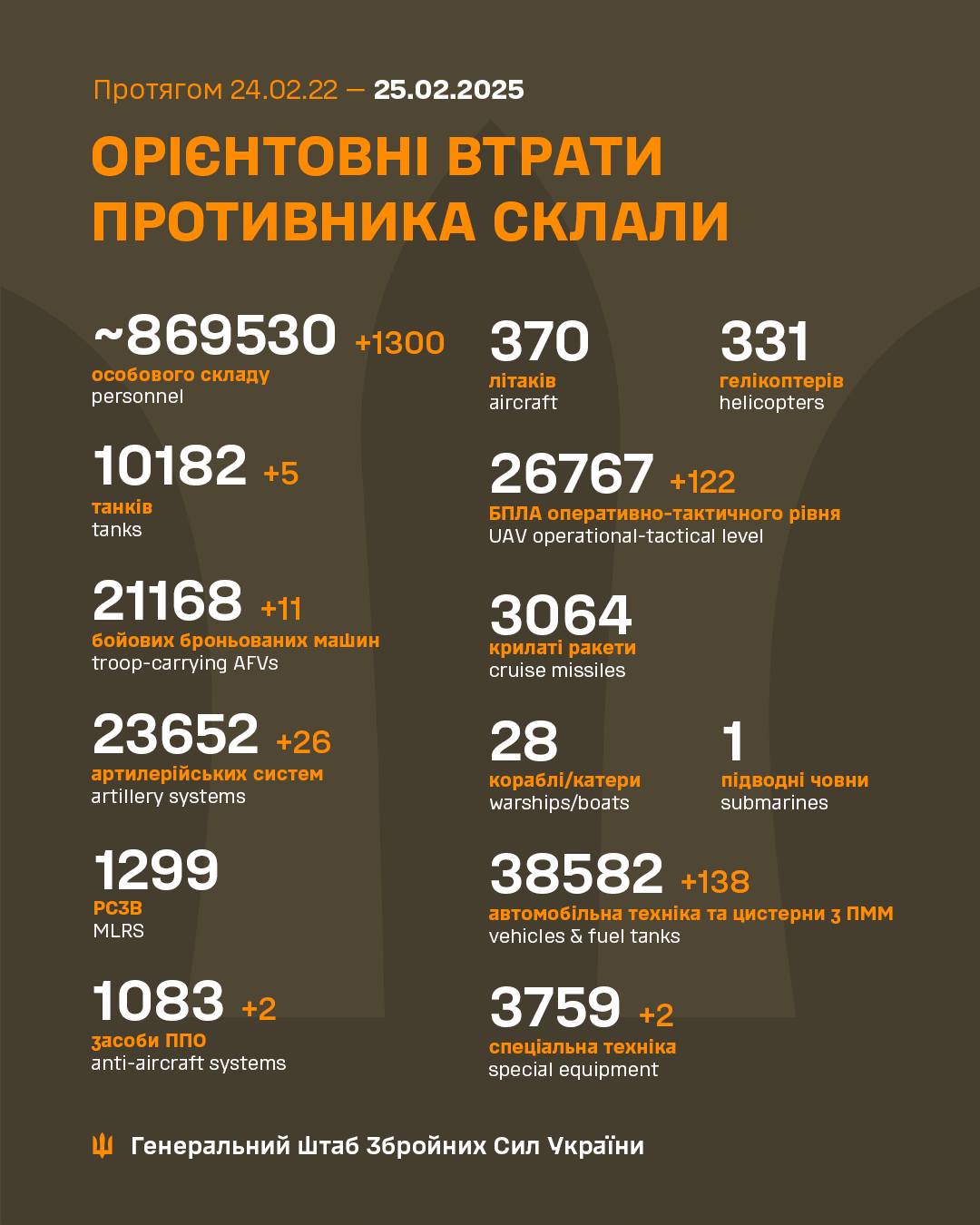
❗️Agreement signed on joint production of 🇨🇦Canadian Roshel Senator armored personnel carriers, - 🇺🇦Ukroboronprom
The Ukrainian company will receive the necessary technical documentation and components for the production of vehicles.

9
127
7
673
❗️🇺🇦Ukraine will receive 1.5 billion euros for armaments according to the "Danish model" in 2025 - Umerov, Minister of Defense of Ukraine, reported

10
321
2
2,587

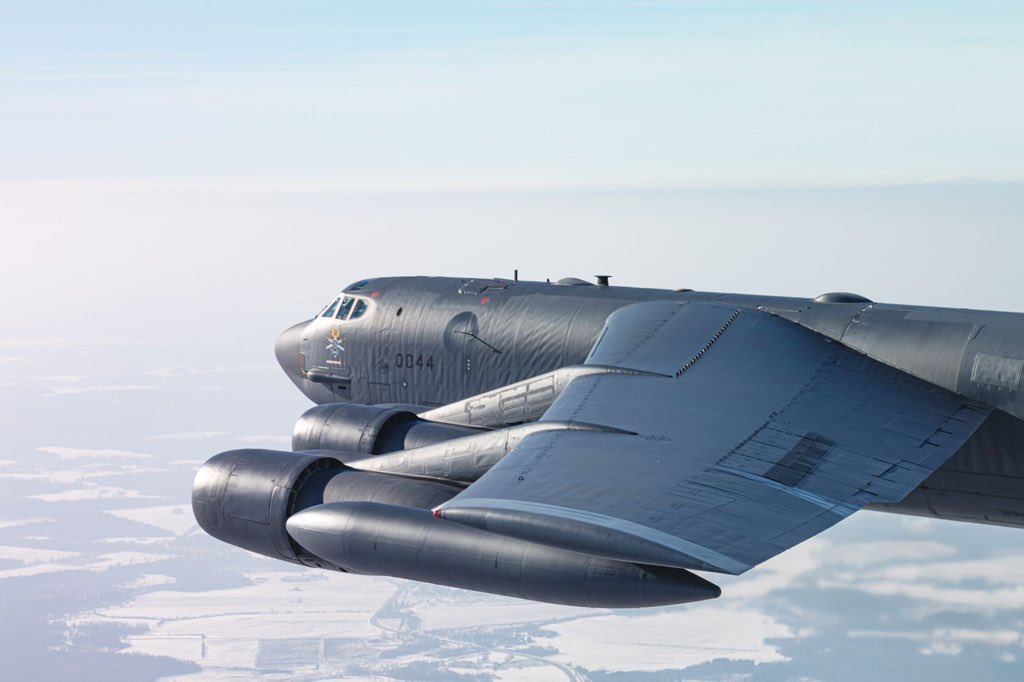

❗️Photo of yesterday's flight of the 🇺🇸American strategic bomber Boeing B-52 Stratofortress accompanied by 🇳🇱Dutch F-35A fighters and 🇫🇮Finnish F/A18s in 🇪🇪Estonia in honor of Independence Day

8
48
1
288
🔥Russian 9A83 S-300V destroyed on the Zaporizhzhia front by a heavy night bomber drone:
“Just now, on the Zaporizhzhia front, in the rear of the Russians, our guys destroyed a fat target - a rather rare launcher 9A83 S-300 V air defense missile system
After the defeat, the drone was landed in order to observe "how it burns", two Russians from the crew of the system became very interested in what flew to them, they came to look and as a bonus 2 died!”t.me/Zigun_Mangusta/19105

25
236
6
2,346
0
❗️What Moscow is willing to do to end the war in Ukraine will be a topic of future talks between the Russian Federation and the United States, Secretary of State Rubio said.
In an interview with Breitbart News, he stressed that the same question should be asked of Kiev.

52
28
8
177
⚡️The US expects that Trump's meetings with Putin and Zelensky will take place very soon, the White House said

27
22
2
97

❗️🇫🇮Finland's longest bridge, Raippaluoto, illuminated in the colors of the 🇺🇦Ukrainian flag.
📷 Rurik Ahlberg
4
213
4
1,670
❗️On February 24, 🇷🇺Russian troops launched an assault with armored vehicles, but 🇺🇦Ukrainian forces successfully repelled the attack near the outskirts of Lozova, Kupyansk direction. Joint work by the 77th Airmobile Brigade, 1st Presidential Brigade and ACHILLES Drone Regiment.

4
123
4
1,214
0

⚡️Reclaiming occupied territories possible but 'not easy' for Ukraine, Trump claims.
"You’re asking whether or not they (Ukrainians) could take back the land that they lost. And I say that yes, perhaps some of it, yes. But that’s not an easy thing to do,” Trump said on Feb. 24, during a meeting with French President Emmanuel Macron at the White House.
kyivindependent.com/reclaimi…
44
74
7
319
A Wagner terrorist claims that none of the Wagner fighters believe Putin could have killed Prigozhin, because they love both of them. They think Prigozhin is alive in Africa under a different name. 🤡

6
0
Jay in Kyiv retweeted

Norway nails it. So good to hear adults in the room rather than American bs.

402
3,303
213
17,496
0
Jay in Kyiv retweeted

This is all embarrassing. We are better than this. Moral clarity: Russian invaded its neighbor because it wanted its territory and couldn’t stand the thought of an Ukraine run by a democracy. nationalreview.com/2025/02/u…
1,617
1,642
124
9,851
Russian stock market soars as another all night missile and drone attack rains on cities all across Ukraine.

9
135
4
385
Jay in Kyiv retweeted

What is the red line for the Republican Senate at this point? Just keep voting with Trump where they have authority and complain about him on things where they don't? Bongino appt on same day as voting with Russia & North Korea on UN motion. And?

The FBI agents association sent a memo to members saying Patel agreed the deputy would be “an on-board, active Special Agent as has been the case for 117 years.” Later that day Trump announced Bongino.
thebulwark.com/p/trumpism-is…

74
565
12
2,154
Balint: I never thought I would see the day when our President would be a puppet for a dictator. To my Republican colleagues, did you ever imagine that you would be in a party that stands on the side of dictators.. Aren't you embarrassed by what you've become? It's revolting to watch my colleagues side with Russia because Trump said so.

1,150
11,401
464
44,541
0
Jay in Kyiv retweeted

Putin’s lifelong dream was to somehow separate the US from NATO. But how to break up a strong alliance that stood for 80 years and continued to expand? There really was only one way to do it, he figured it out a decade ago, and played the long game. Now his guy will do it.
351
2,246
49
10,860
Jay in Kyiv retweeted

“Down with the Russian empire”, Georgia nears 100 days of nonstop protests, with GLORY TO UKRAINE heard in the streets of Tbilisi
 Civil.ge

68
813
26
3,818
0
Jay in Kyiv retweeted

For me, one of the key symbols of February 24, 2022, is Vitalii Skakun of Ukraine's 137th Marines.
In the earliest hours of Russia's full-scale invasion, he sacrificed his life to blow up a bridge near the city of Henichesk, between occupied Crimea and mainland Ukraine, to delay the advancing Russian tank column.
He was just 25.
Remember people like Marine Vitalii Skakun.
He gave his young life out of love for his country and his people — the people whom all sorts of hellish creatures, with tongues dripping venom and souls of pitch black, dare to call a "project" and a "fake country invented by Lenin."

406
3,032
92
15,060
Anyone who thought Trump was going to allow Americans to keep their guns is very naive.
What's funny is that disarming MAGA will be the easiest part.
 🇺🇲₳₥ɆⱤł₵₳₦🇺🇲 ₵Ø₩฿ØɎ🇺🇲

1,468
1,907
250
11,555
0
Jay in Kyiv retweeted
Today’s American vote at the United Nations today— siding with tyrants and against democracies— is one of the most shocking foreign policy events of my lifetime. To the free world, I apologize.
795
3,727
145
17,883
Jay in Kyiv retweeted
The KGB recruited Trump with a hefty sum of $53 million in 1989, bailing out his failing businesses saltypolitics.substack.com/p…

3
62
2
141
⚡️Russia's Ryazan oil refinery halts operations following drone strike, Reuters reports.
Russia’s Ryazan oil refinery suspended operations after a Ukrainian drone attack set its main crude distillation unit, CDU-6, on fire, industry sources reported on Feb. 24.
kyivindependent.com/russias-…
9
105
4
553
⚡️2 killed, 6 injured in Russian attacks on Sumy Oblast.
Two people were killed, and six were injured in Russian aerial attacks on Sumy Oblast on Feb. 24.
kyivindependent.com/2-dead-6…
7
84
1
143
I understand that he is hinting at this, but only this will stop the war. He does not understand Russia now. Russia has never respected treaties in history, Russia has no honor. Trump is deceiving himself and can trap everyone if he signs something with Russia.
1
Please please. DO NOT sign the minerals deal. There is no loan agreement. If he wants minerals the the deal MUST be tied to a new arms package. Europe and NATO friends WILL deliver without this blackmail threat.
Today we have heard some outstanding speeches from NATO ally leaders. However, this one from the Danish Prime Minister Mette Frederiksen, was the one that spoke to me for sure.
I think it’s time to stop pretending to ourselves that the U.S. is anything but an impediment to solving this existential threat, to the welfare and safety of all our citizens.
Let me quote Sun Tzu's The Art of War. ‘All warfare is based on deception’ and for sure, Putin has waged a war of deception. He projected the historical power of the mighty Red army in a bid to quickly overrun Ukraine. He attempted to do it with untrained poorly equipped troops, on out of date rations.
Putin rolled the dice thinking NATO would not commit troops to help defend Ukraine and he was right. What he didn’t plan for, was the lion spirit of the Ukrainian people and the ingenuity of their military engineers. Their work with drones and sea drones has redefined battlefield strategy. Once allies started providing javelin anti-tank missiles and supporting artillery, the game changed. They prevented the Russians from achieving air superiority? And the Russian Black Sea Fleet had to retreat from port.
It is testament to the Ukrainian army and air force, Russia has been held back against all the odds. Let’s be clear, the military has achieved what it has, not because of us, but in-spite of us. We have only given them enough weapons to hold the bear back, not to evict it. There were constant delays, waiting on artillery shells, HIMARS and ATACMS, as well as tanks and F16s.
WE HAVE LET THEM DOWN. Yet these brave men and women have innovated and made do, to defend not only their country, but our borders too. WE OWE THEM BIG TIME. Not with words and sympathy, but with the proper tools to get the job done.
America has disgracefully walked away and aligned with our enemy. The U.S. president’s pet, Elon Musk along with JD Vance, have meanwhile actively supported far right political parties in Europe. Then Vance had the audacity to turn up and lecture us on our own doorstep. What was our answer? ‘Please don’t hurt us’.
This week, we see a slow procession of European leaders making the pilgrimage to the court of Mad King Don for a humiliation session. Pardon my French but ‘f*ck that’, it’s time to stand tall and tell Trump to ‘f*ck right off’ and if it were me. I’d tell him to take his airbases with him too and cancel all military arms contracts.
If he wants access to Ukrainian minerals that’s fine. Ukraine HAS NO DEBT with the U.S. They simply have the thanks of a grateful nation. There was no loan agreement. If he wants mineral rights, then provide an arms package as a down payment for future revenues. Leave the deal on the table for a week and if it’s not signed, pull the deal. Then they get nothing and in addition, no bids will be accepted from US companies for the reconstruction of Ukraine after the war. Now that’s the art of the deal.
As for NATO allies, Trump is walking away regardless, so Europe needs to get its act together NOW. Seize Russian assets and use the funds to fire up the European military industrial base. This will create jobs and growth, while capacity is expanded in all countries with an arms manufacturing capability.
In the meantime, we already have the ability, especially if Poland steps up, to defend against any increased Russian aggression. The British military has already said, if it were needed, we would meet that threat head on today. If this collective approach is taken, the Russian army in Ukraine could be crushed just as crushed the Iraqi army in Desert Storm.
It’s time to show the Americans their services are no longer required. Then when the war is over, we can look to promote the Euro as the new global reserve currency. No harm in ambition I say.
We need to believe in ourselves. It’s time to get the job done and show the world FAFO. There’s only one village idiot in this town and it’s not Zelenskyy.
I rest my case.
6
18
2
105
𝔗𝔯𝔲𝔱𝔥 𝔐𝔞𝔱𝔱𝔢𝔯𝔰 retweeted

You know why this stabbing got so much coverage all over Europe?
Because we don’t have daily shootings at schools with hundreds of innocent children as victims every year to numb our minds down 💁🏼♂️
1
6
40
The Missiles We Gave Away Are Now Striking Our Cities
Imagine this: you have a violent neighbor who has already broken into your home once—murdering, raping, and stealing everything he could. You know you could fight back because you have weapons to defend yourself.
But then, your other neighbors—the ones you considered friends—come to you and say:
"Give up your weapons, and we guarantee this murderer will never return."
You agree. You trust them. You hand over your weapons.
And a few years later, the murderer returns.
But this time, he doesn’t just break in—he shoots at your house with the very weapons you once handed over, believing they would keep you safe.
This is not a metaphor. This is not a hypothetical scenario. This is the Budapest Memorandum.
The missiles that are striking cities across Ukraine today are the same warheads Ukraine gave to Russia in exchange for so-called "security guarantees." The aircraft from which Russia launches missile strikes on our cities are the same Ukrainian planes that should have been protecting our skies, but we were forced to hand them over to Russia.
🚀 What Do Daily Bombardments Feel Like?
📢 For some, it's just statistics:
✔️"Russia launched 185 Shahed drones at Ukraine; 75 were intercepted by air defense."
✔️"A missile strike on a residential area—10 dead, 23 injured."
✔️"At night, aviation was active again—Kh-101 and Kh-555 missiles were launched."
For some, it's just another headline in their news feed.
For us, it’s the reality we live in every single day.
⚠ It’s the basement where you sit in darkness, listening to the ominous buzz of an approaching Shahed drone.
⚠ It’s the home that no longer belongs to you—because it no longer exists.
⚠ It’s the phone call in the middle of the night, after which you have no one left to call.
And the worst part isn’t even the explosions.
The worst part is the sounds.
🔻 The sharp, deafening explosion that rips through the night, shaking your very bones.
🔻 The wail of an air raid siren—once terrifying, now just another background noise in daily life.
🔻 The terrifying roar of a missile flying over your city.
Have we gotten used to it? No.
But we’ve learned to live between explosions.
We study, we work, we go to grocery stores, we even go to the gym. But when the air raid siren wails—everything stops.
💣 Why Can’t We Just Surrender?
We are not the ones who are tired. The West is tired—often even openly angry that we refuse to just die quietly so they can stop hearing about us in the news.
People in Europe and the U.S. are more exhausted from this war than the Ukrainian soldiers freezing in trenches.
The West asks us: "How much longer will this go on?"
But this is the wrong question.
They should be asking Russia.
Because what do these bombings mean?
🔥 Russia proves every day that it cannot be stopped by "negotiations."
🔥 Russia shows every day that its "peace terms" are just the next stage of genocide.
🔥 Russia reminds us daily that it will never forgive us for the crime of existing.
And if the West truly wanted peace, they wouldn’t be asking us when we’ll be "ready for compromise."
They would be asking themselves:
"When will we stop being afraid and start acting?"
⚔ What Must Be Done?
💥 We must reclaim what is ours.
💥 We must receive weapons that destroy these missiles before they ever leave enemy territory.
💥 We must make the world understand that Russia’s impunity will only end when Russia itself ends.
This is not just a war for our land.
This is a war for a future where missiles no longer fall on sleeping cities.
And as long as they keep falling—we do not have the right to remain silent.
⚠ There Are Only Two Options: Victory or Death
Negotiations can have only two forms:
✅ If they are tough demands and pressure on Russia—this may lead to victory.
❌ If they are "compromises"—it means death.
And not just our death.
It means the future death of the U.S. and Europe.
And when we are gone, only then will they realize what it means to live without the shield that once stood between Russia and the civilized world.
Only then will they understand us.
But by then, it will be too late.
Because the war will have already reached their lands.
#RussiaUkraineWar #Russia #Ukraine #UkraineWar #Ukraina #Trump2025

4
13
1
38
Today we have heard some outstanding speeches from NATO ally leaders. However, this one from the Danish Prime Minister Mette Frederiksen, was the one that spoke to me for sure.
I think it’s time to stop pretending to ourselves that the U.S. is anything but an impediment to solving this existential threat, to the welfare and safety of all our citizens.
Let me quote Sun Tzu's The Art of War. ‘All warfare is based on deception’ and for sure, Putin has waged a war of deception. He projected the historical power of the mighty Red army in a bid to quickly overrun Ukraine. He attempted to do it with untrained poorly equipped troops, on out of date rations.
Putin rolled the dice thinking NATO would not commit troops to help defend Ukraine and he was right. What he didn’t plan for, was the lion spirit of the Ukrainian people and the ingenuity of their military engineers. Their work with drones and sea drones has redefined battlefield strategy. Once allies started providing javelin anti-tank missiles and supporting artillery, the game changed. They prevented the Russians from achieving air superiority? And the Russian Black Sea Fleet had to retreat from port.
It is testament to the Ukrainian army and air force, Russia has been held back against all the odds. Let’s be clear, the military has achieved what it has, not because of us, but in-spite of us. We have only given them enough weapons to hold the bear back, not to evict it. There were constant delays, waiting on artillery shells, HIMARS and ATACMS, as well as tanks and F16s.
WE HAVE LET THEM DOWN. Yet these brave men and women have innovated and made do, to defend not only their country, but our borders too. WE OWE THEM BIG TIME. Not with words and sympathy, but with the proper tools to get the job done.
America has disgracefully walked away and aligned with our enemy. The U.S. president’s pet, Elon Musk along with JD Vance, have meanwhile actively supported far right political parties in Europe. Then Vance had the audacity to turn up and lecture us on our own doorstep. What was our answer? ‘Please don’t hurt us’.
This week, we see a slow procession of European leaders making the pilgrimage to the court of Mad King Don for a humiliation session. Pardon my French but ‘f*ck that’, it’s time to stand tall and tell Trump to ‘f*ck right off’ and if it were me. I’d tell him to take his airbases with him too and cancel all military arms contracts.
If he wants access to Ukrainian minerals that’s fine. Ukraine HAS NO DEBT with the U.S. They simply have the thanks of a grateful nation. There was no loan agreement. If he wants mineral rights, then provide an arms package as a down payment for future revenues. Leave the deal on the table for a week and if it’s not signed, pull the deal. Then they get nothing and in addition, no bids will be accepted from US companies for the reconstruction of Ukraine after the war. Now that’s the art of the deal.
As for NATO allies, Trump is walking away regardless, so Europe needs to get its act together NOW. Seize Russian assets and use the funds to fire up the European military industrial base. This will create jobs and growth, while capacity is expanded in all countries with an arms manufacturing capability.
In the meantime, we already have the ability, especially if Poland steps up, to defend against any increased Russian aggression. The British military has already said, if it were needed, we would meet that threat head on today. If this collective approach is taken, the Russian army in Ukraine could be crushed just as crushed the Iraqi army in Desert Storm.
It’s time to show the Americans their services are no longer required. Then when the war is over, we can look to promote the Euro as the new global reserve currency. No harm in ambition I say.
We need to believe in ourselves. It’s time to get the job done and show the world FAFO. There’s only one village idiot in this town and it’s not Zelenskyy.
I rest my case.
1,220
8,100
736
24,649
0
⚡️'Peace must not mean a surrender of Ukraine,' Macron says following Trump visit.
French President Emmanuel Macron on Feb. 24 called for a long-lasting peace in Ukraine that would not mean a "surrender of Ukraine."
kyivindependent.com/peace-mu…
27
291
5
1,665
Earlier, Russian media reported allegations of atrocities committed by Ukrainian troops against civilians in the Kursk region.
13
16
64
⚡️Ukraine, Russia reach a deal to evacuate Kursk Oblast residents, Russian official claims.
Ukraine and Russia have agreed to evacuate residents of Kursk Oblast through Belarus to other parts of the country, a Russian official claimed on Feb. 24.
kyivindependent.com/ukraine-…
13
56
1
171
Trump’s Dangerous Trust in Russia: Falling into the Kremlin’s Trap Again
"Russia wants peace." These are the words Donald Trump keeps repeating, trying to present himself as the great dealmaker who will "end the war in 24 hours."
But while he speaks of Russia’s supposed willingness for peace, Russian bombers are already in the sky, carrying missiles to strike Ukrainian cities.
How can you trust the "peaceful intentions" of those who are bombing civilians at this very moment?
How can anyone see Russia as an honest negotiator when it has never honored a single peace agreement in history?
This isn’t just naïveté—it’s a dangerous repetition of past mistakes that the world has already paid dearly for.
🚨 Russia Doesn’t Want Peace. It Wants Victory.
Let’s be honest:
➤ When Russia says "peace," it means Ukrainian capitulation.
➤ When Russia says "ceasefire," it means a temporary pause to prepare for the next war.
➤ When Russia says "agreement," it means an agreement it will break the moment it becomes inconvenient.
Russia has shown time and time again that its diplomacy is not about negotiation but deception and manipulation.
🔻 Example 1: The Minsk Agreements
✔ Signed after Russia’s invasion in 2014, but never respected by Moscow.
🔻 Example 2: The Budapest Memorandum
✔ Russia guaranteed Ukraine’s security in exchange for nuclear disarmament—only to become the first country to attack it.
🔻 Example 3: The 2022 Istanbul Negotiations
✔ Russia promised to withdraw troops—but instead, launched new strikes on Kyiv.
And now, Trump wants to "make a deal" with Russia, believing that he alone can persuade Putin to stop.
But there’s one fact Trump refuses to acknowledge:
Russia only respects strength. It does not negotiate with those who surrender—it destroys them.
❓ Why Does Trump Repeat Kremlin Talking Points?
Is Trump really so naïve that he doesn’t see what’s happening? Or is he just saying what his voter base wants to hear?
There are several possible explanations:
1️⃣ He wants to portray himself as a "master negotiator."
💬 But the problem is that the Kremlin never negotiates in good faith.
2️⃣ He doesn’t want to spend U.S. resources on war.
💬 But if Ukraine loses, the U.S. will have to spend far more stopping Russia on NATO’s borders.
3️⃣ He repeats Russian propaganda because his inner circle is filled with people who have pro-Russian interests.
💬 Many so-called "Republican peace advocates" are actually Kremlin lobbyists inside the U.S.
⚠️ Trusting Russia Is a Deadly Trap
📢 Everyone who believes in Russia’s "peaceful intentions" eventually becomes its next victim.
✖ In 1939, Hitler convinced the world he had no more territorial ambitions. A year later, Europe was in flames.
✖ In 2014, the West believed Russia would stop after annexing Crimea. Eight years later, it launched a full-scale war.
✖ In 2022, Russia claimed it wanted to "negotiate" with Ukraine—while sending more troops into battle.
If anyone still thinks they can "strike a deal" with Russia, just look at Kyiv, Kharkiv, and Odesa.
Look at the missiles falling on Ukraine right now.
🛡️ The Only Path to Peace Is Through Russia’s Defeat
There is no "compromise" that will stop an aggressor.
There are only two possible outcomes:
✅ A Ukrainian victory—bringing real peace and security to Europe.
❌ A Ukrainian defeat—leading to more wars as Russia learns it can get away with anything.
Trump can talk about "peace."
Putin can make empty promises.
But as long as Russian bombers are in the sky, this is not peace. This is war.
And the only way to end it is to ensure that Russia never has the power to start another one.
#RussiaUkraineWar #UkraineWar #Ukraine @realDonaldTrump @POTUS

9
15
1
50